


 From Amsterdam to Naples, via Zurich, Leipzig, Stuttgart and Magdeburg, the European Baroque scene celebrates its leading figures and emerging talents. From the rediscovery of composers such as Barbara Strozzi to major festivals devoted to Bach or Telemann, and notable interpretations of Handel.
  By
By 


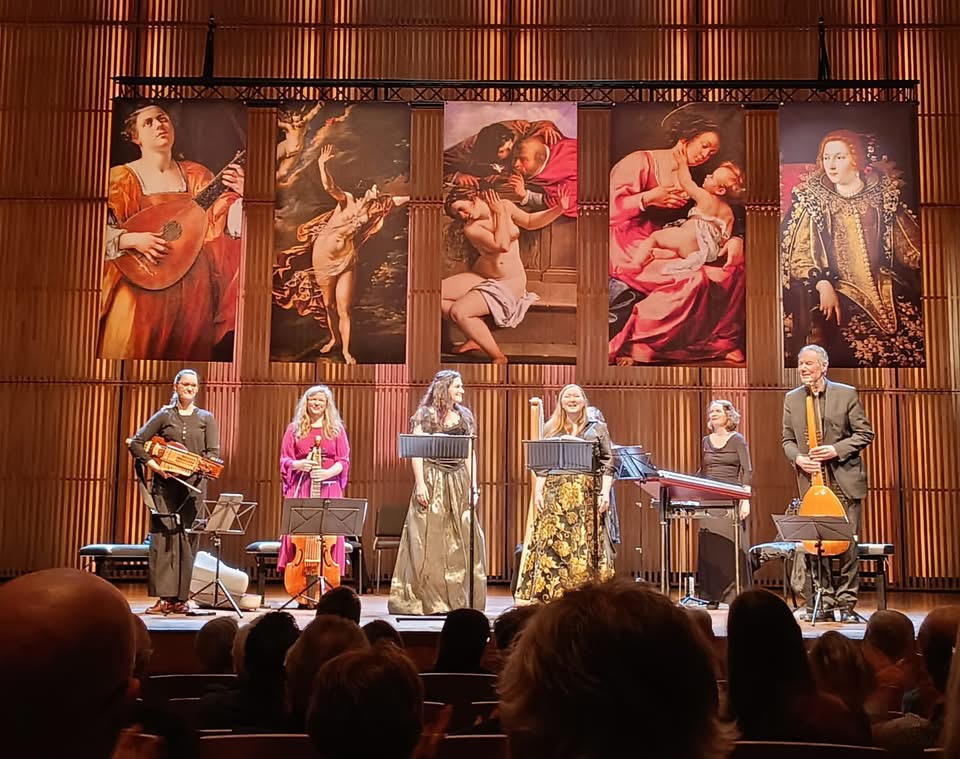
Barbara Strozzi and Hathor Consort in Amsterdam
Hathor Consort, directed by Romina Lischka, has brought the composer Barbara Strozzi into the spotlight as part of a tour in the Netherlands, including Amsterdam, Utrecht and Maastricht. In Venice around 1650, Barbara Strozzi defied all conventions: without any financial backing, this virtuoso singer forged her way towards a distinguished career as a composer. Her secret weapon: exquisite melodies, which she published herself. Hathor Consort thus presented a five-act portrait, notably featuring the soprano voices of Dorothee Mields and Hana Blažíková.
With Dorothée Mields, Hana Blažíková, the Hathor Consort and Romina Lischka.
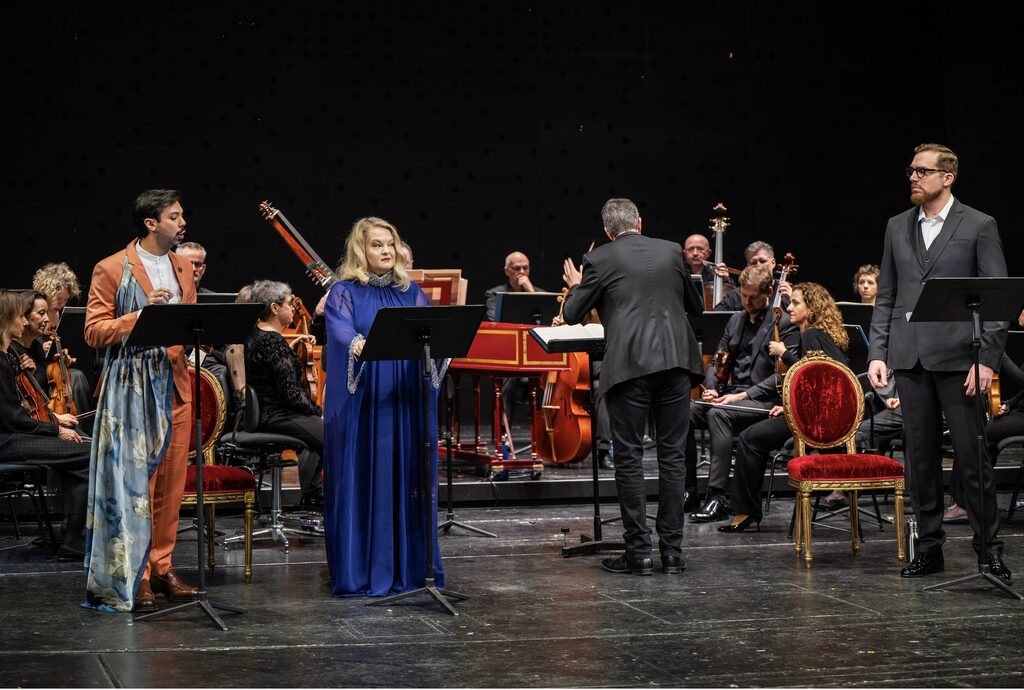
Handel and Philippe Jaroussky at Zürich Barock
Bruno de Sá (Aci), Elizabeth DeShong (Galatea), Nicolas Brooymans (Polifemo) and the Orchestra La Scintilla, conducted for the first time by Philippe Jaroussky, opened the first “Zürich Baroque” festival at the city’s opera house. The musical discoveries of this miniature opera, Acis, Galatea e Polifemo, written by Handel at the age of 23, delighted audiences. The festival continues until 29 March with a highly anticipated new production: Scylla et Glaucus by Jean-Marie Leclair, staged by Claus Guth with Le Concert d’Astrée conducted by Emmanuelle Haïm.
With Bruno de Sá, Elizabeth DeShong, Nicolas Brooymans, La Scintilla and Philippe Jaroussky.
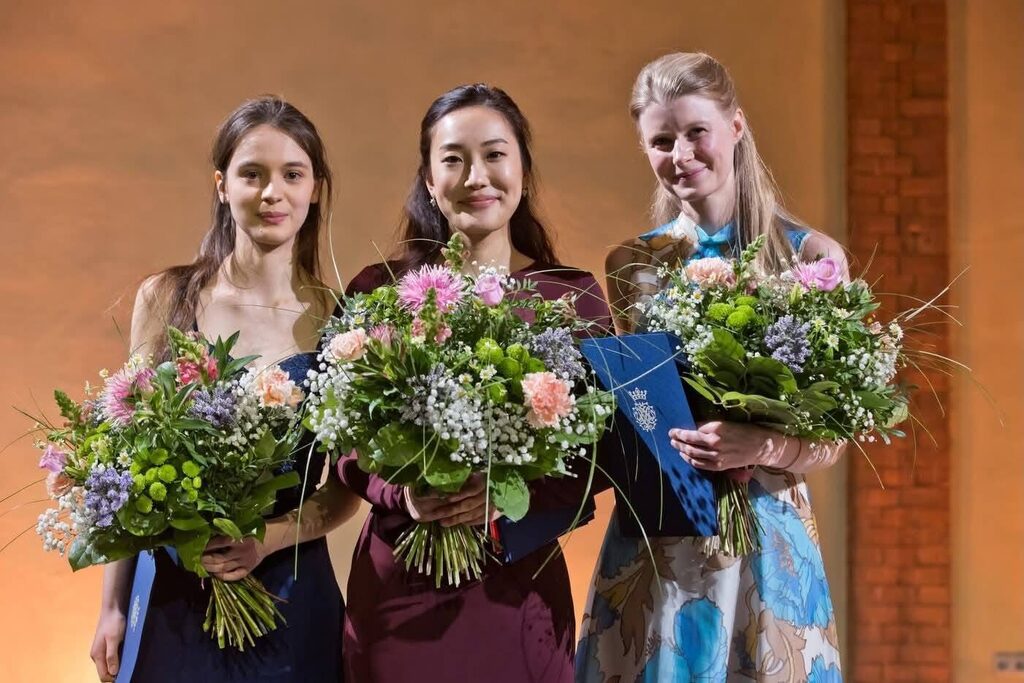
The winners of the 26th Leipzig Bach Competition
Miha Zhu, 29 (Germany), Céleste Klingelschmitt, 23 (France), and Cosima Soulez-Larivière, 29 (the Netherlands), are the three laureates of the 26th Leipzig Bach Competition, which concluded on 21 March, the 341st anniversary of Johann Sebastian Bach’s birth. The jury, comprising violinists from 14 countries, was chaired by Reinhard Goebel.
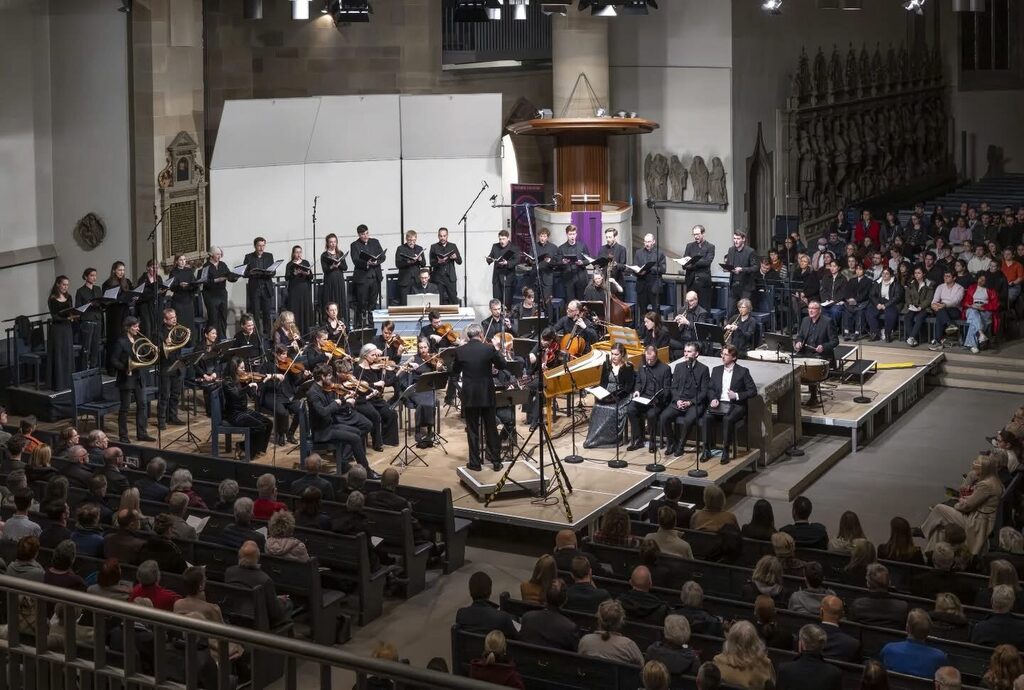
Heinichen and Zelenka open the Stuttgart Bach Festival
The Gaechinger Cantorey, conducted by Hans-Christoph Rademann, opened the second Stuttgart Bach Festival at the Stiftskirche with the sumptuous sacred music of Bach’s colleagues at the Dresden court: Mass No. 12 by Johann David Heinichen and the Missa dei Filii by Jan Dismas Zelenka, composed for the Catholic court of the Electors of Saxony. These two Masses inaugurated a broader cycle for the festival, devoted to the Leipzig Kantor’s Latin Mass settings, from the Kyrie–Gloria Masses to the Mass in B minor.
With the Gaechinger Cantorey and Hans-Christoph Rademann.
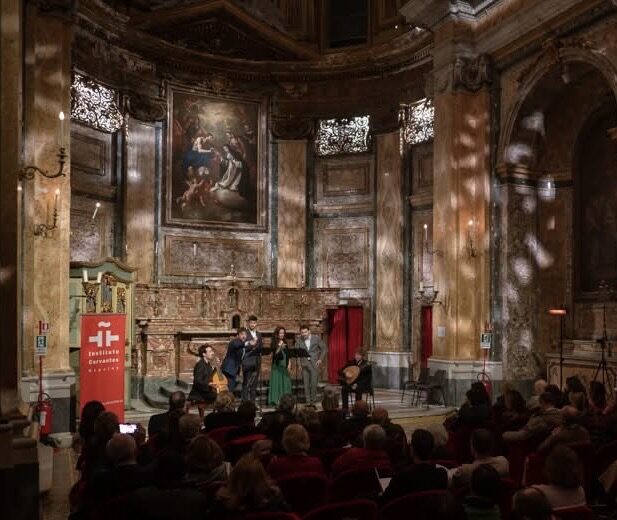
Mencía de Mendoza and Cantoría in Naples
At the Church of Santa Catarina da Siena in Naples, the Spanish ensemble Cantoría, directed by Jorge Losana, presented a recital devoted to Mencía de Mendoza, Duchess of Calabria (1508–1554), wife of Duke Ferdinand of Calabria, renowned for his patronage of the arts and literature. She was one of the most prominent figures of the Hispanic Renaissance, as well as a key transmitter of Naples’s cultural heritage. The concert was organised by the Cervantes Institute of Naples, in collaboration with the Fondazione Pietà dei Turchini and the cultural office of the Spanish Embassy.
With the ensemble Cantoría.
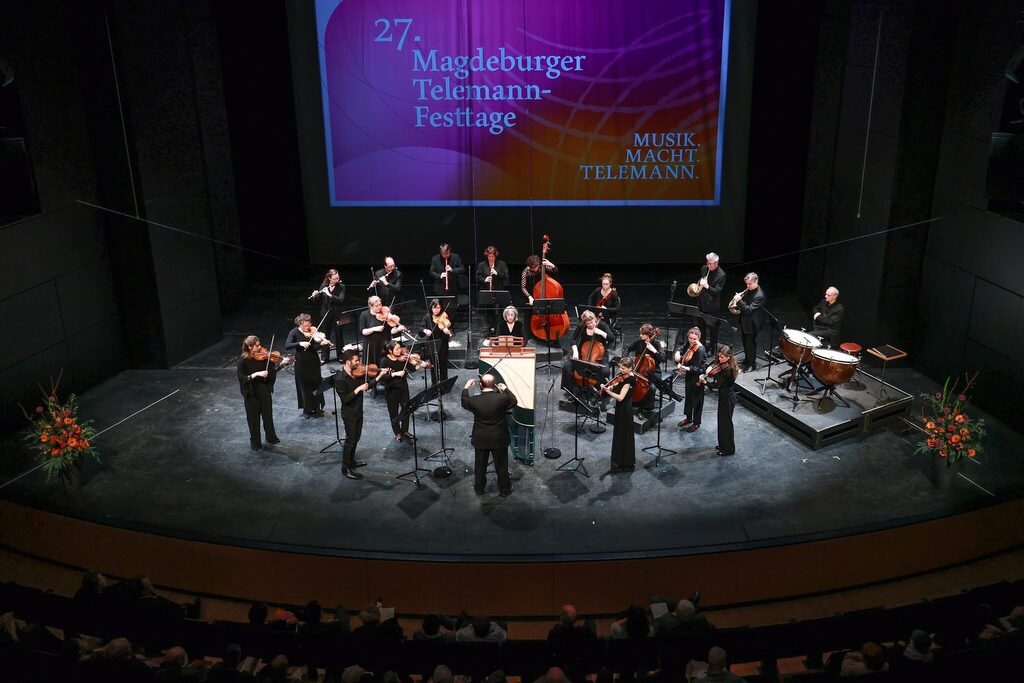
Telemann and Il Gardellino in Magdeburg
The ensemble Il Gardellino, under the direction of Peter Van Heyghen, opened the 2026 Telemann Days in Magdeburg with a spirited concert, notably featuring two late overtures by Georg Philipp Telemann, remarkable for their subversive humour: the Hamburger Admiralitätsmusik and the overture suite for Landgrave Ludwig VII, complemented by large-scale orchestral works written for the Dresden court chapel and drawn from the collection Tafelmusik. This programme offered a glimpse of the creative freedom that characterised Telemann well into his later years.
With the ensemble Il Gardellino.

You must be logged in to be able to post comments.
Sign in