


 With its programme Sucreries, the ensemble Alkymia, conducted by Mariana Delgadillo-Espinoza, delves into the baroque treasures of the New World, where memory, dance and mixed heritages intertwine.
  By
By 


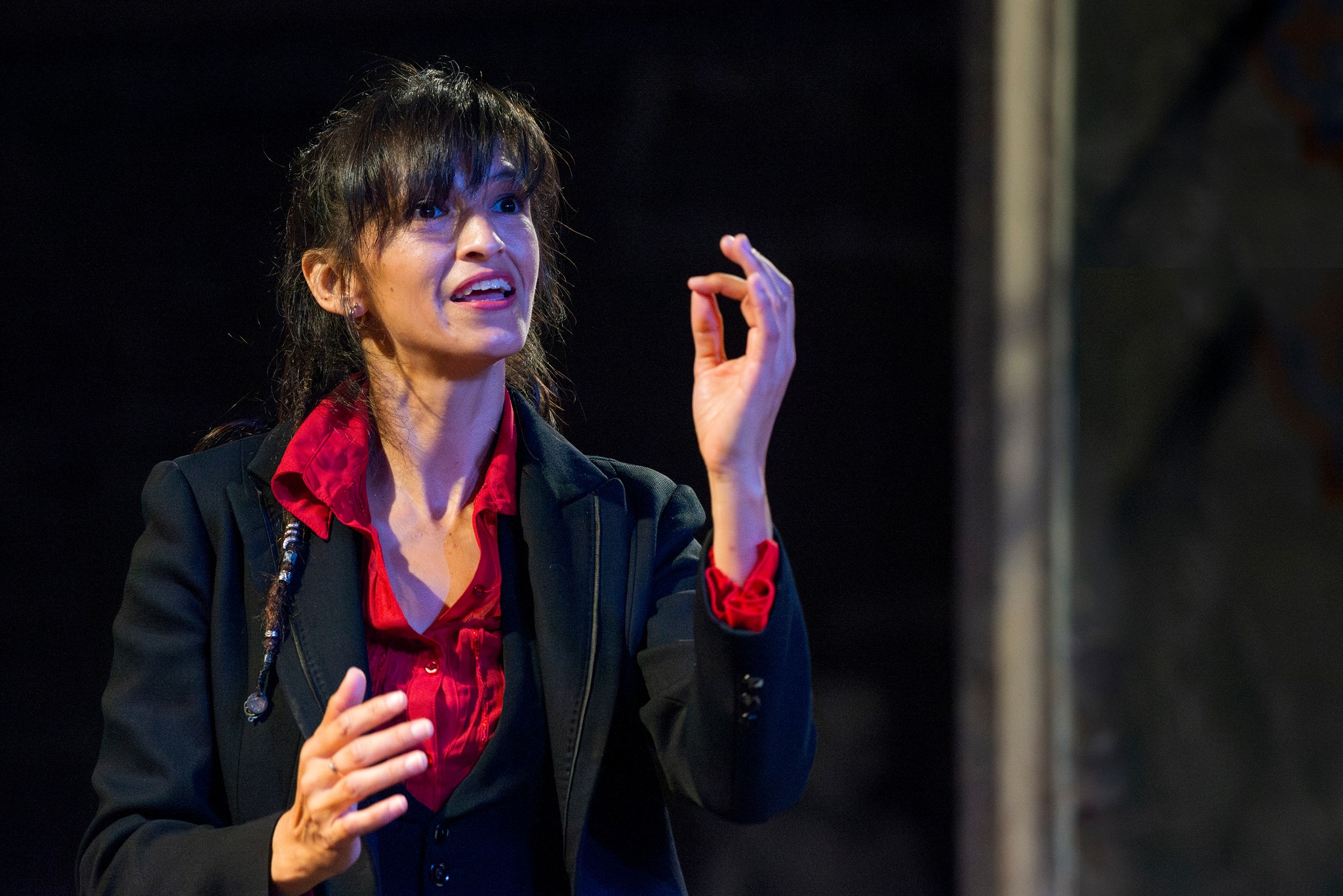
Choir director and founder of the ensemble Alkymia, Mariana Delgadillo Espinoza has been exploring for over a decade the links between early music, popular traditions and contemporary creation. With Sucreries (Y Se Va la Segunda!), recorded on Oktav Records and released in March 2025, she shines a light on the baroque treasures preserved in the archives of Sucre, Bolivia, revealing a heritage of striking vitality. An encounter at the crossroads of projects.
Could you tell us about your background?
Mariana Delgadillo Espinoza: I was born in Bolivia. At seven, I began dancing, often traditional dances at village festivals. Later, I studied piano and guitar through high school. I then won a scholarship to continue piano in Havana. When I came to France, I discovered choral conducting at the Conservatoire in Lyon and immersed myself in early music. It was love at first sight!
Alkymia, which you founded in 2014, takes an unusual approach: you perform both contemporary and popular music on period instruments. Where did that idea come from?
M. D. E.: It began with a simple observation: the audience for early music is growing, while contemporary music reaches far fewer listeners. With Alkymia, we thought we could use the “early music” label as a gateway to explore contemporary repertoires that are rarely heard. It’s a way of rediscovering the old while introducing the new. But we’re not aiming for a specifically “contemporary” aesthetic.
So what are you aiming for?
M. D. E.: For example, I think of one of our projects based on three commissions for three different composers: Daniel Alvarado, Sirah Martinez, and Bertrand Plé. We asked them to work respectively on medieval, Renaissance, and seventeenth-century music, with guidelines specifying what we found most compelling in each repertoire. I knew that for Bertrand Plé, who worked on the Baroque, the rhetoric of the word was crucial. For Sirah Martinez, who approached Renaissance-style music, counterpoint was central. It’s within this half-research, half-experiment framework that we feel most inspired to perform early music while letting it interact with a contemporary repertoire.


Passionate about early music and want to read this subscriber-only article?
If you are not a subscriber, join the international Total Baroque community. Subscribe here from 5.00€.
I subscribe
If you are already a subscriber, sign in.
I sign in 


You must be logged in to be able to post comments.
Sign in