


 Cavalli, Monteverdi, Purcell: three operas, a recital of Handel and Ferrandini with Roberta Mameli, and two children’s concerts. The Akademie für Alte Musik Berlin takes up residence at the Staatsoper Unter den Linden for a busy November featuring some fifteen performances, before heading to the Montreal International Bach Festival for two concerts. Yet this impressive schedule does nothing to diminish the ensemble’s rigour or collaborative approach, says Bernhard Forck, the ensemble’s concertmaster for more than 40 years.
 By
 10 minutes


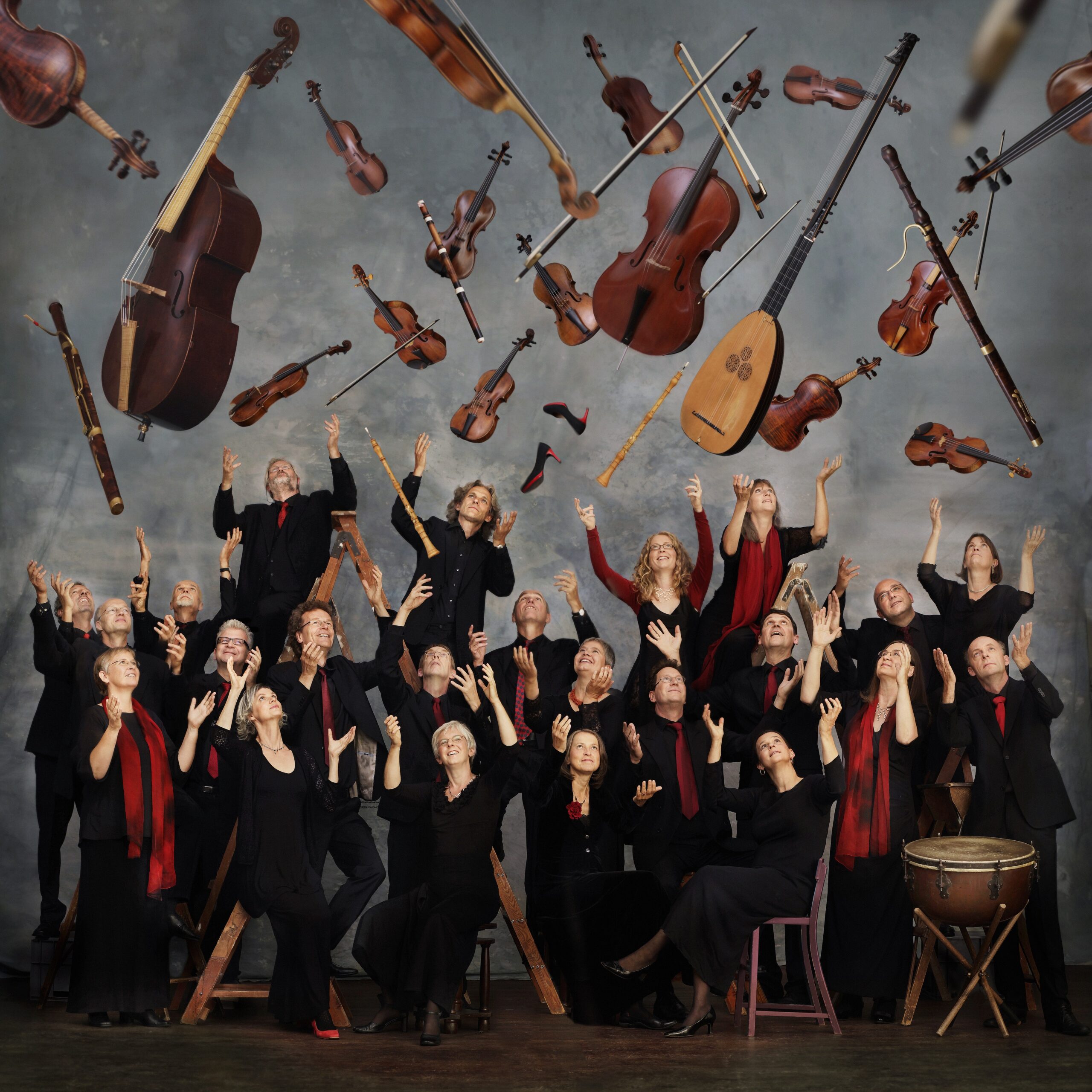
Cavalli’s La Calisto, Monteverdi’s L’incoronazione di Poppea, and Purcell’s Dido and Aeneas: this November, the Akademie für Alte Musik Berlin (Akamus, founded in 1982) will take up residence at the Staatsoper Unter den Linden for the return of the Barocktage (Baroque Days). The ensemble will reunite with Vera-Lotte Boecker, as well as Christina Pluhar and L’Arpeggiata for Cavalli, before turning to Purcell’s masterpiece in Sasha Waltz‘s production. This packed schedule also reflects the identity of an orchestra that, for more than forty years, has been driven by encounters and research. Concertmaster (first violin) Bernhard Forck champions an approach to early music that goes beyond revisiting tried-and-tested successes. From Carl Philipp Emanuel Bach to Beethoven, from the rediscovery of Emilie Mayer to Telemann’s still-unexplored manuscripts, Akamus embraces the freedom to follow its curiosity, even when that means venturing into the music of Mendelssohn, Richard Strauss, or, in the future, Benda’s melodramas.
This November looks like it will be particularly busy for you. About fifteen performances, including three opera productions at the Staatsoper, concerts, and then a tour in Canada… Is this an exceptional situation?
Bernhard Forck: Yes, this year is a little unusual, particularly because the Staatsoper’s Baroque Days are returning, which naturally makes us very happy. For a while, their future was uncertain following Matthias Schulz’s departure for Zurich Opera. When the new director, Elisabeth Sobotka, arrived, she was keen to revive the event in November, and fortunately things have now become clearer. Originally, the Baroque Days also arose from a particular situation at the opera house: its orchestra, the Staatskapelle, regularly went on international tours with Daniel Barenboim, making it the ideal time to welcome a Baroque ensemble. With Christian Thielemann taking over as music director, we didn’t know whether this arrangement would continue. But the Baroque Days are now back, and their future seems secure. So this year, we’re taking part in three productions, including the revival of Dido and Aeneas. This production, created with Sasha Waltz, has been touring the world for many years and continues to enjoy tremendous success. We’ll also perform in Cavalli’s La Calisto, with Christina Pluhar and L’Arpeggiata, followed by a revival of L’incoronazione di Poppea. On top of that, there’s a concert with Roberta Mameli at the Staatsoper’s Apollosaal and, something particularly close to my heart, children’s concerts, also at the Staatsoper. That’s certainly a lot for one November! And immediately afterwards, we’ll head to Montreal, Canada, before touring with the RIAS Kammerchor in December with Handel’s Messiah. So it’s going to be an extremely busy period. Fortunately, our schedule isn’t always quite so packed. Sometimes all the projects simply happen to fall within a few weeks.
How did your ensemble come to be known by the nickname Akamus?
B. F.: It always makes me smile to see “Akamus” everywhere on posters these days. It’s practically become our official name, whereas originally it was just an abbreviation and a nickname we used among ourselves, almost as a joke.
This revival of Dido and Aeneas reminds us that Akamus began exploring ways to move beyond the traditional concert format very early on—as far back as 2005 for this production. How did your collaboration with Sasha Waltz and the world of dance come about?
B. F.: Things happen very differently from one project to another. Sometimes, innovation simply stems from a chance encounter. That’s exactly what happened with Sasha Waltz. In Berlin, we were all involved in one way or another in the Radialsystem project, with Jochen Sandig [a venue created to break down barriers between artistic disciplines, science, and social debate, closely associated with the dance company Sasha Waltz & Guests, founded in 1993]. So the idea of doing something together came quite naturally. Sasha was deeply interested in music, and for her, bringing dance and an instrumental ensemble together opened up particularly exciting possibilities. Since the Dido and Aeneas production was such a success, we then developped Medea in collaboration with the contemporary composer Pascal Dusapin. Initially, we had even considered Cherubini’s Médée, before deciding to pursue something else. But innovation doesn’t always come from a chance encounter. It can also be the result of much more extensive research. Sometimes we spend months examining manuscripts by forgotten Berlin composers, asking ourselves which works deserve to be rediscovered and how we might build a programme around them. We’re passionate about this kind of work, but of course another question immediately arises: how do you attract an audience when there isn’t a single famous name on the poster?
Passionate about early music and want to read this subscriber-only article?
If you are not a subscriber, join the international Total Baroque community. Subscribe here from 5.00€.
I subscribe
If you are already a subscriber, sign in.
I sign in 

You must be logged in to be able to post comments.
Sign in