


 What if Monteverdi had festival-goers waving their lighters at Coachella? Classical music found its way there in 2025 — should baroque and early music follow suit?
  By
By 


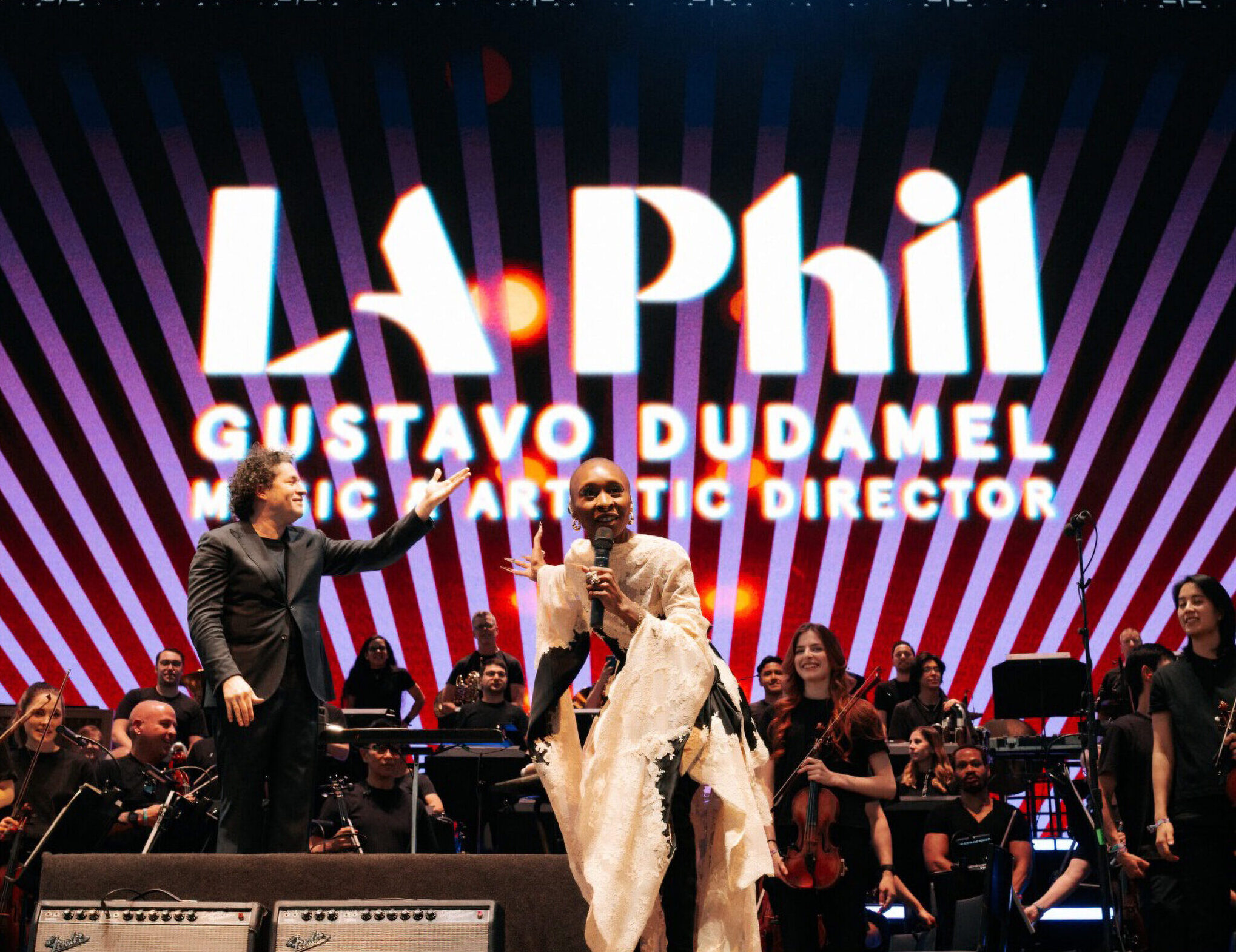
This isn’t fake news: Gustavo Dudamel and the Los Angeles Philharmonic really did share the bill during the opening weekend of one of the world’s biggest pop festivals —Coachella, in the California desert. The aim? To offer a fresh point of entry into classical music. Should we now imagine a similar future for baroque and early music?
On 11 April, as the sun set over the first weekend of Coachella, Gustavo Dudamel and the LA Phil gave a remarkable concert, blending classical works —including Beethoven’s Fifth Symphony— with film music, such as excerpts from Star Wars. The Venezuelan conductor also invited several guest artists to the stage, including country singer Maren Morris and Icelandic jazz-pop rising star Laufey. He declared, adding that this approach felt entirely natural to him:
For me, the mission of art is to convey identity — that of a new generation in search of beauty!
For Johanna Rees, Vice President of Productions at the Los Angeles Philharmonic, this cross-genre experience is an ideal way to introduce younger audiences to classical music:
If you give these new listeners the chance to hear an orchestra for the first time, many will return of their own accord to explore more.
Dudamel also pointed out that for many Coachella-goers, it was likely their first-ever encounter with a symphony orchestra. He reprised the programme the following weekend, and the concert was streamed live on YouTube. While some classical purists see this as a dilution of the genre, Johanna Rees insists it’s not about diminishing the music, but simply offering a different way of listening. Another version, you might say.
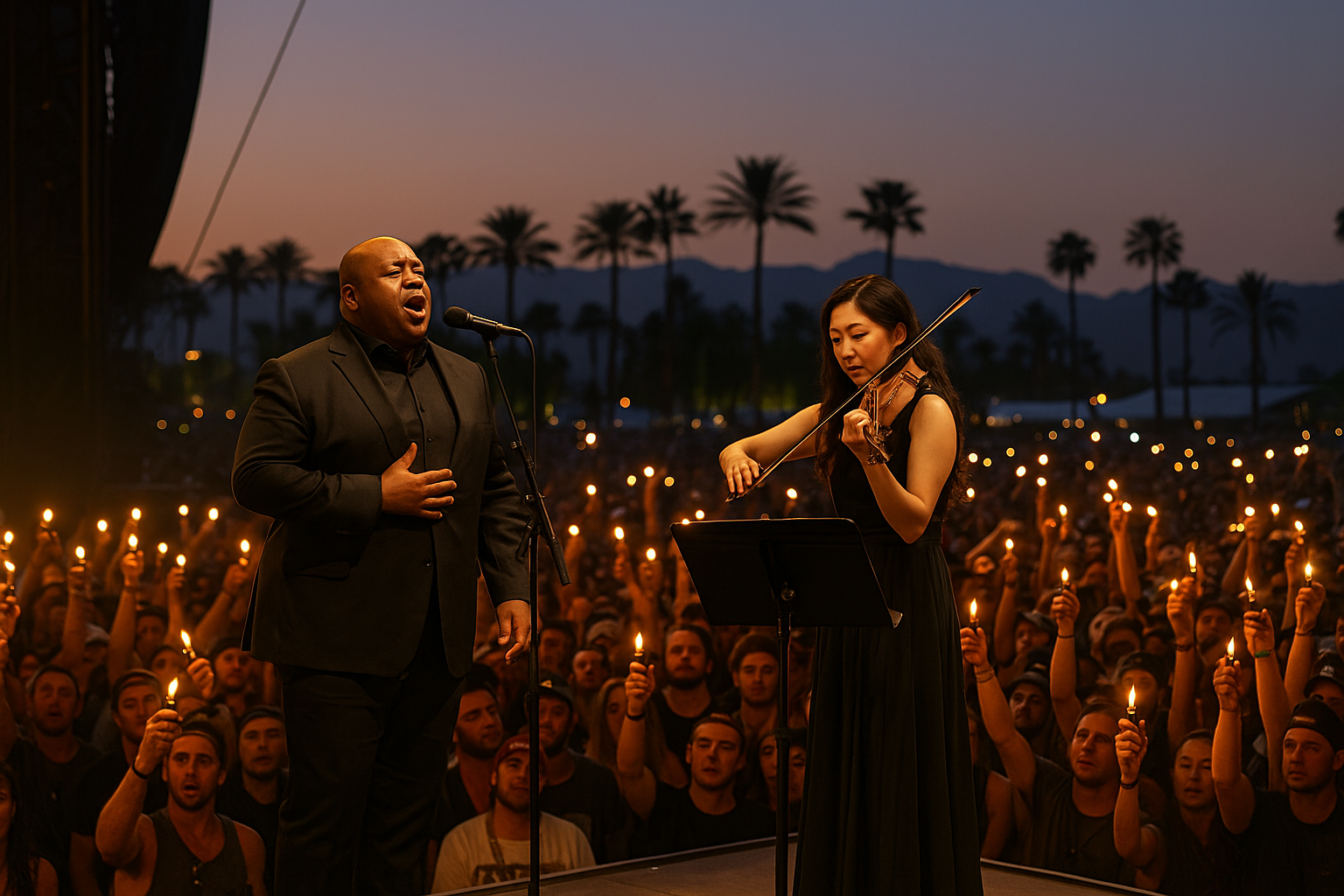
So should early music also embrace this kind of reinvention? The English Concert, Philharmonia Baroque, or Tafelmusik on the Coachella stage? Or perhaps something more intimate: Reginald Mobley and Rachell Ellen Wong — reimagining Purcell under the desert sun? Total Baroque Magazine opens the discussion. Let us know your thoughts in the comments!
You must be logged in to be able to post comments.
Sign in