


 It all began in 1991: an idea shared between three musicians in a kitchen in Copenhagen. Thirty-five years later, their orchestra makes Bach dance, engages with contemporary composers, and follows Queen Christina of Sweden all the way to Rome. As Concerto Copenhagen celebrates its thirty-fifth anniversary, its appetite for discovery remains as keen as ever.
 By
 8 minutes


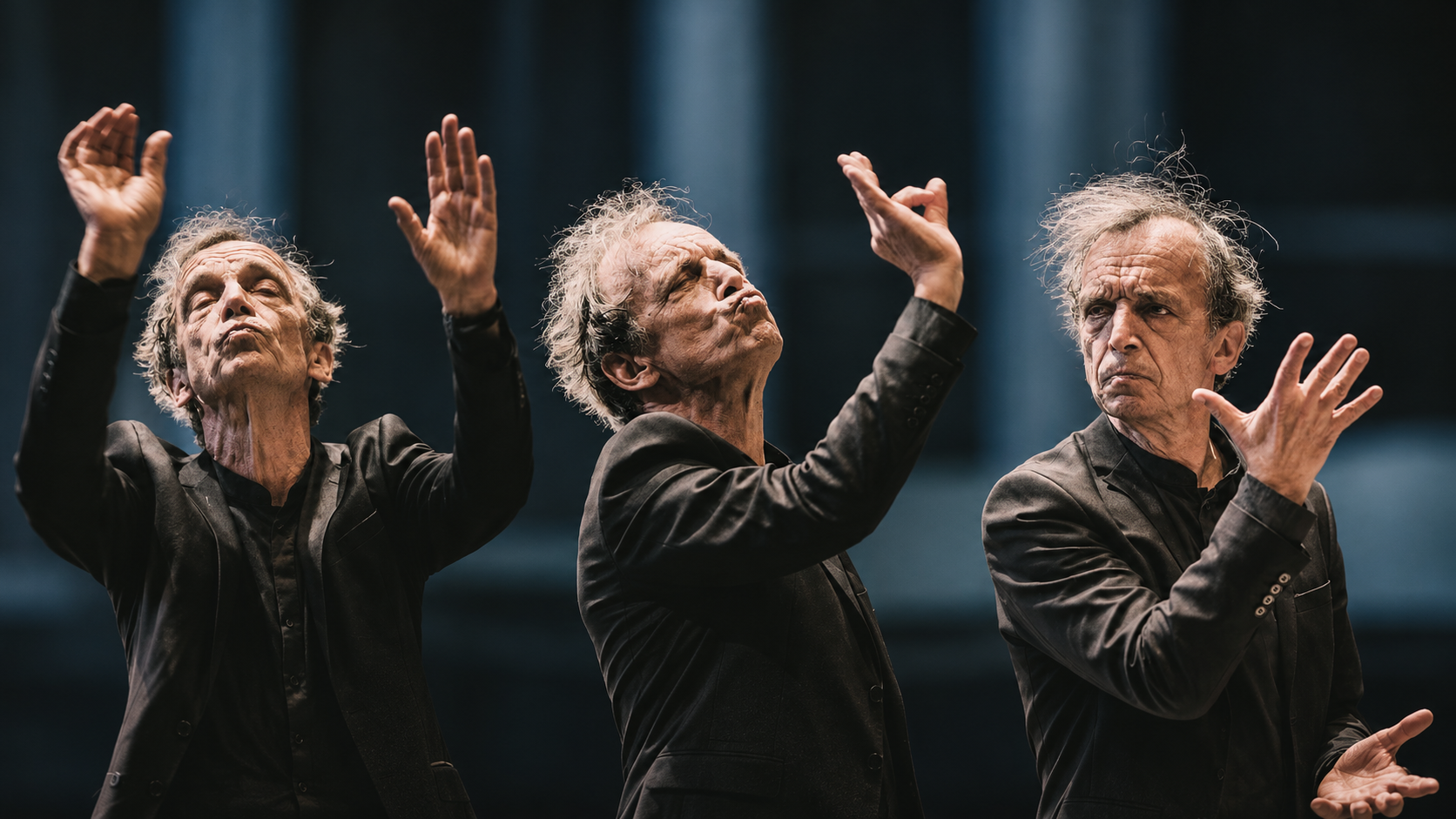
Introduction: Founded in 1991 to give Denmark the Baroque ensemble it had been missing, Concerto Copenhagen has grown through international successes and financial crises. Under the leadership of Lars Ulrik Mortensen, its artistic director since 1999, “CoCo” has carved out a distinctive place for itself, driven by an equal curiosity for European masterpieces, Scandinavian repertoire, and ventures that push the boundaries of the concert experience. The ensemble’s new album, Queen Christina, marks the 400th anniversary of Christina of Sweden’s birth. A well-traveled, music-loving monarch is a fitting subject for an orchestra that has never liked staying at home.
It All Began in a Kitchen
Wonderful things can be cooked up in a kitchen, and that includes the inedible too. In a kitchen in Vesterbro, an area once known as Copenhagen’s red-light district1, the three musicians Nikolaj de Fine Licht, Lars Henriksson, and Anders Danman began dreaming up a Baroque ensemble.
It was the spring of 1990, decades after the “Early Music” wave had swept through the Netherlands, Britain, France and Germany. “But Denmark had for some reason been left off the map,” recalls the harpsichordist and conductor Lars Ulrik Mortensen, who began performing with the ensemble in its early years and has served as its artistic director since 1999. “The emphasis was somewhere else; even Sweden had been touched by the early music phenomenon.” So the three musicians sought to address the lacuna, and Concerto Copenhagen —or “CoCo” as it is affectionately known—was born.
These were mostly Scandinavian musicians who had gone abroad to study. But until that point, nobody had attempted to bring them together. The founders dreamed of performing regularly, perhaps even making a few recordings. In an account written for the ensemble’s thirtieth anniversary, they would describe these ambitions as “youthful and unrealistic hopes”. Fortunately, they did not know that yet.
The orchestra’s inaugural concert took place in January 1991 with a water-themed programme, pairing Telemann’s lesser-known Wassermusik “Hamburger Ebb und Flut” with Handel’s Water Music. The performance, which was broadcast by Danish national radio, crystallised what would become the foundational tenets of Concerto Copenhagen’s work: revitalising the well-known and pioneering the unknown.

Passionate about early music and want to read this subscriber-only article?
If you are not a subscriber, join the international Total Baroque community. Subscribe here from 5.00€.
I subscribe
If you are already a subscriber, sign in.
I sign in 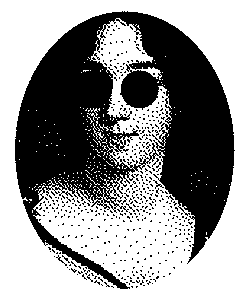

You must be logged in to be able to post comments.
Sign in