


 What happens when Rameau’s dances meet krump? What is yin yoga doing at a festival devoted to 17th-century music? And how does a Baroque festival in Copenhagen end with a folk ball? This week, seven images show early music in places and settings far removed from those with which it is usually associated.
 By
 4 minutes


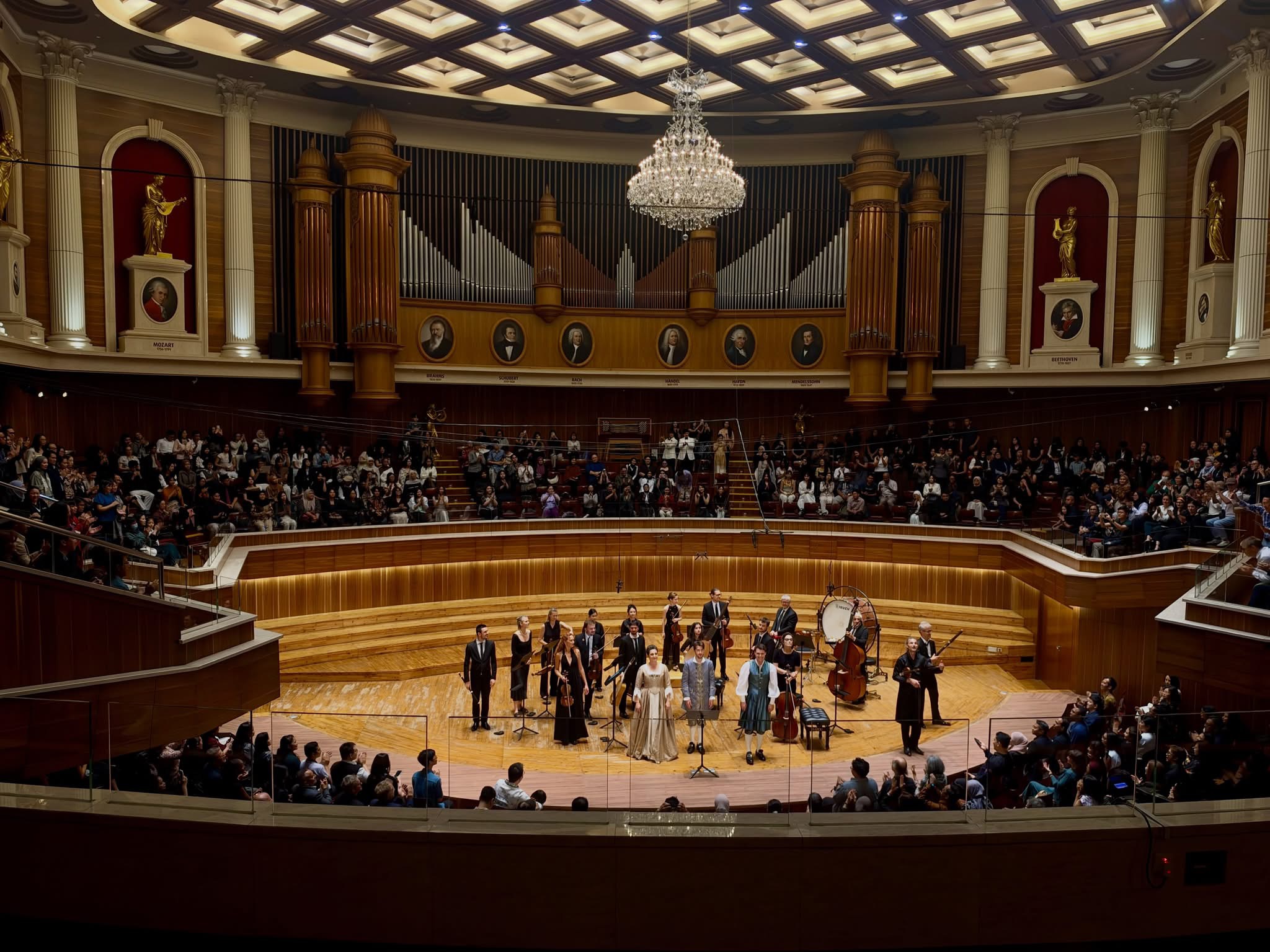
In Jakarta (Indonesia) and Hanoi (Vietnam), the Orchestra of the Royal Opera of Versailles takes Baroque music on the road
The Orchestra of the Royal Opera of Versailles made its Indonesian debut at the Aula Simfonia in Jakarta, before giving two concerts at the Hồ Gươm Opera in Hanoi, Vietnam. The tour was conducted by violinist Stefan Plewniak, with soprano Marie Zaccarini and countertenors Théo Imart and Stéphane Wolf. The programme, “4 Seasons of Versailles”, interwove Giovanni Guido’s seasons with arias by Vivaldi, Handel, Rameau, Hasse and Broschi. While the Orchestra had already performed in Hanoi in 2024, the Jakarta concert marked its first encounter with an Indonesian audience.
With Marie Zaccarini, Théo Imart, Stéphane Wolf, Orchestre de l’Opéra Royal de Versailles and Stefan Plewniak.
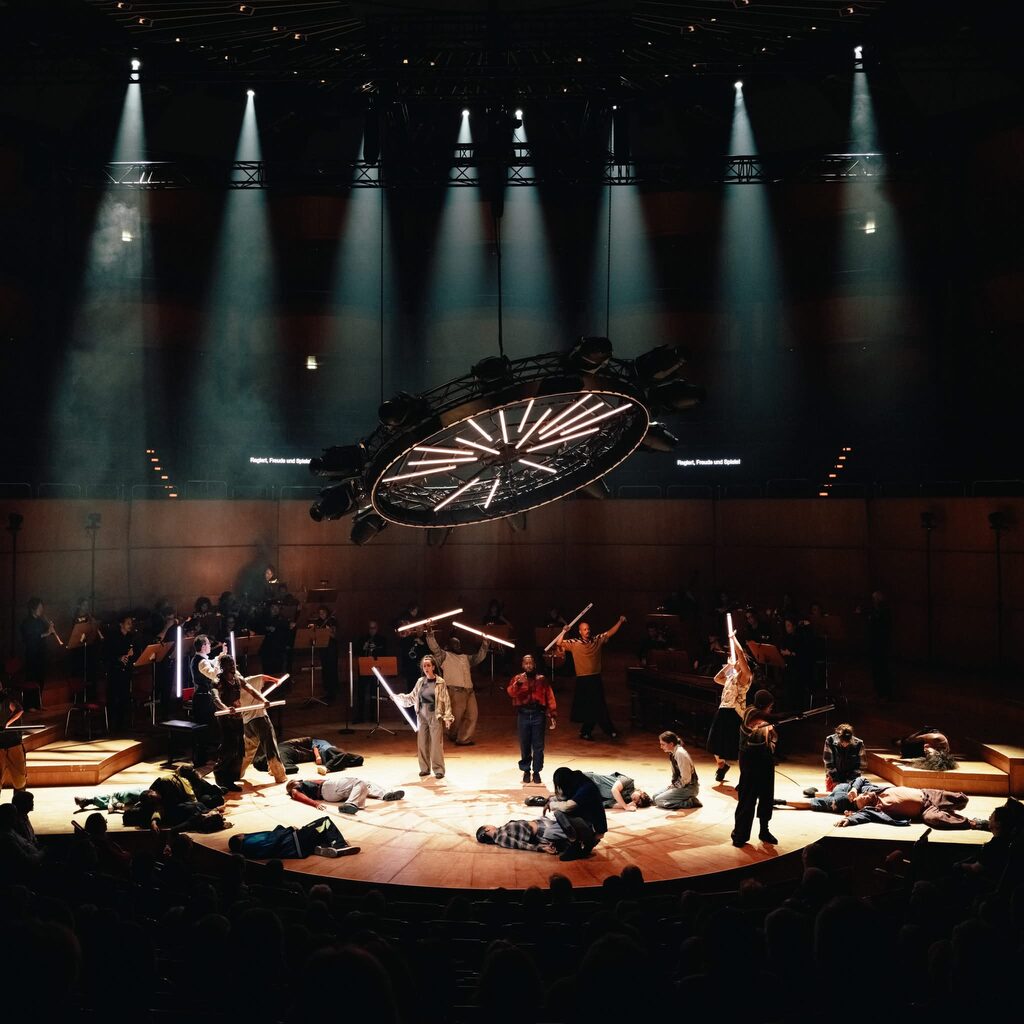
In Cologne, Rameau takes to the dance floor
After Geneva and Grenoble, the Cologne Philharmonie welcomed Les Indes galantes – De la voix des âmes, the danced concert by Cappella Mediterranea and the Chœur de chambre de Namur, conducted by Leonardo García-Alarcón, with choreographer Bintou Dembélé. In this choreographed concert, Rameau’s Baroque dances enter into dialogue with the hip-hop and krump of performers from Dembélé’s Structure Rualité company. The conductor and choreographer had previously worked together on Les Indes galantes at the Opéra Bastille in Paris in 2019.
With Amandine Sanchez, Ana Quintans, Mathias Vidal, Edwin Crossley-Mercer, Cappella Mediterranea, Chœur de chambre de Namur and Leonardo García-Alarcón.
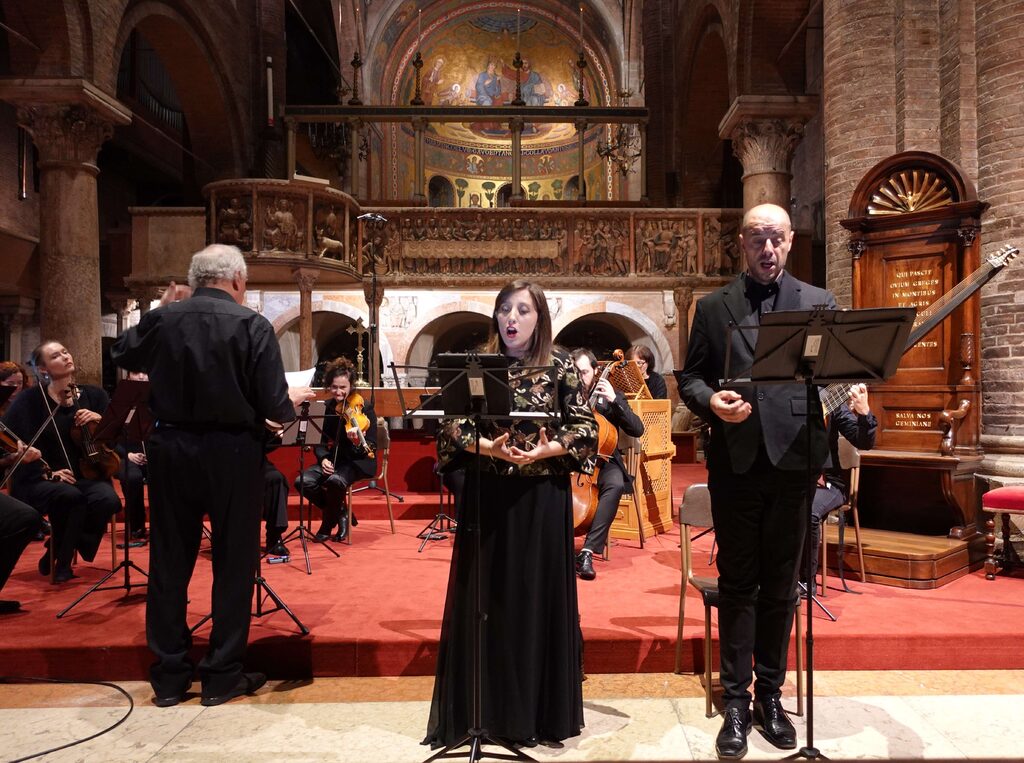
In Modena (Italy), a modern-day first for the Oratorio de San Geminiano
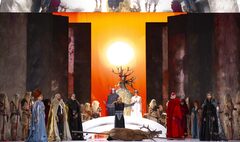
The Oratorio de San Geminiano, devoted to Modena’s patron saint, received its first modern performance in the cathedral where his tomb is housed, a UNESCO World Heritage Site. The work was composed by Caterina Benedetta Grazianini in 1705. The concert was one of the highlights of the Festival Musicale Estense “Grandezze & Meraviglie”, one of Emilia-Romagna’s oldest and most prestigious early and Baroque music festivals. The work evokes one of the miracles attributed to the 4th-century saint: the anonymous libretto tells the story of Flavia, daughter of Emperor Jovian, who is healed by Geminianus when he drives out the demon possessing her, according to a legend depicted in the bas-reliefs of the cathedral’s Porta dei Principi.
With Maria Dalia Albertini, Naoko Tanigaki, Aloisa Aisemberg, Matteo Bellotto, Orchestre baroque de Bologne and Paolo Faldi.
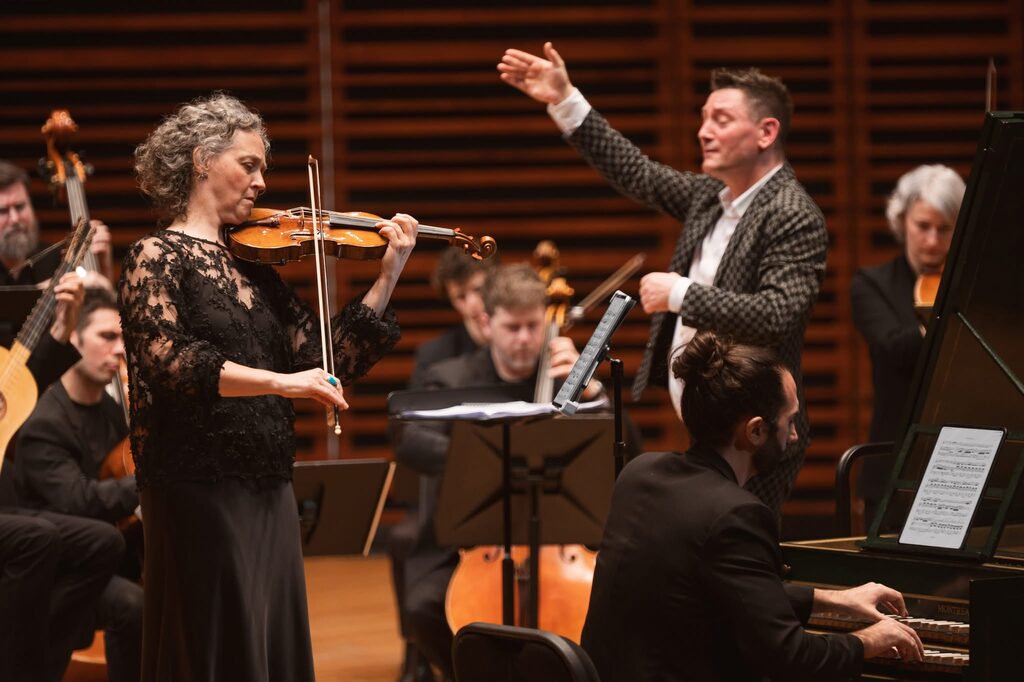
In Quebec City, Maurice Steger conducts Les Violons du Roy
At the Palais Montcalm in Quebec City, Les Violons du Roy were reunited with Maurice Steger for their Fantaisies baroques. This time, the Swiss recorder player devoted himself to conducting, in a programme spanning late Baroque and the emerging Classical style: Telemann, including his suite La Changeante, was heard alongside a symphony by Carl Philipp Emanuel Bach and a Concerto armonico by Van Wassenaer. Violinist Pascale Giguère and keyboard player Suren Barry shared the solo parts in Haydn’s double concerto. A journey through the orchestral colours of the 18th century, repeated the following day at Montreal’s Salle Bourgie.
With Pascale Giguère, Suren Barry, Les Violons du Roy and Maurice Steger.
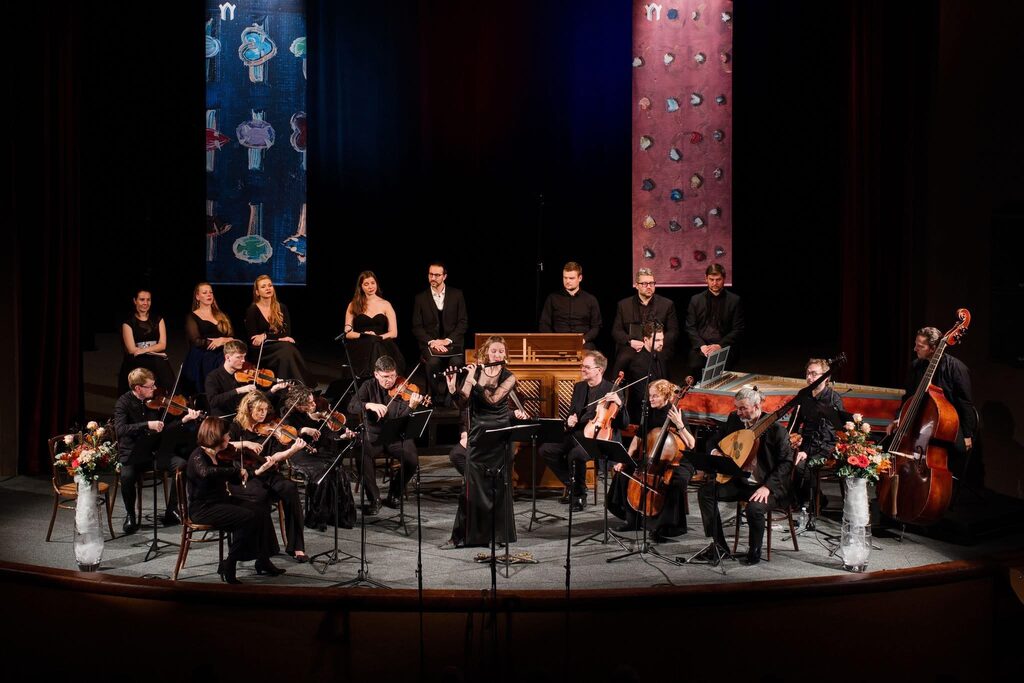
In Nový Bor (Czech Republic), a touch of Versailles with Jana Semerádová
A festive concert entitled “Jubilate Deo” was given at the Municipal Theatre in Nový Bor, northern Bohemia, as part of the Lípa Musica festival, on the eve of the national holiday commemorating the creation of Czechoslovakia in 1918. The evening also marked Jana Semerádová’s final appearance at the 2026 edition as the festival’s artist-in-residence. The flautist brought together eight singers for a programme in which Zelenka’s Magnificat and Lauda Jerusalem met the splendours of French music by Delalande and Mondonville. The grand motet Cœli enarrant gloriam Dei crowned the programme, while Jana Semerádová took the solo part in Leclair’s flute concerto.
With Jana Semerádová.
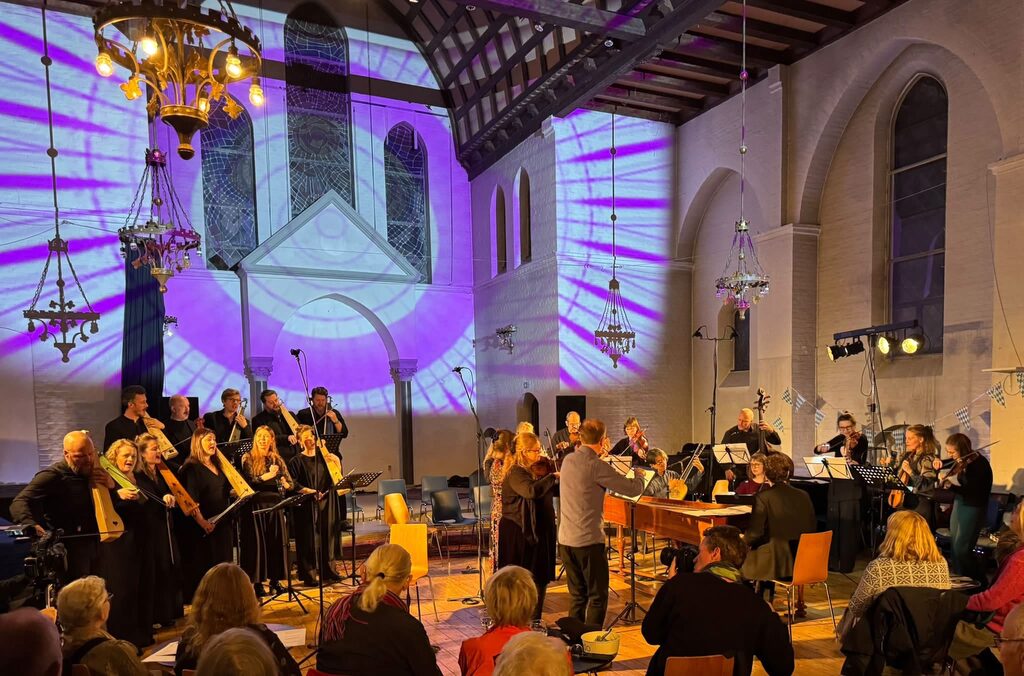
In Copenhagen, Camerata Øresund’s Baroktoberfest
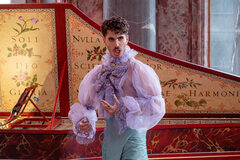
Camerata Øresund opened its Baroktoberfest at Copenhagen’s KoncertKirken, with two days combining concerts, a shared meal and folk dancing. With the Icelandic vocal ensemble Cantoque and Sweden’s Höör Barock, the evening explored connections between Nordic traditions and early music. The programme brought together Icelandic melodies, the sounds of the langspil, a traditional stringed instrument, and music from Scandinavian courts. “Nordisk Harmoni” then broadened the journey to Purcell, Buxtehude, Telemann, Campra and Handel, drawing in particular on the Swedish Düben Collection. Lene Juhl’s light installations accompanied this musical journey, before the festivities continued the following day and culminated in a folk ball.
With Camerata Øresund, Cantoque Ensemble and Höör Barock.
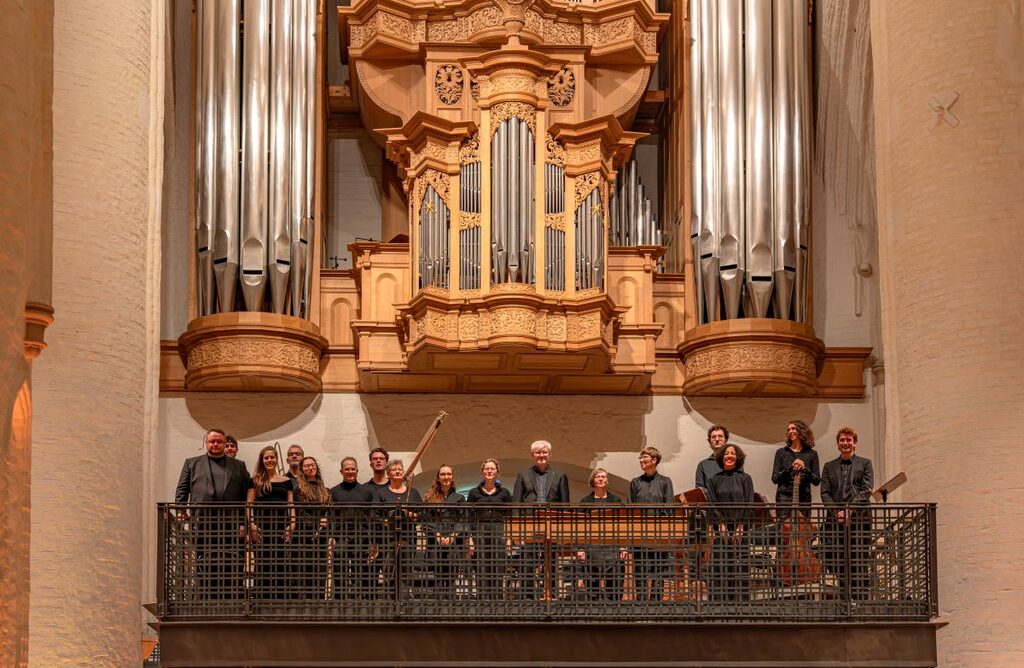
In Hamburg, early Baroque at the Early Music Flow Festival
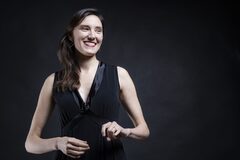
Founded by recorder player Luise Catenhusen, the Early Music Flow Festival devoted its second edition to composers of Hamburg’s early Baroque: Selle, Schop, Hieronymus Praetorius and their contemporaries, all active in the Hanseatic city during the 17th century. The opening concert at the Laeiszhalle focused on music of love and marriage. After two unusual concert formats, including early Baroque melodies combined with yin yoga, the festival ended amid the sound world of polychoral music at St Catherine’s Church, where this repertoire once resounded.
With Early Music FLOW Ensemble, Luise Catenhusen, Charlotte Schwenke and Tobias Tietze.

You must be logged in to be able to post comments.
Sign in