


 A jealous Portuguese, an Italian shepherd, bells, dances and the Christ Child at the heart of the festivities: with ¡A la fiesta!, Cantoría revives the Christmas villancicos of Joseph de San Juan (1687–1735), a Catalan composer celebrated in the Spain of his day before almost disappearing from memory.
  By
By  3 minutes


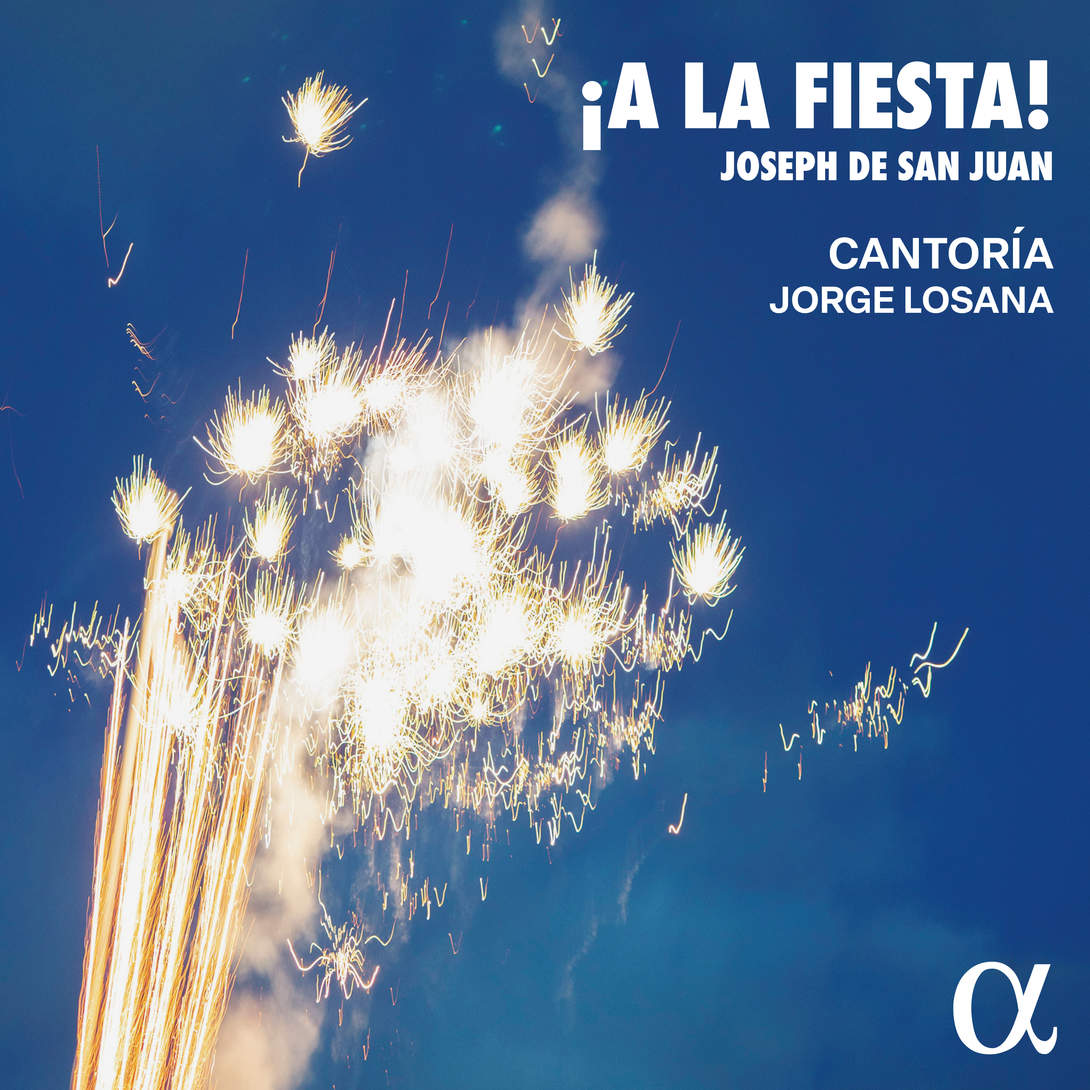
Released on 16 October, on Alpha Classics, ¡A la fiesta! brings together seven villancicos by Joseph de San Juan (1687–1735), alongside two recercadas by Francisco Hernández y Llana (1700–1780) and a work attributed to Mateo Romero (1575–1647), all under Jorge Losana and is ensemble Cantoría. Almost the entire programme is receiving its first recording: a theatrical, popular Christmas world of shepherds, characters from different nations, bells and dances.
A celebrated composer, then almost forgotten
Joseph de San Juan was far from unknown in his own lifetime. Born in Olot, Catalonia, in 1687 as Joseph Joanetas Serra y Santaló, he began as a choirboy at Sigüenza Cathedral before working for the Royal Chapel in Madrid. After returning to Sigüenza as maestro de capilla, he was appointed in 1711 to the Descalzas Reales in the capital, one of the kingdom’s most prestigious musical institutions, where he remained until his death in 1735.
Much of his output has disappeared, including his operas and zarzuelas. His surviving sacred works have followed remarkably scattered paths: some are now preserved in Madrid or Paris, others as far away as Guatemala. ¡A la fiesta! is therefore also the result of painstaking reconstruction, with Cantoría drawing on editions based on manuscripts rediscovered in several European and American collections.
When Christmas turns into theatre
The works gathered here belong to the tradition of the villancicos de Navidad, performed notably at Matins on Christmas Eve and Epiphany Eve. The term does not refer to a rigid musical form: a refrain may alternate with verses, while an introduction can set the scene almost like a stage direction. By the eighteenth century, Italian influence had even brought recitatives and arias into some of these works.
Above all, these sacred songs have close ties with popular theatre. Shepherds, comic characters and travellers arriving to worship the Christ Child converse, dance and joke with one another. Some are defined by their origins and the stereotypes associated with them at the time: El portugués presents a Portuguese character portrayed as melancholic and excessively patriotic, while Un pastorcillo italiano plays on the Italians’ supposed taste for recitative and aria. The Nativity becomes less a static act of contemplation than a miniature sound-theatre in which everyone brings their own language, character and music.
The album itself takes its title from a 1728 villancico, A la fiesta, zagales dichosos. Elsewhere, De repiques de campanas brings bells into the celebration, while Céfiros, corra imagines the birth of Christ as the arrival of a “new dance” that turns yesterday’s sorrows into joy and fears into hope.
Cantoría expands its horizons
This repertoire is a natural continuation of Cantoría’s work. Founded in Barcelona in 2016 by Jorge Losana, the ensemble specialises in Iberian vocal music of the Renaissance and early Baroque. Its debut recording, devoted to Mateo Flecha’s Ensaladas and made at Ambronay in 2022, received several distinctions, including a Diapason Découverte and the Preis der deutschen Schallplattenkritik. Since then, the ensemble has expanded its forces to develop programmes combining a larger vocal line-up with a true chamber orchestra.
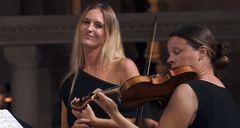
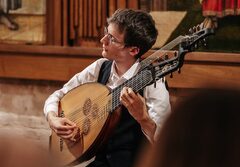
¡A la fiesta! reflects that evolution directly. Around the nine singers are violins, viola da gamba, double bass, oboe, guitar, theorbo, harp, organ, harpsichord, percussion and castanets. Two recercadas by Francisco Hernández y Llana provide purely instrumental breathing spaces, while Soberana María, attributed to Mateo Romero, closes the album. The recording was made in February 2026 at the Narodowe Forum Muzyki in Wrocław. The celebration promised by the title is therefore also that of a Cantoría now able to unfold an entire instrumental world around its voices.


You must be logged in to be able to post comments.
Sign in