


 From Klaipėda to Royaumont, early music travels this week between the Baltic, the Spanish Golden Age, encounters between East and West and major opera stages. Handel, Gabrieli, Bach and Scarlatti meet places and stories that give this repertoire a fresh resonance.
 By
 3 minutes


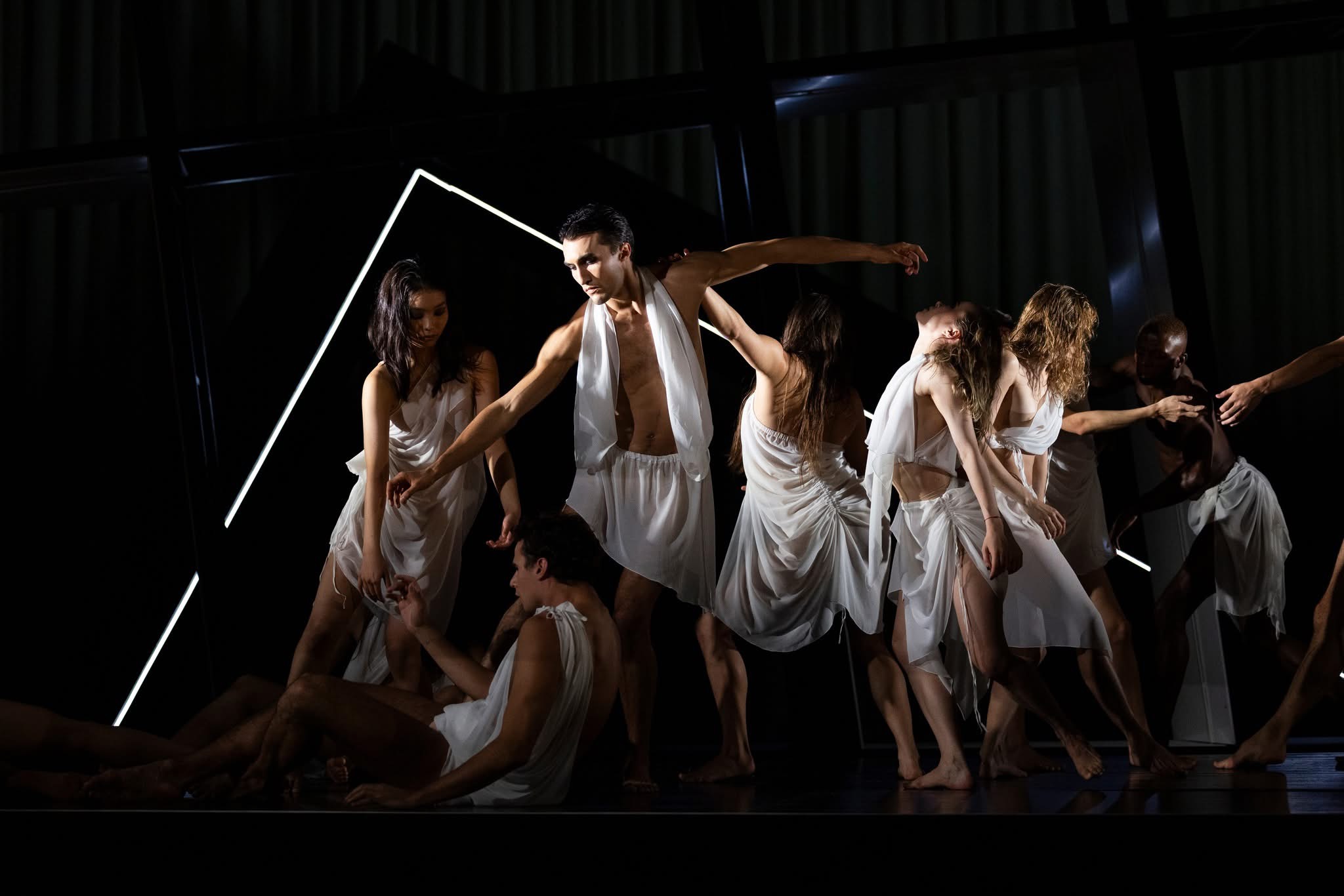
In Klaipėda (Lithuania), Handel’s Giulio Cesare comes to the shores of the Baltic
It was a historic first for Lithuania! On 9, 10 and 13 October, Klaipėda State Music Theatre (KVMT) presented the country’s first fully staged production of Handel’s Giulio Cesare. Rodrigo Calveyra conducted musicians playing on period instruments, brought together around the ensemble Canto Fiorito, while the production was directed by Tristan Braun. Countertenor Christopher Lowrey sang Caesar opposite Lina Dambrauskaitė’s Cleopatra, with Ivo Posti as Tolomeo. The ambitious production also featured the theatre’s ballet company.
With Christopher Lowrey, Lina Dambrauskaitė, Ivo Posti, Canto Fiorito and Rodrigo Calveyra.
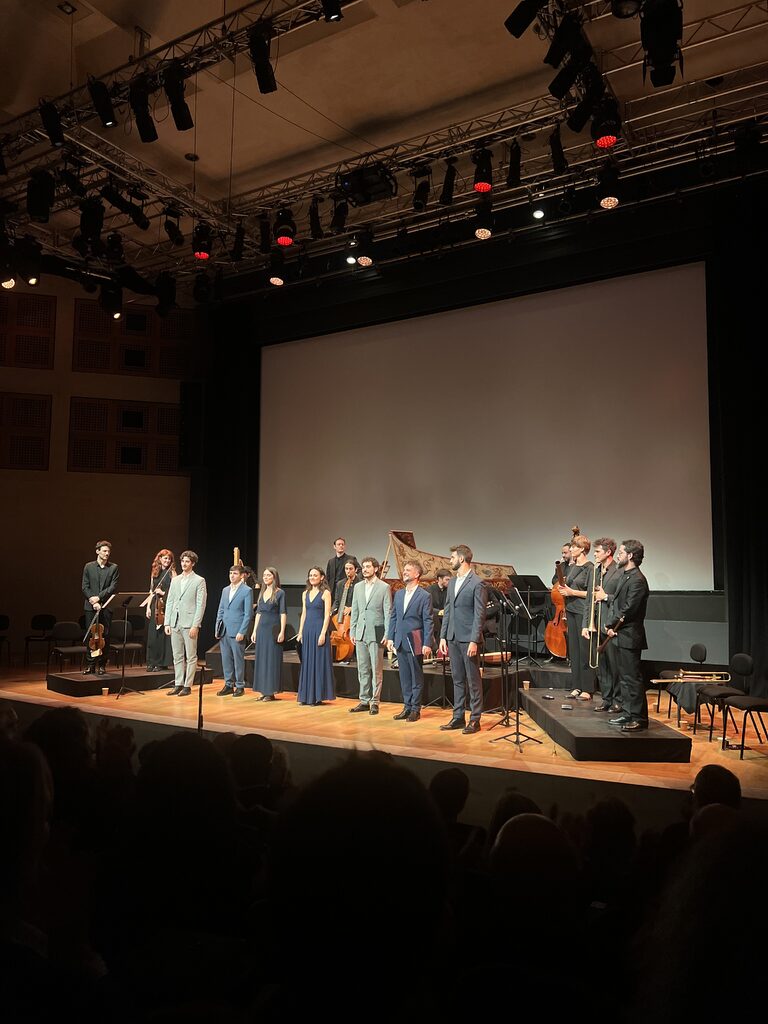
At the Louvre (Paris), Cantoría brings the Spanish Golden Age to life
To mark the opening of the major exhibition devoted to the painter Francisco de Zurbarán (1598–1664), the Louvre in Paris welcomed the Spanish ensemble Cantoría, directed by Jorge Losana. The group, which has emerged as one of the leading young ensembles in Iberian early music, offered a journey through the musical world of the Spanish Golden Age. Combining religious fervour, polyphonic splendour and vocal expressiveness, the programme ‘The Music of Zurbarán’ brought music into dialogue with the spirituality and striking chiaroscuro of the painter’s work. The concert opened the ‘Golden Centuries and Centuries of Shadow’ series, which continues until January 2027, notably with Jordi Savall and Hespèrion XXI.
With Cantoría and Jorge Losana.
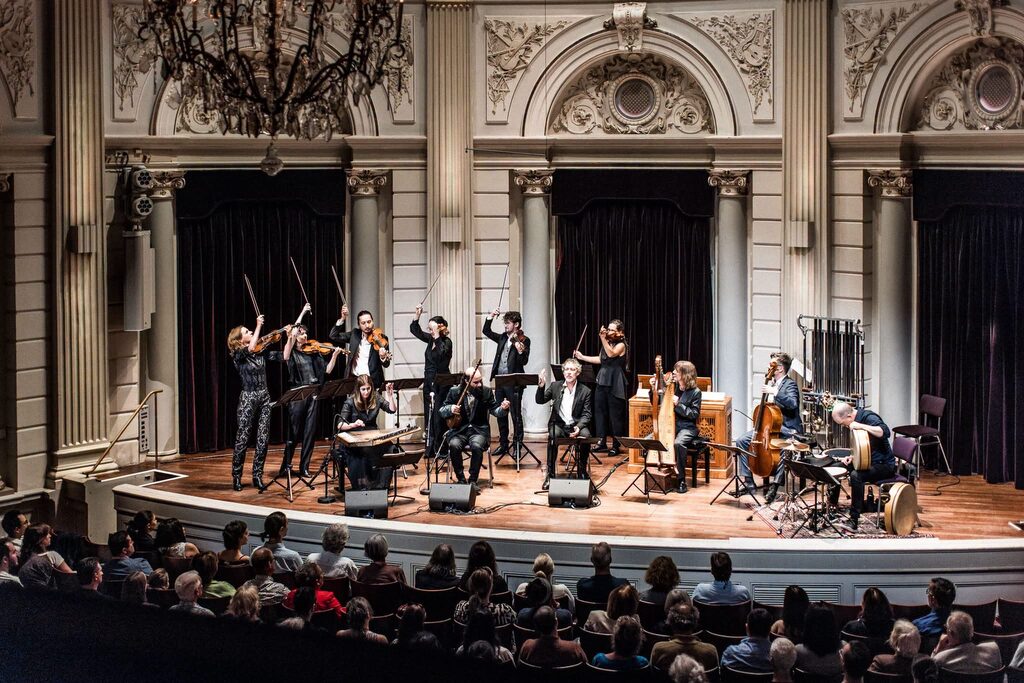
In Amsterdam (Netherlands), St Francis of Assisi meets the Sultan with Holland Baroque and Constantinople
Eight centuries after the death of St Francis of Assisi, Holland Baroque and the Canadian ensemble Constantinople brought their musical worlds together for three concerts in the Netherlands, in Utrecht, Amsterdam and The Hague. Entitled Dialogos, the programme was inspired by the historic meeting in 1219 between Francis of Assisi and the Sultan of Egypt, Malik al-Kamil, during the Fifth Crusade. Under the impetus of the musicians of Holland Baroque and Kiya Tabassian, founder of Constantinople, instruments and musical traditions from East and West turned this encounter between two cultures into a musical plea for dialogue and peace.
With Holland Baroque, Constantinople and Kiya Tabassian.
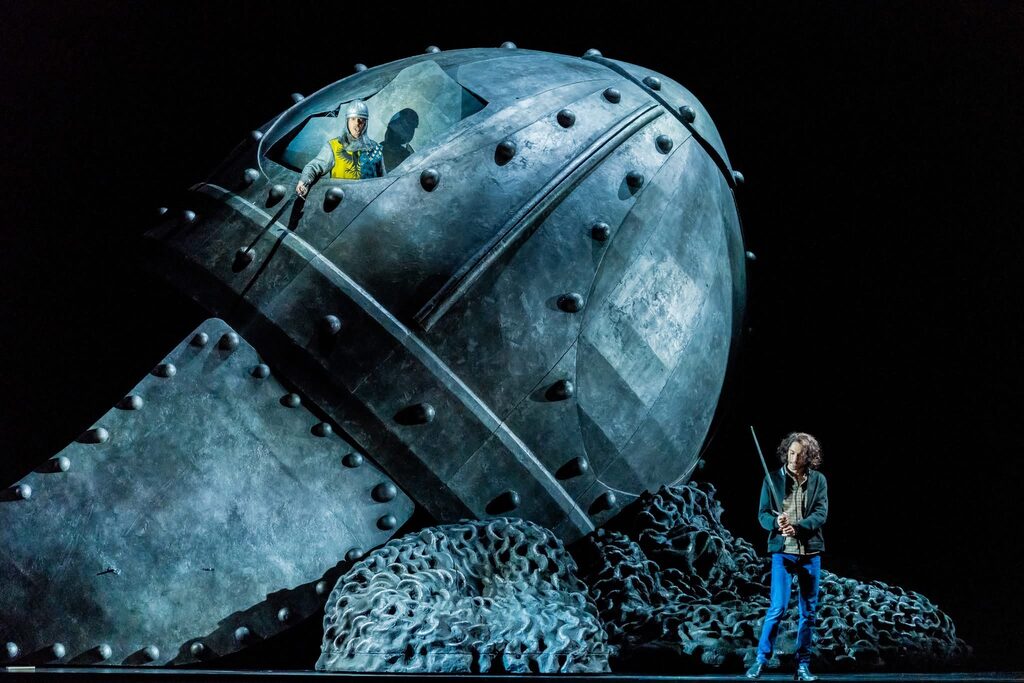
In Nice (France), Orlando opens the opera season
Opéra de Nice opened its season with a new production of Handel’s Orlando, inspired by Ariosto’s Orlando furioso and first performed in London in 1733. Mariame Clément’s staging brought the chivalric world of the opera into dialogue with the present day. Under the direction of Jean-Christophe Spinosi, the Orchestre Philharmonique de Nice and Ensemble Matheus accompanied the young countertenor Rémy Brès-Feuillet in the title role, alongside soprano Marie Lys as Angelica. The cast also included Fernando Escalona (Medoro), Émilie Rose Bry (Dorinda) and baritone Joan Martín-Royo (Zoroastro). The production was warmly received by critics, not least for the intensity of its musical interpretation.
With Rémy Brès-Feuillet, Marie Lys, Fernando Escalona, Émilie Rose Bry, Joan Martín-Royo, Ensemble Matheus and Jean-Christophe Spinosi.
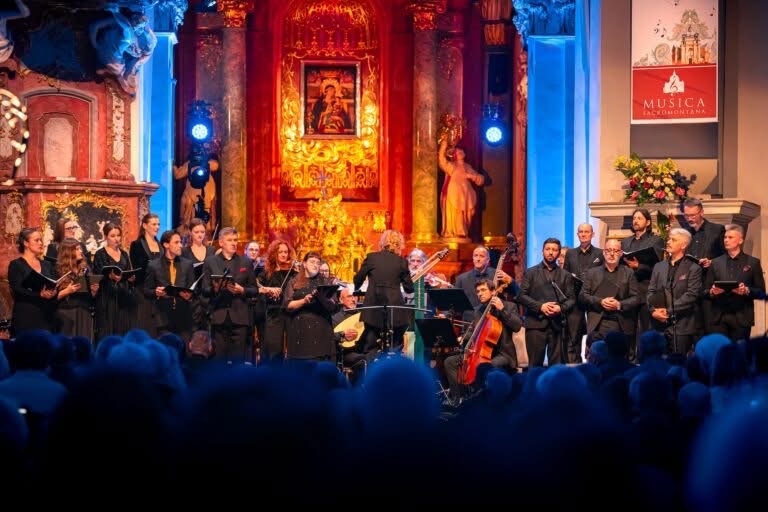
In Gostyń (Poland), Baroque Collegium 1685 brings together Bach, Handel and Scarlatti
At the Musica Sacromontana festival in Gostyń, western Poland, the choir and orchestra of Baroque Collegium 1685, conducted by Agnieszka Żarska, presented a concert in the Baroque basilica of Święta Góra (‘Holy Mountain’) devoted to Bach, Handel and Scarlatti, three composers born in the same year, 1685, yet whose musical paths could hardly have been more different. From Bach’s spiritual depth and Handel’s dramatic power to Scarlatti’s Italian elegance, the programme revealed the diversity of European Baroque music. It also reflected the very purpose of the Musica Sacromontana festival: to bring the heritage of sacred music to life within the historic setting of Gostyń.
With Baroque Collegium 1685 and Agnieszka Żarska.
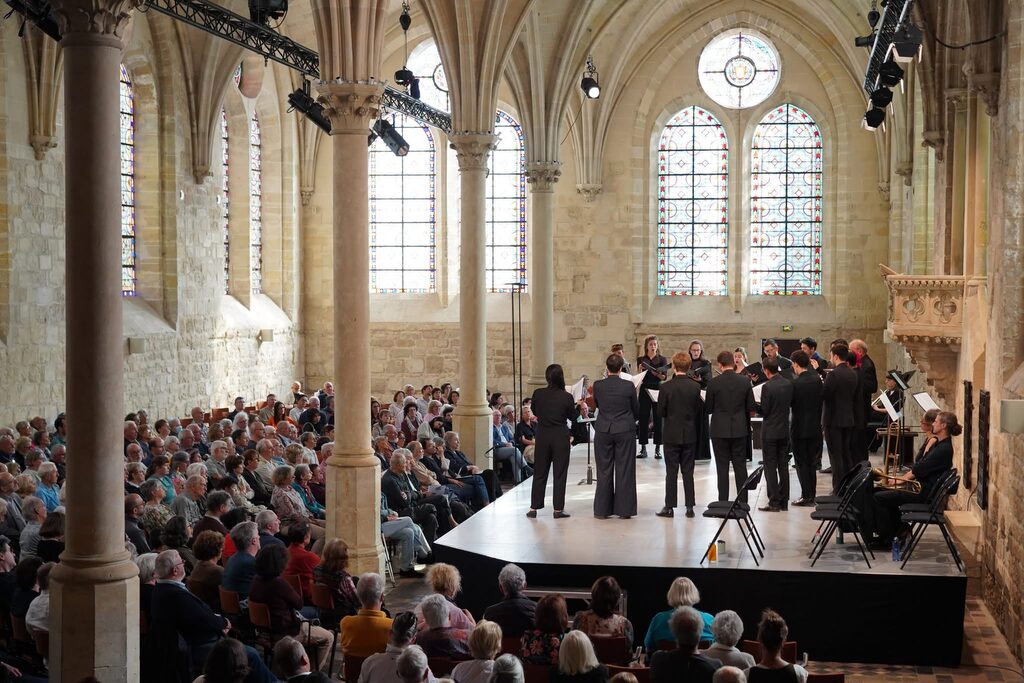
At Royaumont Abbey (France), Venice meets Byzantium with Ensemble Irini
In the monks’ refectory at Royaumont Abbey, near Paris, Ensemble Irini, directed by Lila Hajosi, presented Post Tenebras, a dialogue between the Venetian polyphony of Giovanni Gabrieli and Byzantine chants by Konstantinos d’Aghialos and Joasaph of Mount Athos. Two musical traditions separated by thousands of kilometres, yet united by the same sonic splendour. Sixteen singers divided into two choirs and four sackbuts revived the musical magnificence of the turn of the 17th century. Between Gabrieli’s Venice, at the dawn of the Baroque, and the musical revival of the Christian East, Irini explored two worlds rarely brought together. The concert formed part of the Royaumont season and the Festival Baroque de Pontoise.
With Ensemble Irini and Lila Hajosi.




You must be logged in to be able to post comments.
Sign in