


 After 1945, despite the dominance of a Germanic and Romantic model, Japan’s musical landscape gradually opened up to other horizons. Bach, Vivaldi, and Rameau found their place in an archipelago where concert halls, schools, radio, and even cafés played a decisive role. Here is the second instalment of a series chronicling a musical discovery in which the recorder takes center stage!
  By
By 


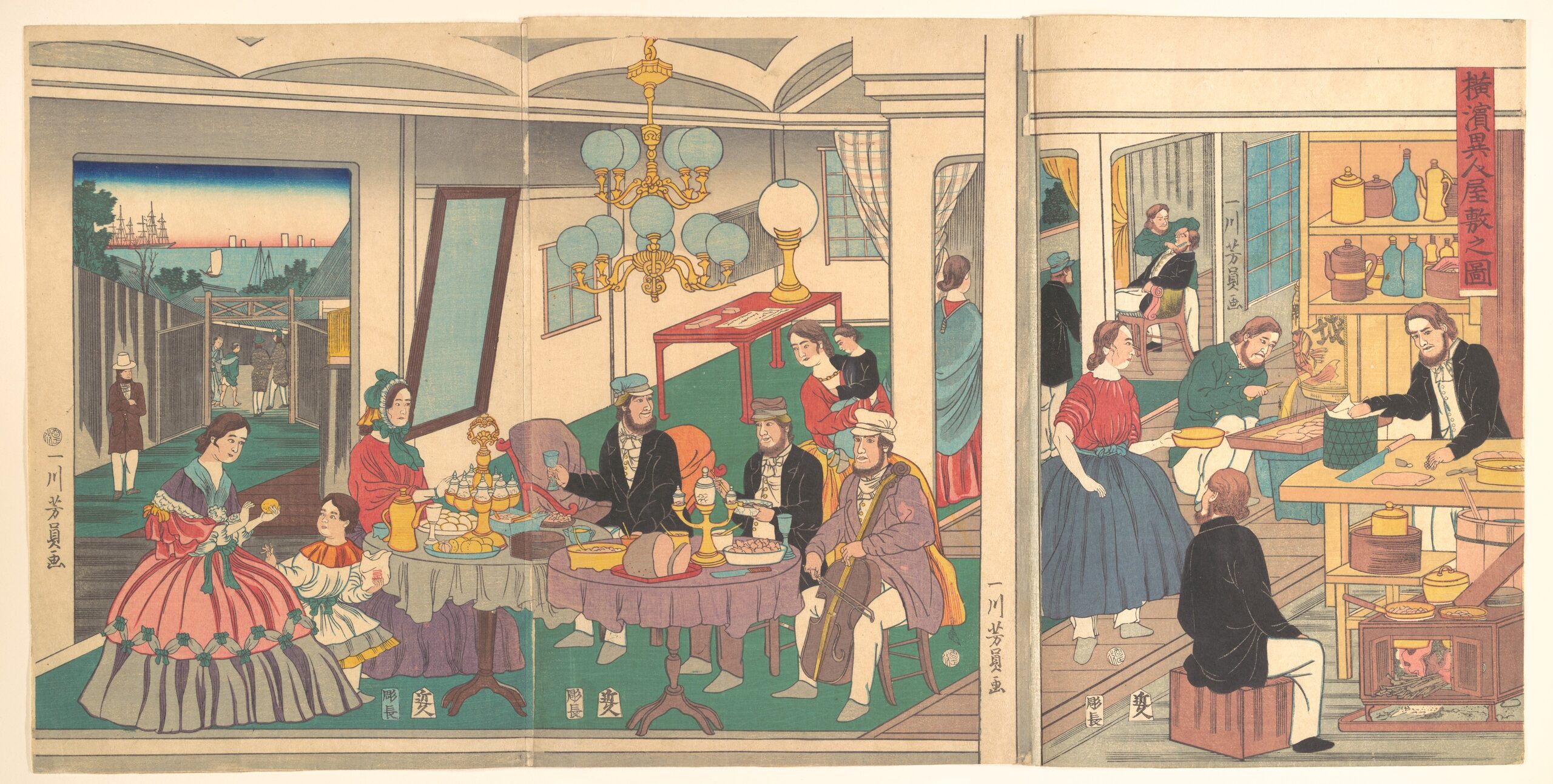
The history of Baroque music in Japan is neither a simple case of cultural transfer nor a fashion imported from Europe. It developed step by step, at the crossroads of musical education, the media, and a distinctive passion for attentive listening… in cafés! After 1945, while the Germanic and Romantic tradition still largely dominated the musical horizon, the gradual discovery of the Baroque repertoire opened up new aesthetic perspectives. The introduction of the recorder in schools, emblematic NHK broadcasts, listening cafés devoted to European recordings, and the success of pioneers of historically informed performance all contributed to shaping a genuine Japanese Baroque culture. Today, supported by internationally renowned ensembles such as Bach Collegium Japan and by a thriving community of artists, this adventure reveals how a repertoire born in seventeenth- and eighteenth-century Europe has found, in Japan, a unique and unexpected resonance.
The crucial importance of the Baroque recorder

Passionate about early music and want to read this subscriber-only article?
If you are not a subscriber, join the international Total Baroque community. Subscribe here from 5.00€.
I subscribe
If you are already a subscriber, sign in.
I sign in 

You must be logged in to be able to post comments.
Sign in