


 To mark Pygmalion’s 20th anniversary, Raphaël Pichon conceived a unique pilgrimage: to retrace on foot, along with his musicians, the journey that the young Johann Sebastian Bach undertook in 1705 from Arnstadt to Lübeck, in northern Germany, to further his musical education under the great Dietrich Buxtehude. After a first stage in Thuringia in 2024, which resonated widely through ARTE and France Musique, Raphaël Pichon and his ensemble are now setting off once again for Wolfenbüttel, Lüneburg, and Lübeck, in northern Germany.
  By
By 


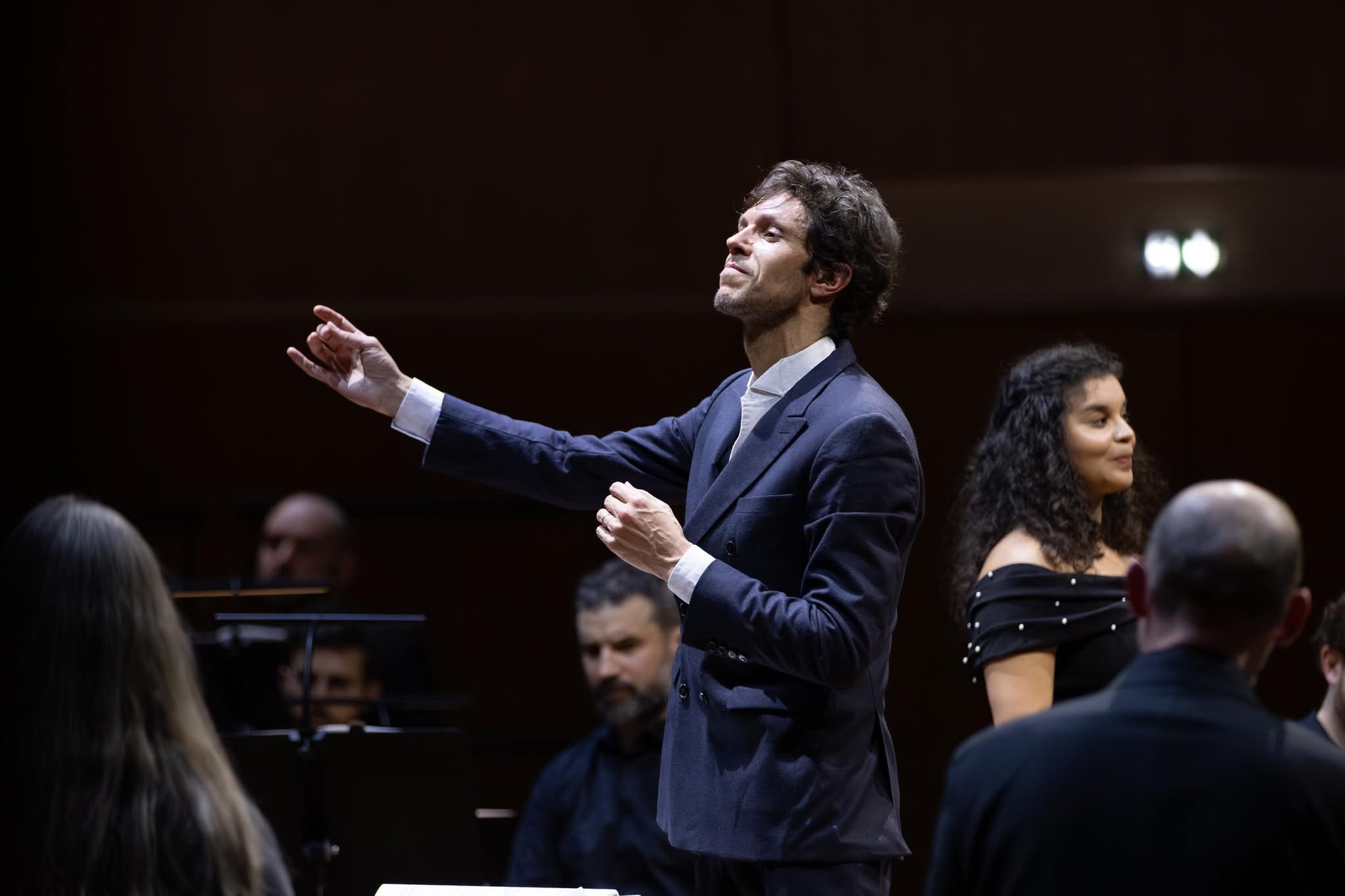
To celebrate the twentieth anniversary of his ensemble Pygmalion, Raphaël Pichon has chosen neither retrospective nor simple commemoration, but rather a living immersion into the very origins of his musical universe: those of Johann Sebastian Bach. By retracing the mythical route taken by the young composer in 1705 towards Dieterich Buxtehude, the conductor draws his musicians into an immersive experience in which walking, places, and sounds become inseparable. From Wolfenbüttel to Lübeck, via Lüneburg in northern Germany, the project maps the Germanic and Italian influences that run through Bach’s work, from Claudio Monteverdi to Heinrich Schütz. Following an initial journey in 2024, this second expedition continues the rediscovery of heritage, the exploration of lesser-known repertoire and the physical confrontation with the effort of travel itself. Les Chemins de Bach 2026 also emerges as an artistic quest and a reflection on transmission. At a time when early music has become a shared language, Pichon questions its legacy and its possible futures.
You travelled through Thuringia in Bach’s footsteps in 2024, and this year you are setting off again for Wolfenbüttel, Lüneburg, and Lübeck. Why this precise route, so closely tied to the major stages of Bach’s own journey in 1705?
Raphaël Pichon: It’s actually quite simple. This year we are celebrating our 20th anniversary—on May 30, to be exact. I’m not especially fond of grand celebrations, but I wanted us to look back a little on these twenty years spent together, and on the figure who is, in some ways, the very reason Pygmalion exists: Bach. So I asked myself this question: what could allow us to deepen our intimacy even further with this composer? What could continue to bring us closer to him, to understand him, to grasp him? And suddenly I thought: what was Bach doing when he himself was 20? That famous walk which history—sometimes beautifully, sometimes romantically—has transformed into something almost like a rite of passage. The young Bach goes out to encounter the Other, to meet a great visionary in Buxtehude. He returns enriched, transformed, ready to begin—even though he had already begun before then. Nourished, filled with extraordinary music. The idea was for us to retrace that walk ourselves, to strip ourselves back a little, and to visit certain strongholds, certain places. Last year, playing in St. James’s Church in Lübeck, but also in the village of Dornheim, was magical. This year, we will explore a particular legacy that Bach constantly draws upon: that of Wolfenbüttel and Schütz, and then that of Lübeck with Tunder and Buxtehude.
Is the atmosphere you can sense in these cities, now fully immersed in the 21st century, also a source of inspiration for those who have been following you for twenty years—and for you yourself?
R. P.: Last year’s experience was decisive. In preparation for this new pilgrimage, I have already done a great deal of scouting on my own, and I was still in Lübeck a few days ago. Obviously, the modern world has profoundly transformed the countryside in some of the regions we will cross. In other towns, like Arnstadt, things remain remarkably preserved. The church is still “as it was”: much of the liturgical furniture dates from the late seventeenth century, along with the acoustics, the atmosphere, the way sound travels, the sound of certain organs whose historic elements are still intact. And then there is the countryside, the birdsong… It may sound somewhat naïve, but in fact it is not. I find that walking allows us to enter into that intimacy. Especially by taking the famous Salt Route [the old medieval trade route in northern Germany linking the cities of Lüneburg and Lübeck].

Passionate about early music and want to read this subscriber-only article?
If you are not a subscriber, join the international Total Baroque community. Subscribe here from 5.00€.
I subscribe
If you are already a subscriber, sign in.
I sign in 

You must be logged in to be able to post comments.
Sign in