


 Between a twenty-date tour in France of L’Avare (“The Miser”), an intermezzo on Molière’s famous play composed in 1720 by the Italian Francesco Gasparini, and preparations for the next edition of the Misteria Paschalia festival in Kraków, for which he serves as musical director for the 2024–2026 period, spring promises to be busy for Vincent Dumestre and his ensemble Le Poème Harmonique.
  By
By 


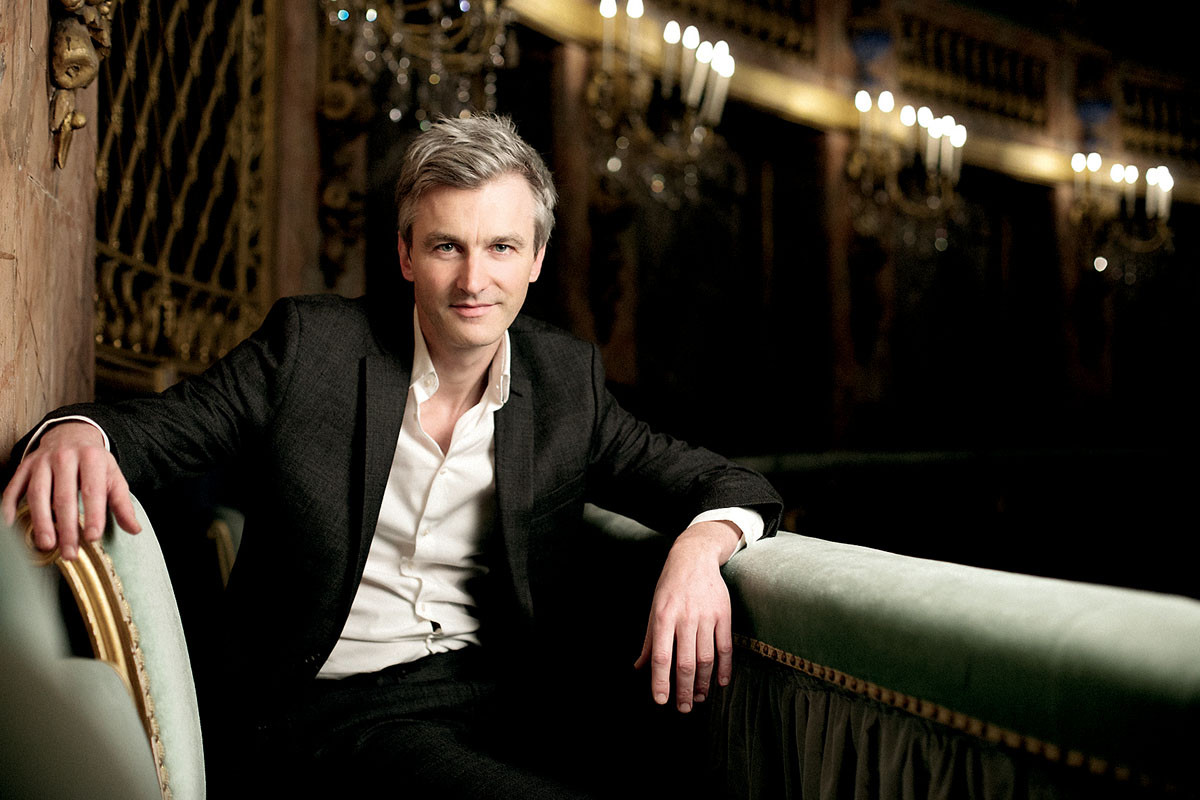
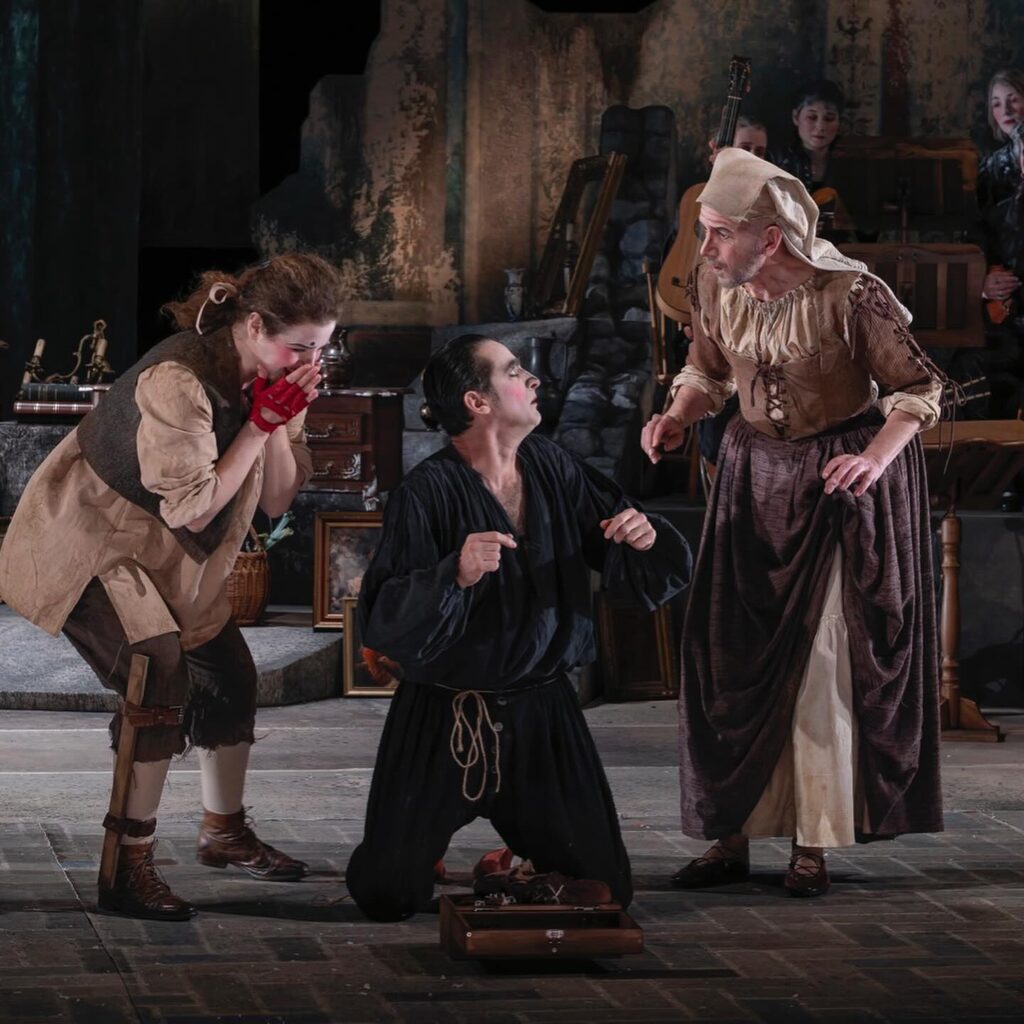
Caen, Rennes, the Théâtre de l’Athénée in Paris, Reims, La Rochelle, Amiens, the Royal Opera of Versailles… This year once again, Molière continues to draw audiences. Throughout the month of March, Vincent Dumestre and Le Poème Harmonique bring back to life L’Avare (“The Miser”), a musical rarity by the Italian Francesco Gasparini, composed in 1720, forty years after the premiere of Molière’s original play. A delicious and unexpected Italian reinterpretation, before the ensemble sets off for Poland, bound for Kraków, for a new edition of Misteria Paschalia, one of Europe’s major festivals of sacred music. We met with a conductor whose schedule is particularly full this spring of 2026.
You enjoy bringing lesser-known composers and works into the spotlight. Why did you choose Gasparini’s L’Avare in 2026?
Vincent Dumestre: There is a fascinating connection between this Italian music and French culture, a connection whose possibilities I have probably not yet fully explored. In 18th-century Venice, Molière is everywhere: people love him or hate him, but he runs through the entire century, all the way to Galuppi. Molière is part of the Italian collective unconscious. It is fascinating to observe that a composer like Gasparini, relatively unfamiliar today, although in his own time he was as famous as a Vivaldi, drew so directly from this theatrical universe. Gasparini composed a great number of intermezzi inserted into opera seria, often based on situations or characters invented by Molière. In that respect, L’Avare (“The Miser”) is particularly interesting, because unlike Le Bourgeois gentilhomme, it had never been conceived to be set to music. Forty years after the original play, Gasparini turned it into a genuine musical laboratory: he reduces the action to three characters, but reproduces the situations word for word, sometimes even a few words in French. For example, the famous “My cassette! Where is my cassette?” is indeed there.
The libretto creates a powerful dramatic focus…
V. D.: Yes, and that is what makes it brilliant. With only two or three singers, everything has to be condensed. The character of the miser, renamed Pancrazio, is exactly that of Molière. But above all, all the other characters are gathered into a single female figure, Fiammetta. She is very rich, extraordinarily intelligent and lively, standing up to this obstinate old man. In reality, she carries within herself the entire gallery of secondary characters from the original play.
Passionate about early music and want to read this subscriber-only article?
If you are not a subscriber, join the international Total Baroque community. Subscribe here from 5.00€.
I subscribe
If you are already a subscriber, sign in.
I sign in 

You must be logged in to be able to post comments.
Sign in