


 At 33, Rose Naggar-Tremblay made her name stepping in as Giulio Cesare. Her debut album, “Haendel gourmand”, deepens her connection with the composer.
  By
By 


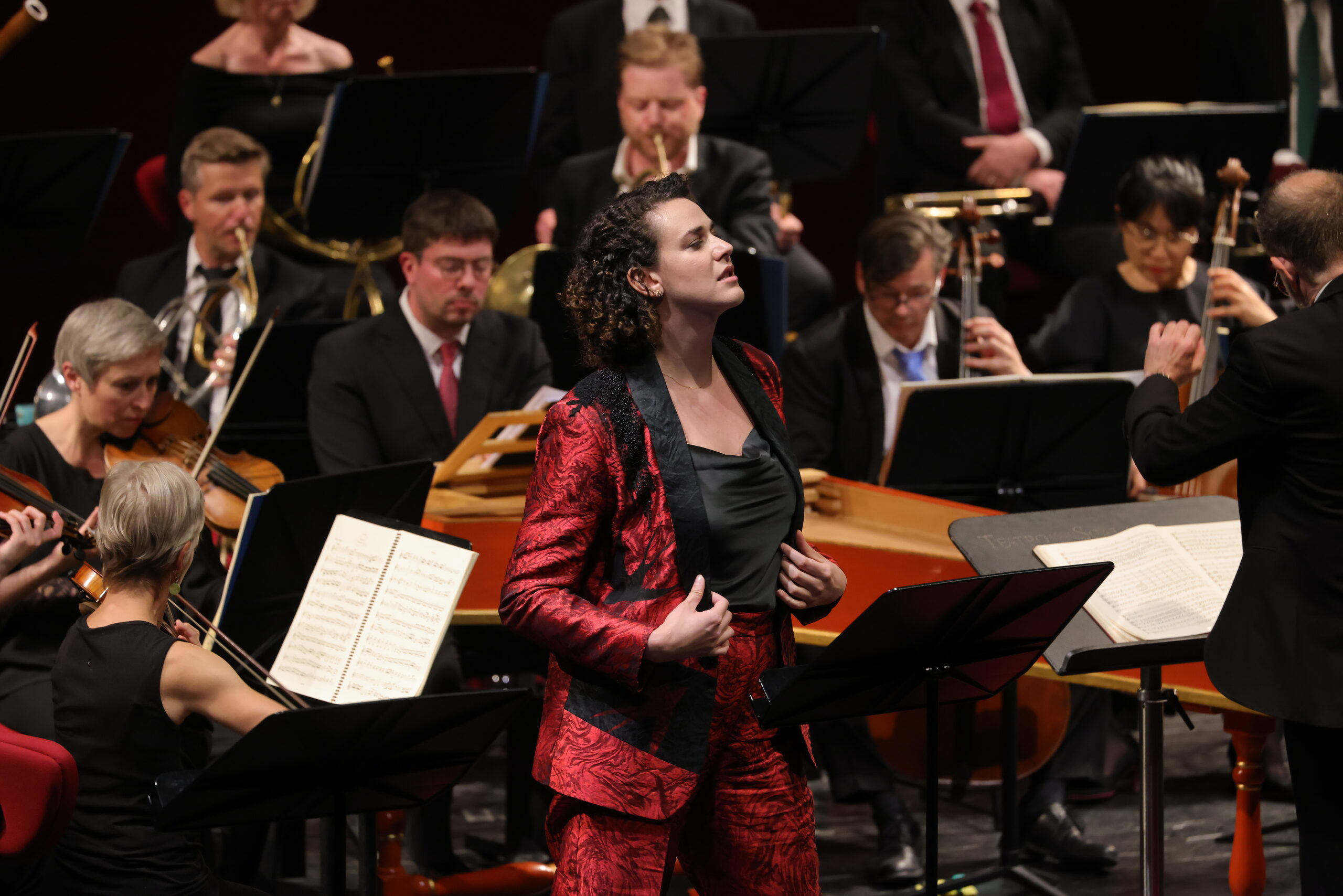
Canadian contralto Rose Naggar-Tremblay is 33 years old. She trained at McGill University and then at the Atelier lyrique of the Opéra de Montréal before stepping into the spotlight in February 2025: propelled urgently forward by the trust of the production’s conductor, Christophe Rousset, she took over at the last minute the title role of Handel’s Giulio Cesare in Toulouse, although she had originally been hired to sing Cornelia. This experience cemented her bond with Handel, to whom she now dedicates her first album, Haendel gourmand, released by Arion in November 2025. In this interview, the singer looks back on her work on prosody, her psychological approach to roles, her French-Canadian roots, and the dual path she cultivates between opera and chanson, between feats and intimacy.
Why choose Handel for a debut album?
Rose Naggar-Tremblay: As a young contralto, he is the composer most likely to offer me leading roles! It’s a repertoire I love and in which I feel good these days; I chose only roles that I’ve already sung or plan to sing. And Handel keeps my voice healthy—I like returning to him even when I’m singing Romantic repertoire: he requires agility, line, and a sense of declamation for the recitatives. In his operas, you have to dare contrasts and colours; you can never have too much of them!
And this title for your album, Haendel gourmand?
R. N.-T.: For me, Handel is holiday repertoire: you welcome friends into your home, you cook a good meal, it’s linked in my imagination to indulgence. And then you always want more! My wish is that my album can accompany those moments of joy. I’ve read some articles saying he was also a composer who loved good food, but this “gourmandise” is above all the pleasure of our approach.
What does the Orchestre de Chambre de Toulouse bring to this recording?
R. N.-T.: Like me, they are curious musicians who try their hand at many things while working very seriously: for this recording they played on period instruments at A=415 (baroque pitch, a semi-tone below modern pitch). We approached this music in the same way, with the humility of knowing we were not specialists, but seeking advice to get as close as possible to what’s right. With a chamber orchestra, there’s immediate listening, a shared working rhythm, and also that reactivity which is essential in early music. Incidentally, for this recording there was no conductor; the concertmaster gave the cues.

Passionate about early music and want to read this subscriber-only article?
If you are not a subscriber, join the international Total Baroque community. Subscribe here from 5.00€.
I subscribe
If you are already a subscriber, sign in.
I sign in 

You must be logged in to be able to post comments.
Sign in