


 For thirteen years now, the voices of Voces Suaves have been exploring early music, from madrigals to Bach’s masters, combining musical integrity with sonic hedonism.
  By
By 


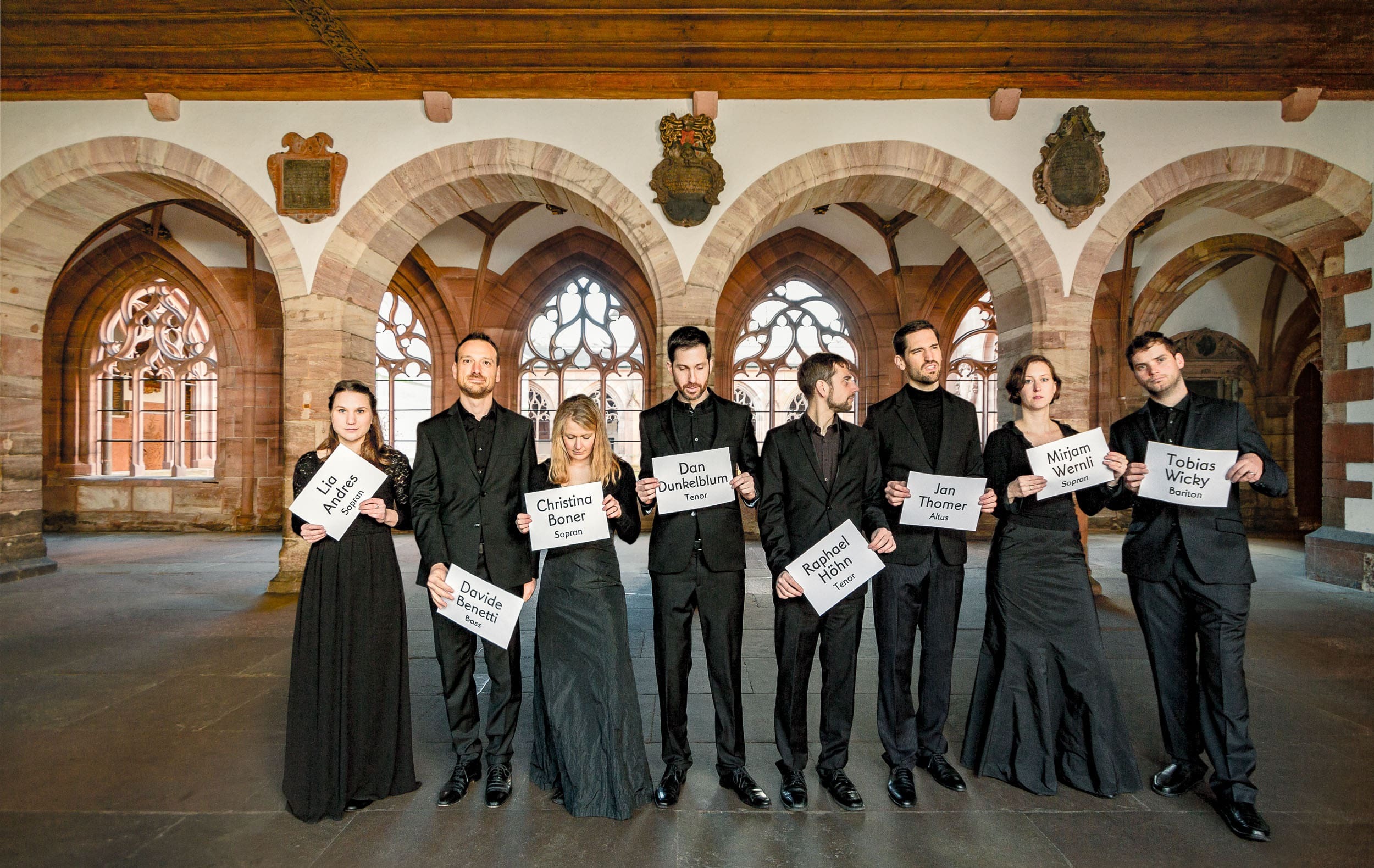
The Swiss ensemble, born in 2012 from the meeting of a few students, is performing around fifty concerts across Europe this year. They tell us about their beginnings, their thirst for new repertoires, and the burden of administrative work.
A Story of a Train, Administration, and an Unknown Swiss Composer
The story of Voces Suaves began in 2012 on a Swiss train—the one that 21-year-old Tobias Wicky took several times a week from Basel, where he lived, to Lucerne, where he was studying at the University. During these journeys, he was constantly musing on a project that would provide him with a steady income. This is how the idea of creating a vocal ensemble with a few friends, fellow students in Lucerne, was born. Two years later, Voces Suaves was officially founded at the Schola Cantorum Basiliensis. The early days were tough, Tobias recalls: “For our first concert, there were 14 of us on stage… and only six audience members! But we persevered. And what’s wonderful is that 13 years later, all five founding members are still part of Voces Suaves.” Basel, where the ensemble is based, has proved to be a favourable location, home to the renowned Schola Cantorum Basiliensis and numerous early music ensembles and institutions. Most of the singers in the group have ties to it.
Sharing the Artistic and the Administrative
In 2014, Voces Suaves was selected for Eeemerging, the European program for young emerging ensembles led by the Festival d’Ambronay, which proved to be a real turning point. “Through the programme, we became aware of the importance of the administrative and communication aspects of running an ensemble. Today, I would say that the artistic side makes up only 5% of the challenges, while 95% of the workload is administrative: accounting, management, relationships with agents, festivals, and production companies.” A unique feature of the ensemble is that each of its eight permanent members has a small organizational or administrative role to fulfil.

Passionate about early music and want to read this subscriber-only article?
If you are not a subscriber, join the international Total Baroque community. Subscribe here from 5.00€.
I subscribe
If you are already a subscriber, sign in.
I sign in 

You must be logged in to be able to post comments.
Sign in