From Seville to Barcelona, from Granada to Alcobaça or Marvão, every summer the Iberian Peninsula brings together early music and living heritage. Gardens, palaces, cloisters, monasteries, and fortified towns serve as the setting for medieval, Renaissance, and Baroque repertoires, blending sacred fervour, polyphonic tradition, and open-air musical evenings.
The 15 festivals are presented in the order in which they open, from May to October. The contents below list them all and allow you to go directly to each entry, where you will find the dates, venues, artists and main highlights. Wishing you a wonderful summer of music!
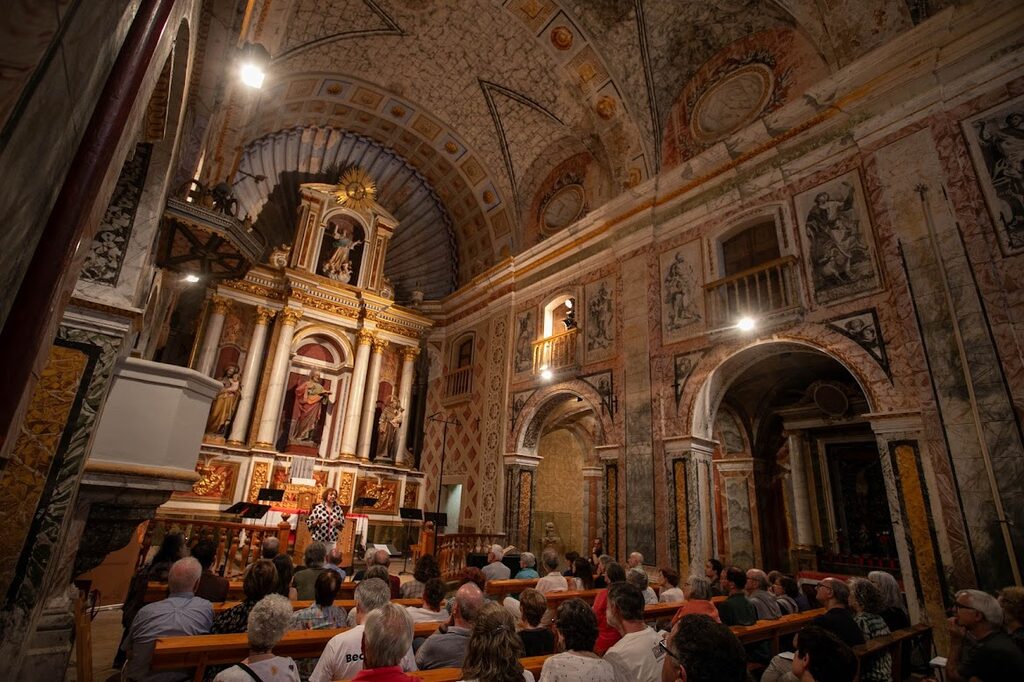
The 9th edition of this unique festival, devoted not only to baroque music but also to local cuisine, may be seen as the prelude to Spain’s summer music festival season. Concerts take place over five weekends in twenty towns in the heart of Catalonia, at the foot of the Pyrenees, a region with a rich baroque artistic heritage that has survived the ravages of time and war. Each concert is accompanied by a gastronomic tasting linked to the programme. Artistic, social and educational activities complement the musical offering. This year’s edition is devoted to the world of sleep and dreams. Established artists perform alongside newcomers, sometimes within the same programme, as in “Goldberg en dansa”, where rising star Rodrigo Belío will perform Bach’s Goldberg Variations danced by Cesc Gelabert, fifty years his senior. La Grande Chapelle, the Orquesta Barroca de Sevilla and Montserrat Torrent—doyenne of Spanish organists, who turned 100 in April—have already appeared this year. Highlights of the festival’s second half include “Oneiroi”, a recital by countertenor Xavier Sabata accompanied by Dani Espasa and Lluís Coll, and Monteverdi’s Il combattimento di Tancredi e Clorinda, performed by Ensemble Contratemps.
The historic Granada International Festival of Music and Dance is not specifically devoted to early music, yet its highly varied programme includes concerts of medieval, Renaissance, and baroque music performed in some of the city’s most beautiful monuments. The festival’s 75th edition—and the 500th anniversary of Emperor Charles V’s visit to Granada during his honeymoon—will be celebrated through a series of concerts, the first of which will take place at the Palace of Charles V within the Alhambra, promising a staged reenactment of his coronation as Holy Roman Emperor, with the music performed for the occasion in Bologna in 1530. The midday concert series features a recital by Olivier Latry, organist of Notre-Dame de Paris, and a concert devoted to the music of Agostino Steffani by Capilla Santa María, conducted by its director Carlos Mena. Malandain Ballet Biarritz, in collaboration with the Academia Barroca del Festival de Granada led by Aarón Zapico, will present The Seasons, with music by Antonio Vivaldi and Giovanni Antonio Guido, at the open-air theatre in the Generalife gardens.
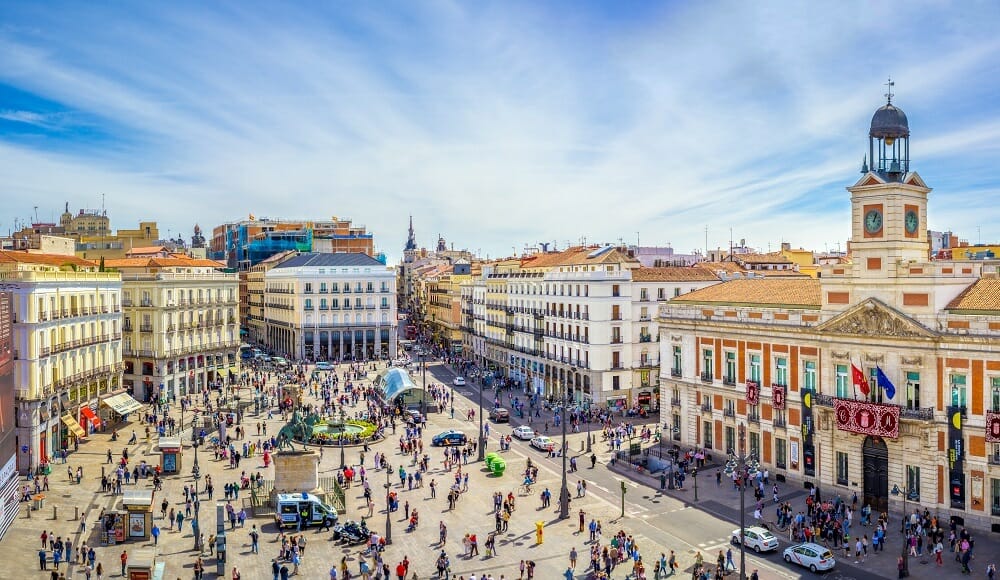
Now firmly established within Madrid’s musical landscape, Música Antigua Madrid (MAM) presents six concerts for its 7th edition this year at the Teatro Fernán Gómez, Centro Cultural de la Villa, highlighting music from the 17th and 18th centuries. The festival opens with a programme devoted to the works of Arcangelo Corelli by El Gran Teatro del Mundo. Camerata Iberia will perform works from the Viceroyalty of Peru, including works by Tomás de Torrejón y Velasco and Sebastián Durón. The award-winning ensemble Brezza will perform quartets by Jean-Baptiste Quentin le Jeune, written for traverso, violin, viola da gamba, and harpsichord. Tamar Lalo and her ensemble Echo et Dulce devote their programme to the works of Giuseppe Sammartini. “Panamericana, Lookingback”, a project directed by German multidisciplinary musician Andreas Prittwitz, will bring a contemporary perspective to the music imported into the Americas during colonisation. The festival closes with a recital by brothers Pablo and Daniel Zapico, performing works by Filippo Dalla Casa and Antonino Reggio. Concerts take place in an intimate and unpretentious venue on Plaza de Colón, near the city’s main museums and Retiro Park.
The Música Antigua Xixón festival (MúAX), devoted to music from the Middle Ages, the Renaissance and the baroque period, will dedicate its 29th edition to the role of women in early music, from different perspectives and with the participation of renowned artists and specialists. The festival brings together chamber ensembles and small orchestras, seasoned performers and emerging artists during a week of intense musical, artistic and educational activities combining concerts, courses and workshops. This summer will also see the integration of early dance for the first time. A parallel series of musical activities is offered for children aged 6 to 12: the Peque Festival Antiqvo, whose participants will stage a musical production on the final day. Most concerts take place at the Centro de Cultura Antiguo Instituto, an 18th-century historic monument in the city centre designed by Juan de Villanueva, architect of Madrid’s Museo del Prado.
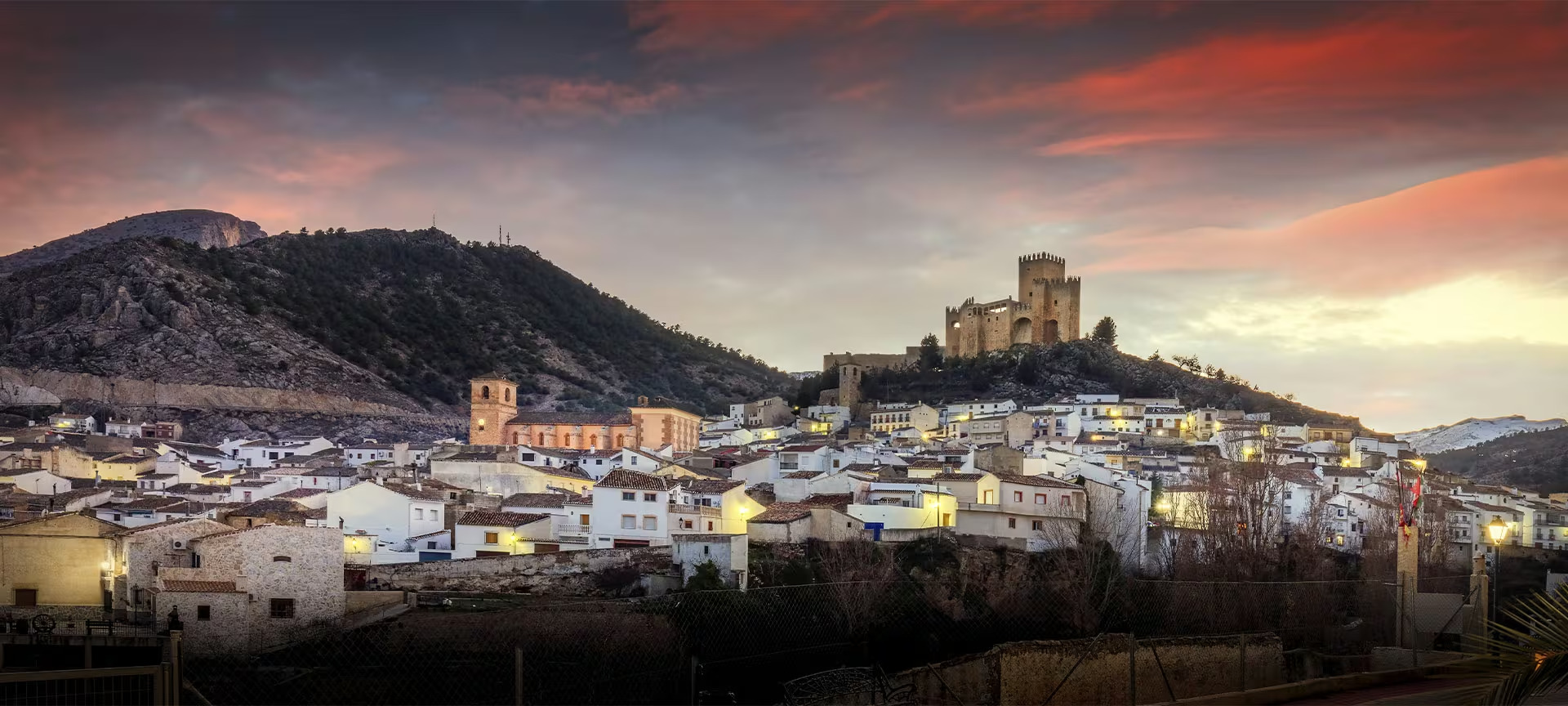
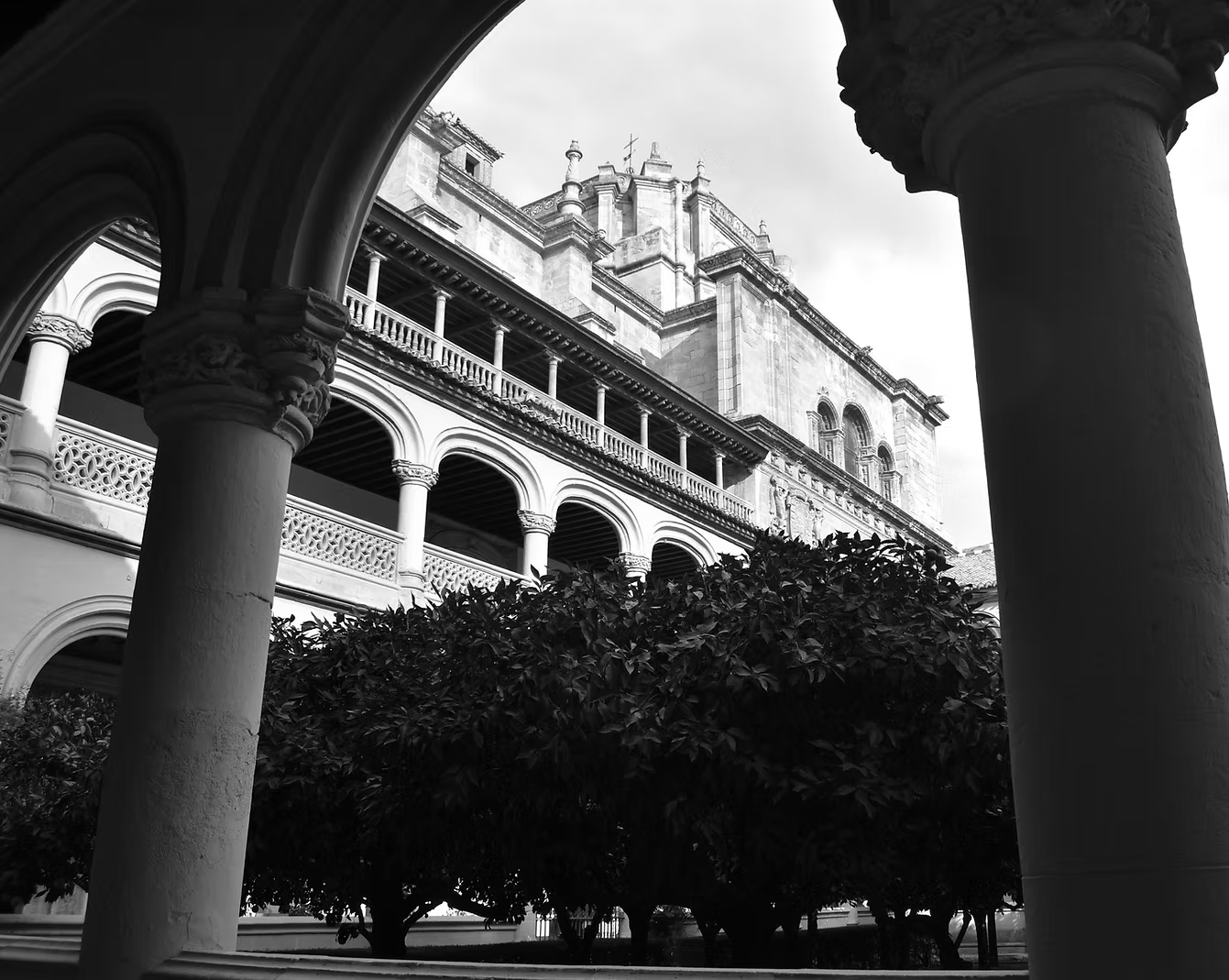
Under the theme “Celebraciones”, the 25th edition of the Festival de Música Renacentista y Barroca de Vélez-Blanco will explore the many ways music was used to celebrate major events. Most concerts will take place in the church and cloister of the 16th-century Convent of San Luis. Highlights include a recital by countertenor Manuel Ruiz alongside Darío Tamayo’s Íliber Ensemble, featuring arias by Handel, Vivaldi, and Hasse; a chamber music programme designed around Elisabeth Farnese, who brought her Italian musical tastes to Spain upon marrying King Philip V, performed by violinist Jorge Jiménez’s Tercia Realidad; and Alessandro Scarlatti’s oratorio Il martirio di Santa Teodosia, composed in 1684, performed by Eduardo López Banzo and Al Ayre Español. The festival academy, which has revived a strong local musical tradition, will focus this year on Purcell’s Dido and Aeneas, presented in concert version under the direction of Aarón Zapico on the final evening.
Tenor and conductor Lluís Vilamajó will open the 14th edition of Bachcelona with a programme of Bach cantatas performed by members of the 2026 Bachcelona Akademie at L’Auditori. Bach cantatas will also close the festival during a concert at the Museu de la Música, within the same complex, performed on instruments from its own collection. In between, three further concerts are scheduled: an eight-part requiem mass by Joan March (1582–1658) at Sala Parés; “Breaking Bach”, a Bach-Hindemith programme for viola performed by Isabel Villanueva at the city’s iconic Mies van der Rohe Pavilion; and a chamber music concert by Norwegian baroque ensemble Barokkanerne with soprano Johanna Falkinger. Two film screenings are also planned: Pier Paolo Pasolini’s The Gospel According to St Matthew, whose soundtrack prominently features Bach, and Buster Keaton’s The General, accompanied by a newly composed score inspired by Bach. “Swing Bach!”, a dance jam session within the remarkable Art Nouveau Sant Pau hospital complex, completes the programme.
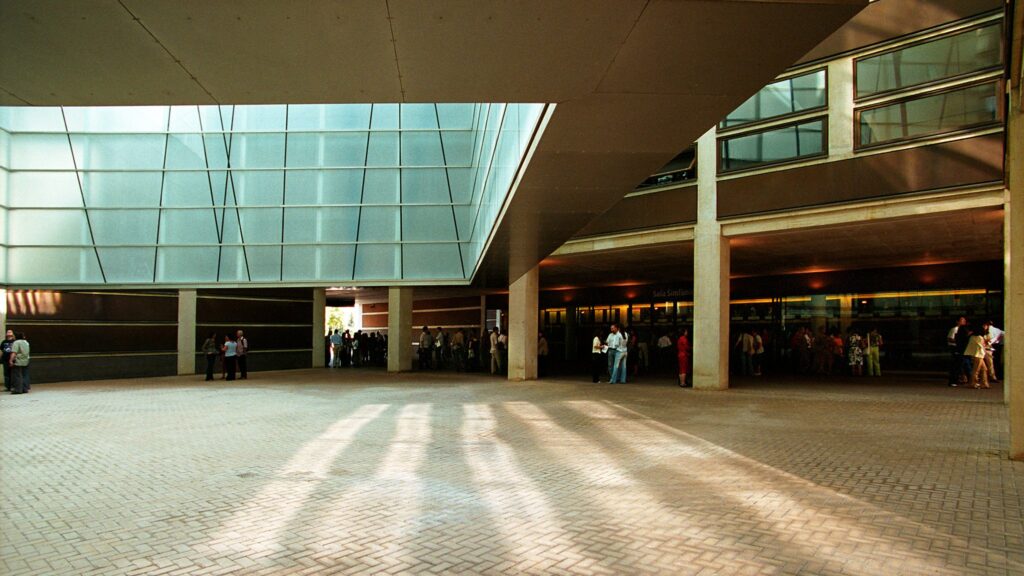
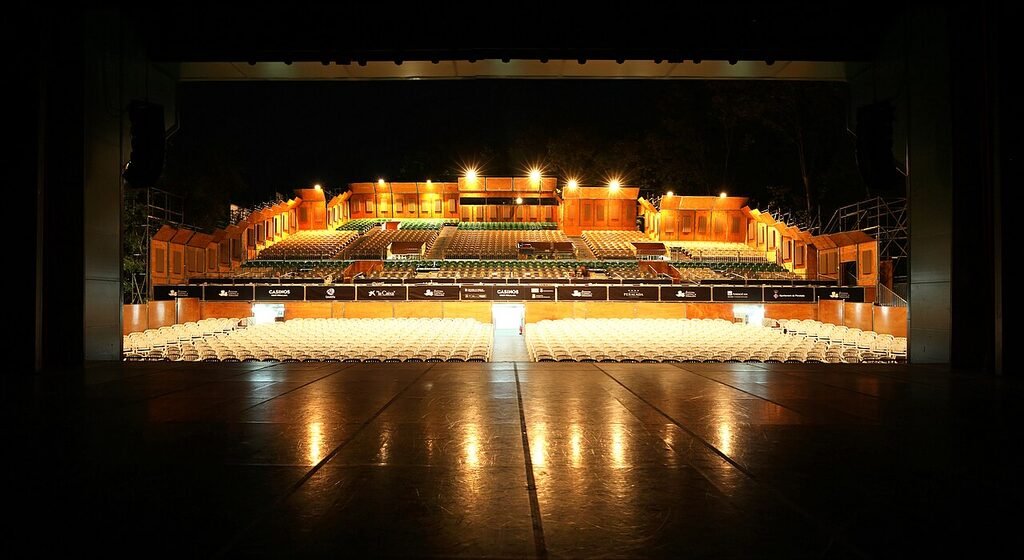
The highly eclectic programme of the festival’s 40th edition includes two baroque concerts this summer. “4 Danced Seasons” is a hip-hop reinterpretation of Vivaldi’s famous concerto cycle, choreographed by Mourad Merzouki, with Le Concert de la Loge directed by Julien Chauvin. The closing concert in Peralada this year will be a recital by soprano Núria Rial with Les Musiciennes du Concert des Nations, directed by Jordi Savall.
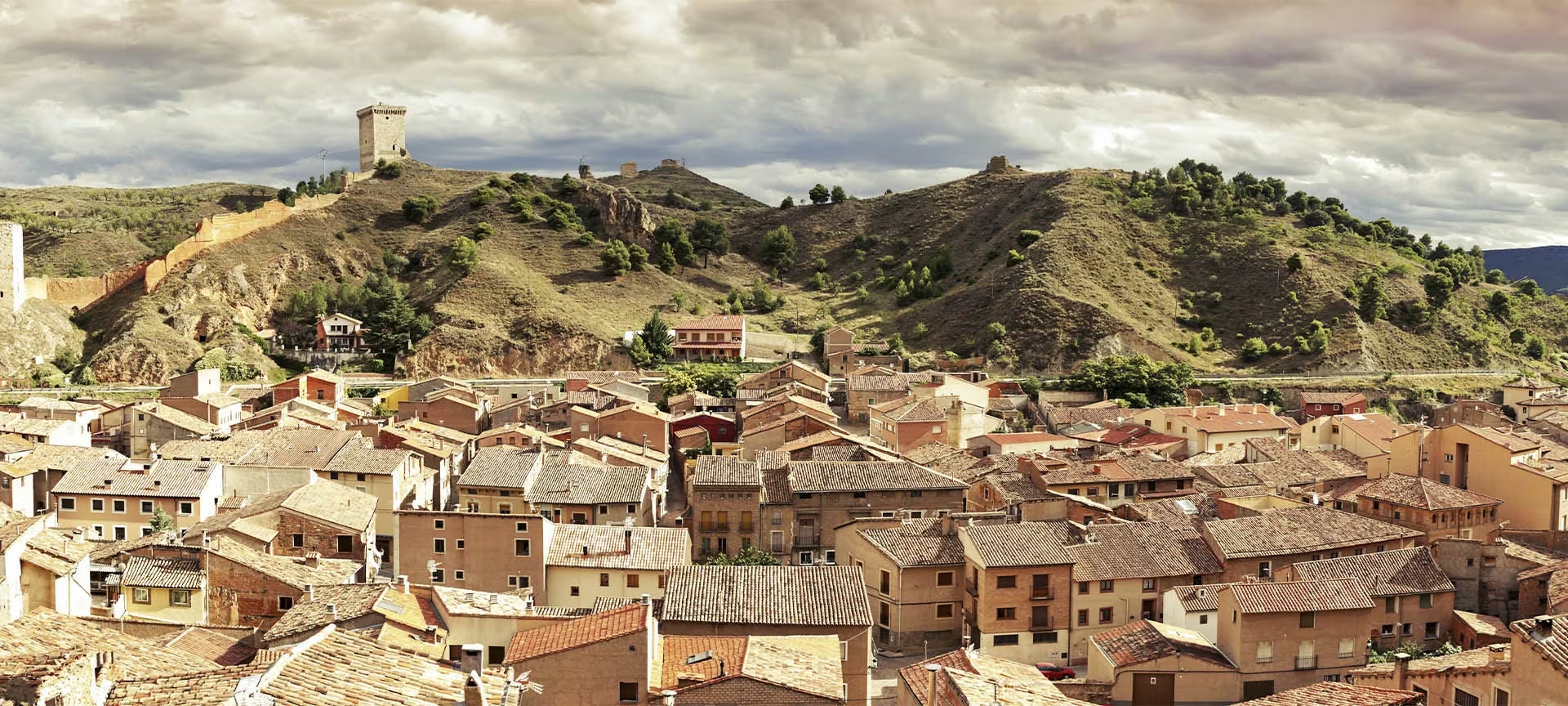
One of Spain’s oldest early music festivals, Música Antigua Daroca is distinguished by its accompanying international course bringing together renowned early music specialists from around the world. They teach students of all levels—beginner, intermediate and advanced—in the mornings and afternoons before performing in the town’s churches in the evenings. Among this year’s faculty are Furio Zanasi for baroque singing; Luis Antonio González for chamber music and vocal and instrumental ensembles; and Juan Carlos de Mulder for plucked string instruments. From August 3 to 10, this 48th edition will spotlight the music of John Dowland and Charles Burney, while also celebrating the 400th anniversary of the publication of Facultad orgánica by Sevillian organist Francisco Correa de Arauxo.
The Festival Internacional de Santander is one of Spain’s major classical music festivals. Its main programme is generally devoted to the traditional symphonic and piano repertoire, although there is also space for opera, flamenco and other Iberian traditional musics. For this 75th edition, two baroque productions have found their place at the Palacio de Festivales: Le Carnaval baroque by Le Poème Harmonique directed by Vincent Dumestre, and Purcell’s Dido and Aeneas, choreographed by Blanca Li to a recording by William Christie’s Les Arts Florissants. There is also a parallel programme entitled “Marcos Históricos”, presenting more than 30 concerts in historic monuments throughout the Cantabria region, with a strong early music presence. Highlights include appearances by La Real Cámara, La Ritirata, Pablo and Daniel Zapico, Capella de Ministrers, Juan de la Rubia and Marco Mezquida, Vincenzo Capezzuto and Giancarlo Bianchetti, Musica Ficta, and the centenarian organist Montserrat Torrent.
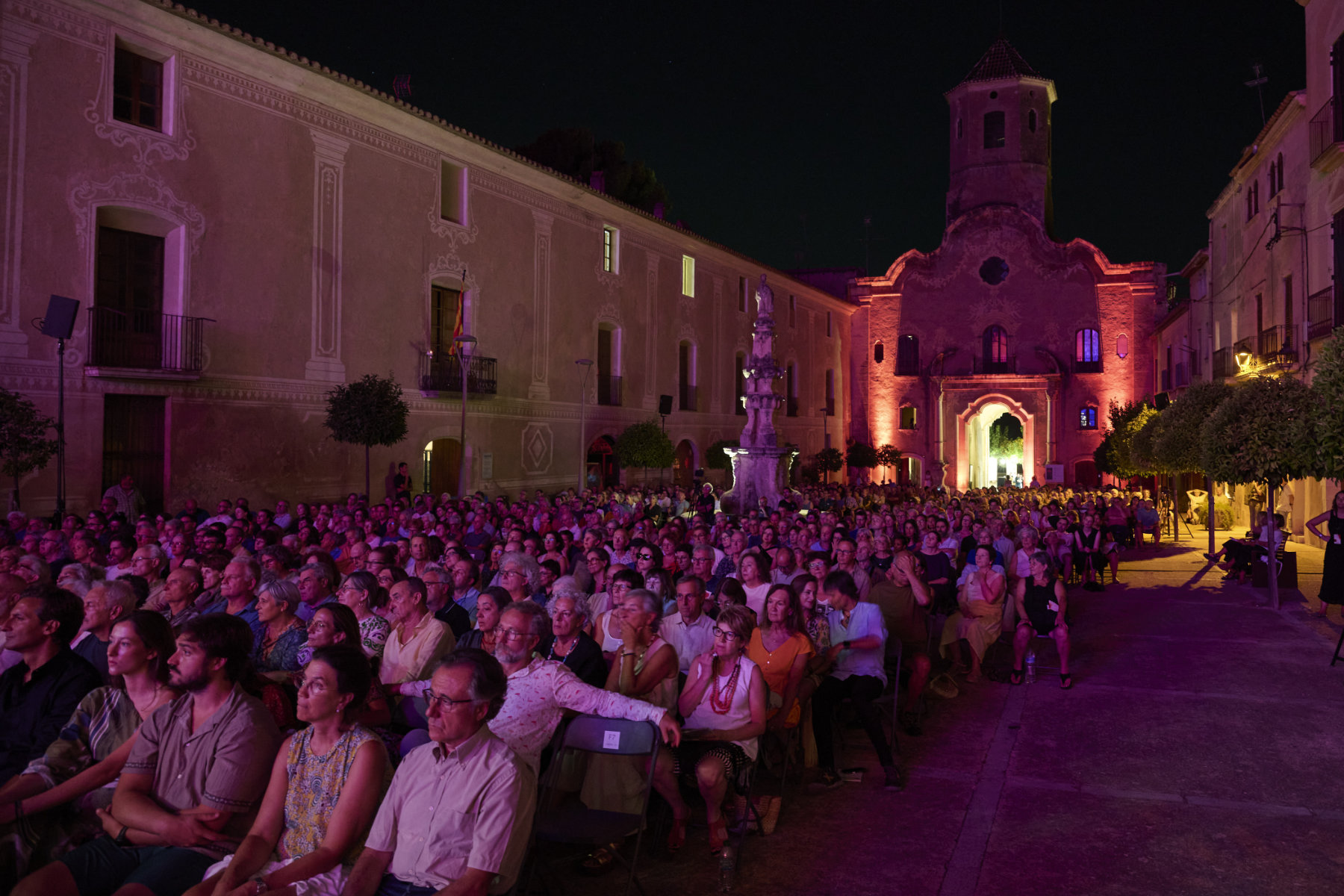
The festival’s 6th edition will once again inhabit the great monastic and medieval sites of Catalonia—around the Royal Monastery of Santes Creus, as well as Montblanc, Valls, and Alcover. Its theme this year is the total solar eclipse that will sweep across northern Spain on August 12. A special concert will take place that evening at a secret location. On the programme: a theorbo and guitar recital featuring works by Handel and Purcell performed by Josep Maria Martí… and special glasses for observing the solar eclipse! Other concerts include a celebration of Elcano’s circumnavigation more than 500 years ago by Euskal Barrokensemble; an opera aria recital by Núria Rial; a tribute to Copernicus, with music from his era performed by Polish soloists, La Capella Reial de Catalunya and Hespèrion XXI under Jordi Savall; Bach’s cello suites performed by Christophe Coin; and an organ recital by the centenarian Montserrat Torrent, accompanied by one of her most renowned pupils, Juan de la Rubia.
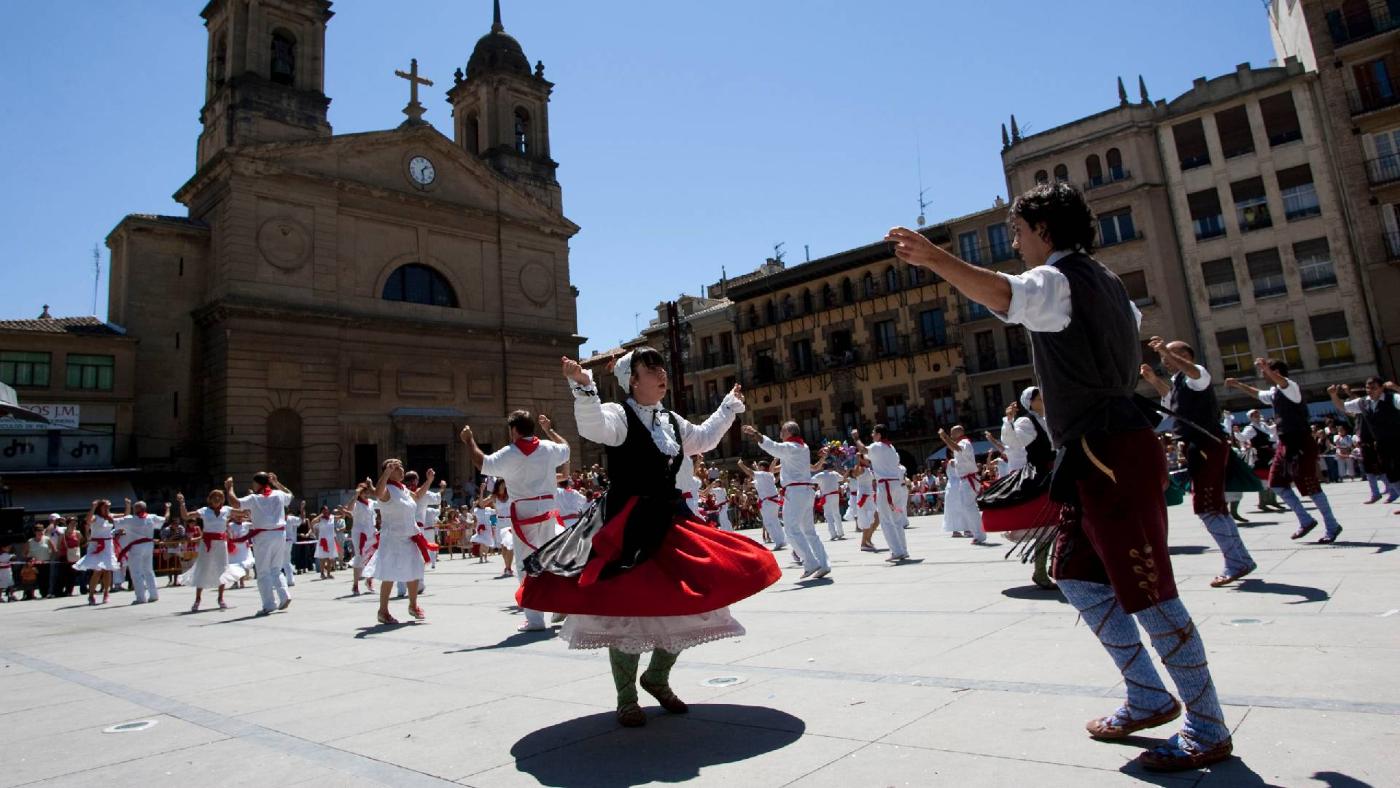
The 57th edition of the Semana de Música Antigua de Estella-Lizarra in Navarre, one of Spain’s oldest music festivals, will begin on the first weekend of September to the sound of all the church bells of this major stop on the pilgrimage route to Santiago de Compostela, a UNESCO World Heritage Site. Under the artistic direction of Navarrese soprano Raquel Andueza since 2020, the festival organises concerts in the churches of Estella-Lizarra and sometimes extends to neighbouring towns.
Founded in 2024 by Granada harpsichordist Darío Tamayo, this sacred music festival seeks to celebrate spiritual diversity and intercultural dialogue through music. One of its core missions is the preservation and dissemination of musical heritage, particularly that of baroque Spain and Spanish America. Concerts take place in historic monuments throughout the city, such as the Real Monasterio de San Jerónimo, Santo Domingo Church and the Royal Chapel adjoining the cathedral. The festival’s 3rd edition this year will present five concerts, the last directed by Tamayo himself with his ensemble Íliber: “Ardientes”, a pasticcio made up of 17th-century oratorios by Italian composers. Full details of this year’s edition will be announced in September.
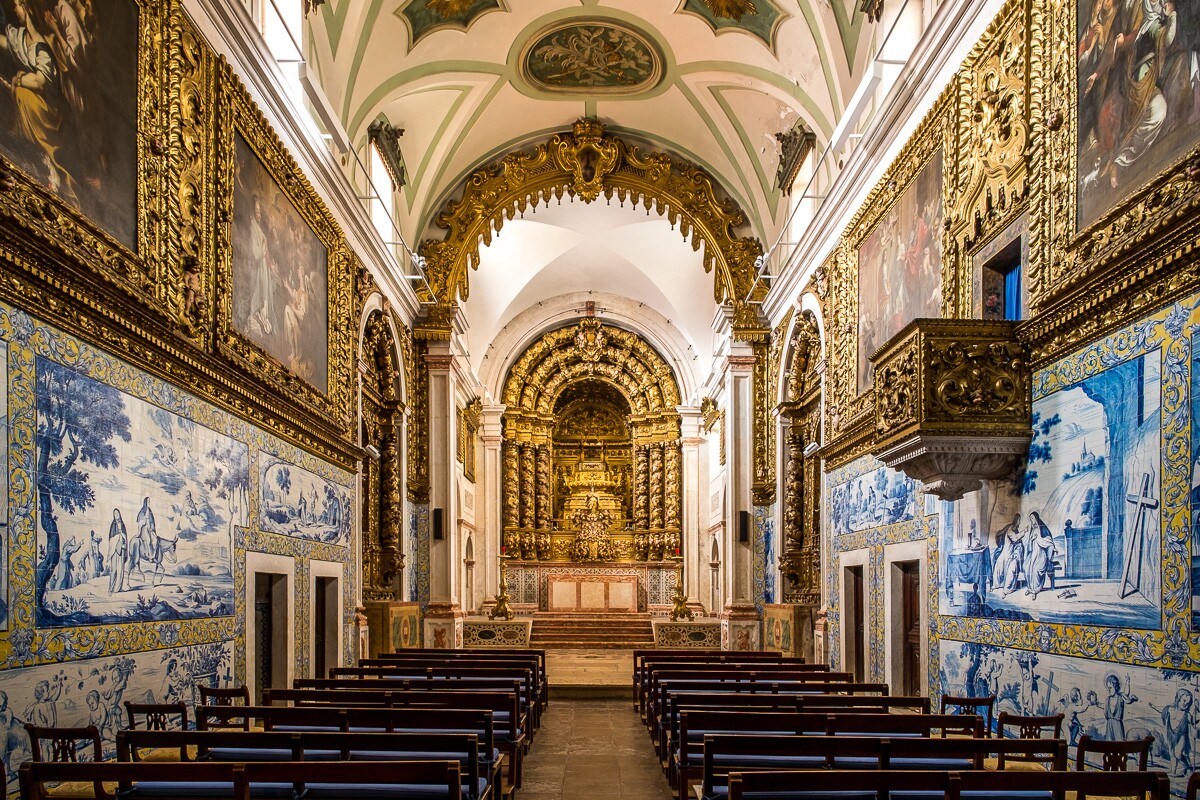
After concerts at the baroque Convento dos Cardaes, one of the few buildings to survive the 1755 earthquake, and at Loreto Church, the Lisboa Música Antiga festival concludes on June 6 with Handel’s L’Allegro, il Penseroso ed il Moderato at the São Luiz Teatro Municipal, performed by Divino Sospiro, the Nova Era Vocal Ensemble, Valentina Varriale, Giulia Bolcato, Candida Guida, Benoît-Joseph Meier and Sergio Foresti under the direction of Massimo Mazzeo. Two days later, the same musicians and singers will reprise the programme at the Halle Handel Festival in Germany.
Probably Portugal’s most important music festival, Cistermúsica offers a rich and highly eclectic programme built around the theme “Ressurreição”, by no means limited to classical music. Most of the more than 40 concerts scheduled this year take place in the monastery, a UNESCO World Heritage Site. Five are devoted to early music, including the opening concert on June 26: a performance of Bach’s Mass in B minor by the Ludovice Ensemble. On July 5, Cupertinos will perform Marian chants from the golden age of Portuguese polyphony. Cantoría (July 12), O Bando de Surunyo (July 19), and Vocal Ensemble (July 23) complete the early music offering.
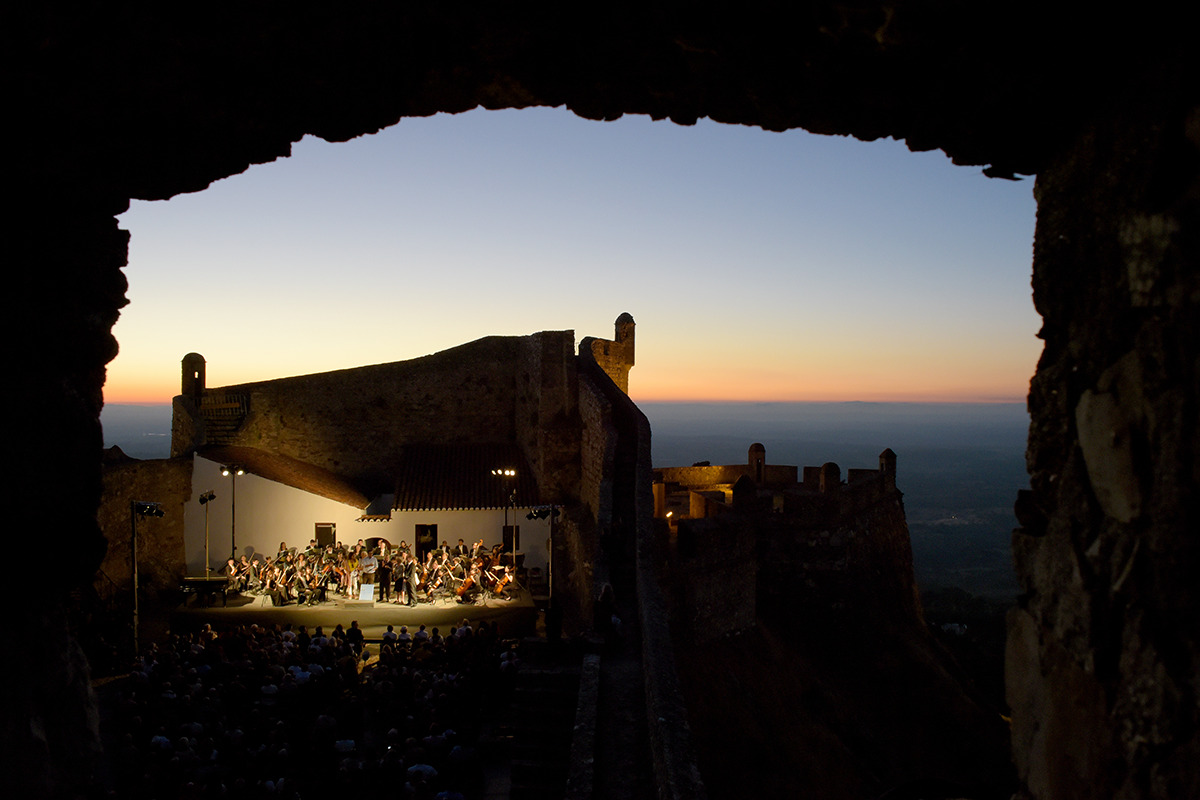
Founded in 2014 by German conductor Christoph Poppen and co-directed by soprano Juliane Banse, this festival does not focus specifically on early music, but on July 25 it will present a concert by the renowned vocal ensemble Cupertinos, specialists in Portuguese musical heritage, performing Marian devotional works from the golden age of Portuguese polyphony in the church of the Convento de Nossa Senhora da Estrela. The festival programme is intense, with up to four concerts per day held in local churches as well as in the castle overlooking this picturesque fortified medieval town in the Parque Natural da Serra de São Mamede, in Alto Alentejo.


 From Seville to Barcelona, from Granada to Alcobaça or Marvão, every summer the Iberian Peninsula brings together early music and living heritage. Gardens, palaces, cloisters, monasteries, and fortified towns serve as the setting for medieval, Renaissance, and Baroque repertoires, blending sacred fervour, polyphonic tradition, and open-air musical evenings.
  By
By 








You must be logged in to be able to post comments.
Sign in