


 Musicians of the seventeenth and eighteenth centuries criss-crossed Europe, shaping a baroque tradition in constant motion. It is this musical geography that the next edition of “Mars en Baroque” (France) sets out to highlight, under the impetus of its artistic director, harpsichordist Jean-Marc Aymes.
  By
By 


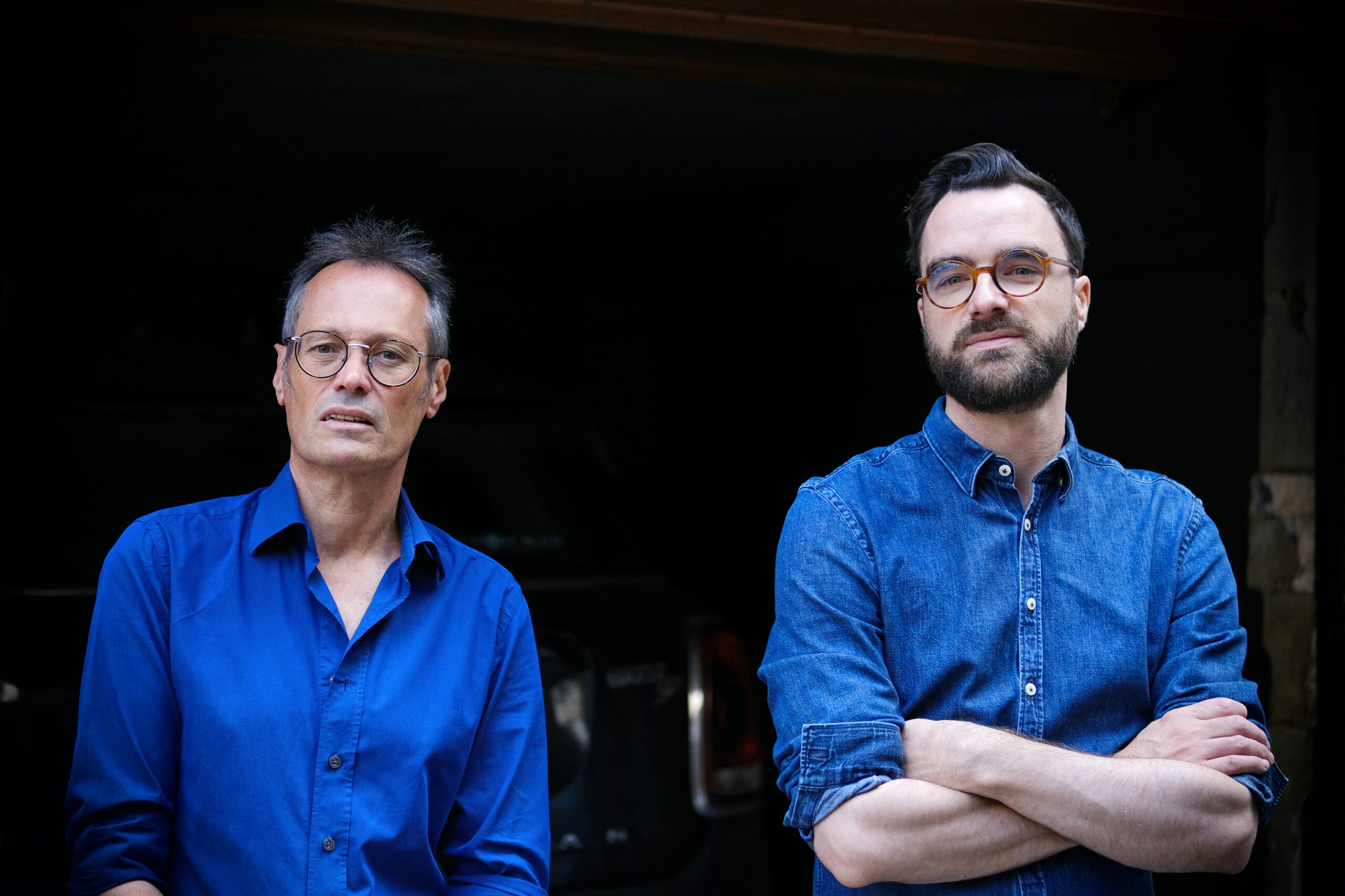
Manuscripts painstakingly copied, traveling artists, active printing centres from Rome to Amsterdam: long before modern instantaneity, baroque music spread through a patient and fascinating network of circulation. A Marseille festival dedicated to the repertoires of the seventeenth and eighteenth centuries, Mars en Baroque (March 1–27, 2026) explores these ramifications this year by tracing the trajectories of Handel, Alessandro Scarlatti and Bach, and the way in which each territory appropriated a shared “essence” built on basso continuo, ornamentation and improvisation—an intermingling that resonates in a singular way with Marseille’s own port history. A conversation with its artistic director, harpsichordist Jean-Marc Aymes.
How was music disseminated across Europe, in a time far removed from the digital age?
Jean-Marc Aymes: Music circulated from one country to another through handwritten scores that people copied out. Then, from the sixteenth century onwards, music printing amplified this dissemination, particularly of Italian music, since there were major printing centres in Rome and Venice, and even in Flanders and Amsterdam. Of course, the artists themselves travelled. In the seventeenth century, for example, tours were organised for the German musician Johann Jakob Froberger to Paris, London and Brussels—rather like today, but at a much slower pace! In France, Cardinal Mazarin brought over many Italian artists, such as Luigi Rossi and Francesco Cavalli, imposing the transalpine operatic model—an impetus from which a paradox would emerge: that of an Italian, Jean-Baptiste Lully, called upon to found the French musical style… Likewise, at the Viennese court, virtually all the Kapellmeisters were of Italian origin.
Did these exchanges inspire the programming of Mars en Baroque 2026?
J.-M. A.: Marseille has long been a city of exchange and multicultural mixing, which makes it a privileged observatory from which to think about the circulation of musical styles in Europe. Romain Bockler, who co-directs the festival with me, had the ever-enthusiastic desire to introduce other sound worlds, in natural continuity with this history of dialogue and influence. We wanted to show how this baroque essence, linked to basso continuo and to practices of ornamentation and improvisation, took shape in different places across Europe and in different ways, in order to make perceptible—on the scale of a single concert—this vast network of exchanges. For example, in our programme “Airs et lamentations”, to be performed on March 1, it is interesting to compare, in the year 1696, the music of two composers: one German, Philipp Heinrich Erlebach, and the other Italian, Gaetano Veneziano. The former, in Thuringia, practises the accompanied air within a very German tradition, while the latter, in Naples, composes works for monasteries for Holy Week that really verge on opera, thus illustrating two ways of appropriating a shared baroque grammar.
Passionate about early music and want to read this subscriber-only article?
If you are not a subscriber, join the international Total Baroque community. Subscribe here from 5.00€.
I subscribe
If you are already a subscriber, sign in.
I sign in 
You must be logged in to be able to post comments.
Sign in