


 By
By 


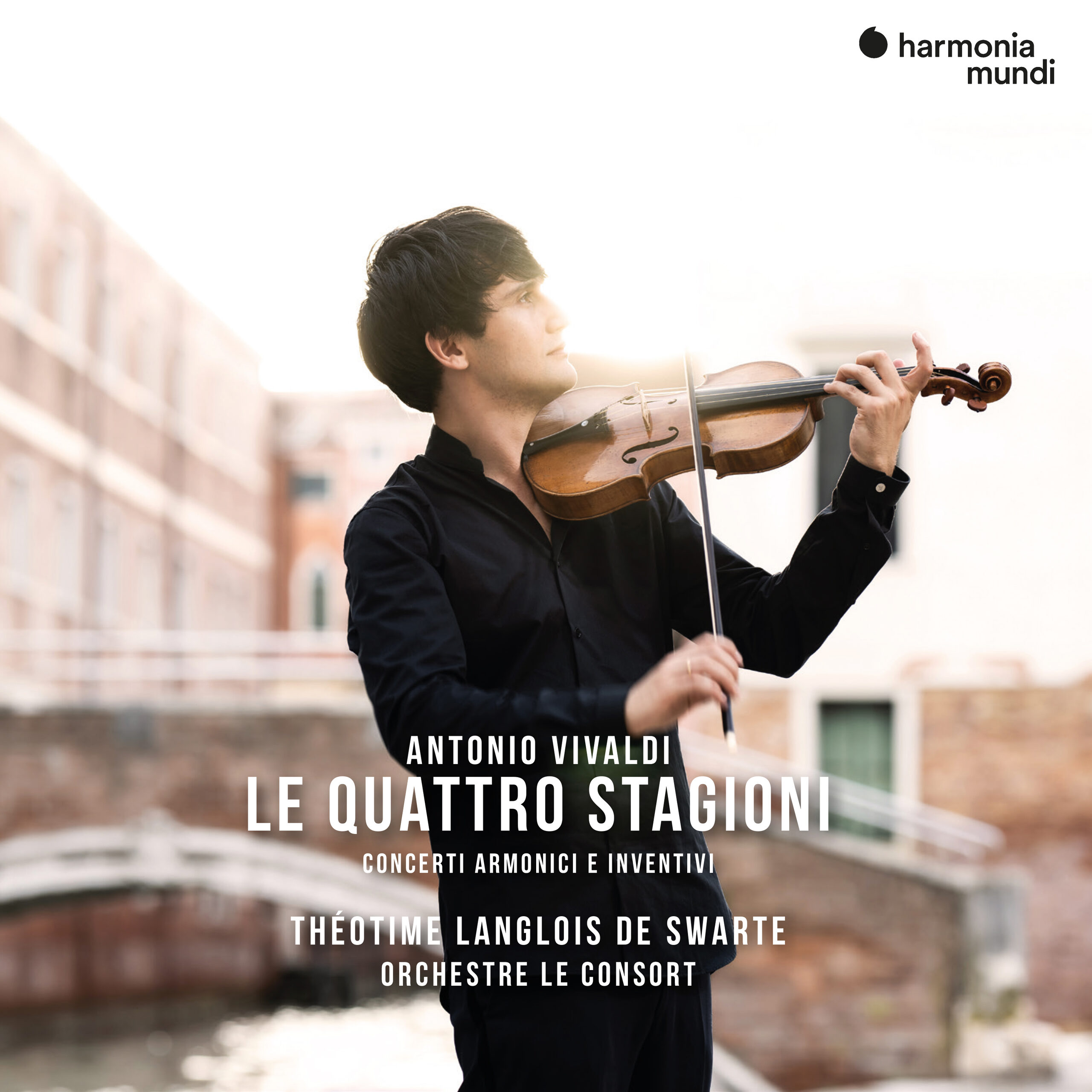
well-known pieces, others unknown, and a highly personal interpretation of Vivaldi’s iconic Four Seasons. Three questions for Théotime Langlois de Swarte.
Among Vivaldi’s many violin concertos, how did you make your selection?
I wanted to pair The Four Seasons with other works by Vivaldi that share the same sensory universe and the symbolic connections of their tonalities. Spring, for example, is in E major, which also appears in Nulla in mundo pax sincera, the first concerto of the second album. It seemed important to me to highlight works that evoke different moments in Vivaldi’s life, like a Proustian madeleine. I also wanted to include pieces that are never performed, such as those by Gregorio Lambranzi, which offer a glimpse into one of the popular and theatrical dances of the time. My goal was to reveal the folk origins of The Four Seasons and connect them to music more suited to everyday life and pantomime.
How does one stand out today among the countless existing interpretations of Vivaldi’s concertos? What was your interpretative approach?
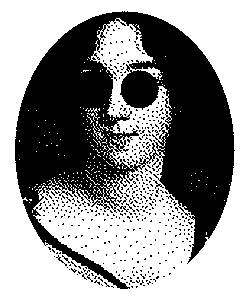
I believe every recording is unique because an interpretation is shaped by the individual identities of all the musicians playing together. It’s a singular snapshot of a moment—in this case, at the Arsenal of Metz, where we recorded the album. To craft a distinct approach in this recording, we delved deeply into organology and the latest musicological research. We also studied original ornamentations that I discovered in the notebooks of Anna Maria della Pietà, Vivaldi’s principal student, which are housed in the library of the Venice Conservatory. With these findings, we opted for a slightly larger ensemble than usual, allowing for a broader palette of colors, from the softest pianissimi to powerful forte passages. The Four Seasons tells slices of life, and life is filled with a multitude of emotions that intertwine. This expanded sonic range enabled us to explore those colors more fully.
In your opinion, why, 300 years after the publication of The Four Seasons, is Vivaldi still so frequently performed and so popular?
Three centuries after the composition of The Four Seasons, Vivaldi remains widely listened to because he wrote some of the greatest Baroque masterpieces for the violin. Everyone can relate to The Four Seasons because it tells the story of life and human experience. I also find that there is a certain simplicity in its ritornellos, rooted in popular music. The rhythm retains its full evocative power. In advertising, for instance, this music is incredibly effective because even a very short excerpt can convey its essence in just a few seconds. It is an exceptionally powerful music, both melodically and rhythmically.
 Press review
“Above all, it is Swarte’s solo playing that steals the show: supple, expressive, wild, and virtuosic. His elastic, almost jazz-like flexibility with the music is particularly admirable.”
BBC Music Magazine
“A highly interesting program with a very personal interpretation of The Four Seasons, alongside well-known and lesser-known pieces that fit perfectly.”
Pizzicato
“An album as original as it is innovative in both conception and interpretation.”
ON-mag.fr
“Théotime Langlois de Swarte offers a refreshing take on Vivaldi’s Four Seasons.”
RADIO classique
“Théotime’s new narrative of the timeless Four Seasons is well worth exploring.”
GRAMOPHONE

You must be logged in to be able to post comments.
Sign in