


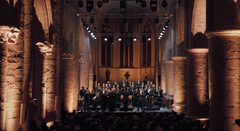
 In Rome in 1708, opera was banned during Lent: Handel seized the opportunity to invent theatre elsewhere. With “La Resurrezione”, first performed on Easter Day under the patronage of Marquis Ruspoli, the young composer transformed the oratorio into a blazing drama, heard here with Accademia Bizantina, Ottavio Dantone and a cast steeped in the Baroque repertoire.
  By
By 


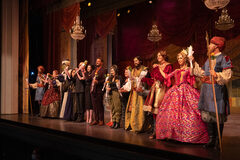
In 1708, the young Handel was staying in Rome, where opera was banned during Lent. Under the protection of Marquis Francesco Ruspoli, he turned instead to the oratorio, a religious genre which nevertheless borrows from opera its theatrical instinct, its passions and its virtuosity. First performed on Easter Day, La Resurrezione recounts the hours following Christ’s death through the figures of Lucifer, an Angel, Mary Magdalene, Mary Cleophas and Saint John. With this flamboyant score, the composer produced one of the masterpieces of his Italian youth and already revealed the dramatic genius that would soon make his name throughout Europe.
One of Handel’s first successes

Passionate about early music and want to read this subscriber-only article?
If you are not a subscriber, join the international Total Baroque community. Subscribe here from 5.00€.
I subscribe
If you are already a subscriber, sign in.
I sign in 

You must be logged in to be able to post comments.
Sign in