


 The festival has an audience that “values scientific depth”, says festival director Bart Demuyt about Laus Polyphoniae, which has been selling out for years.
  By
By 


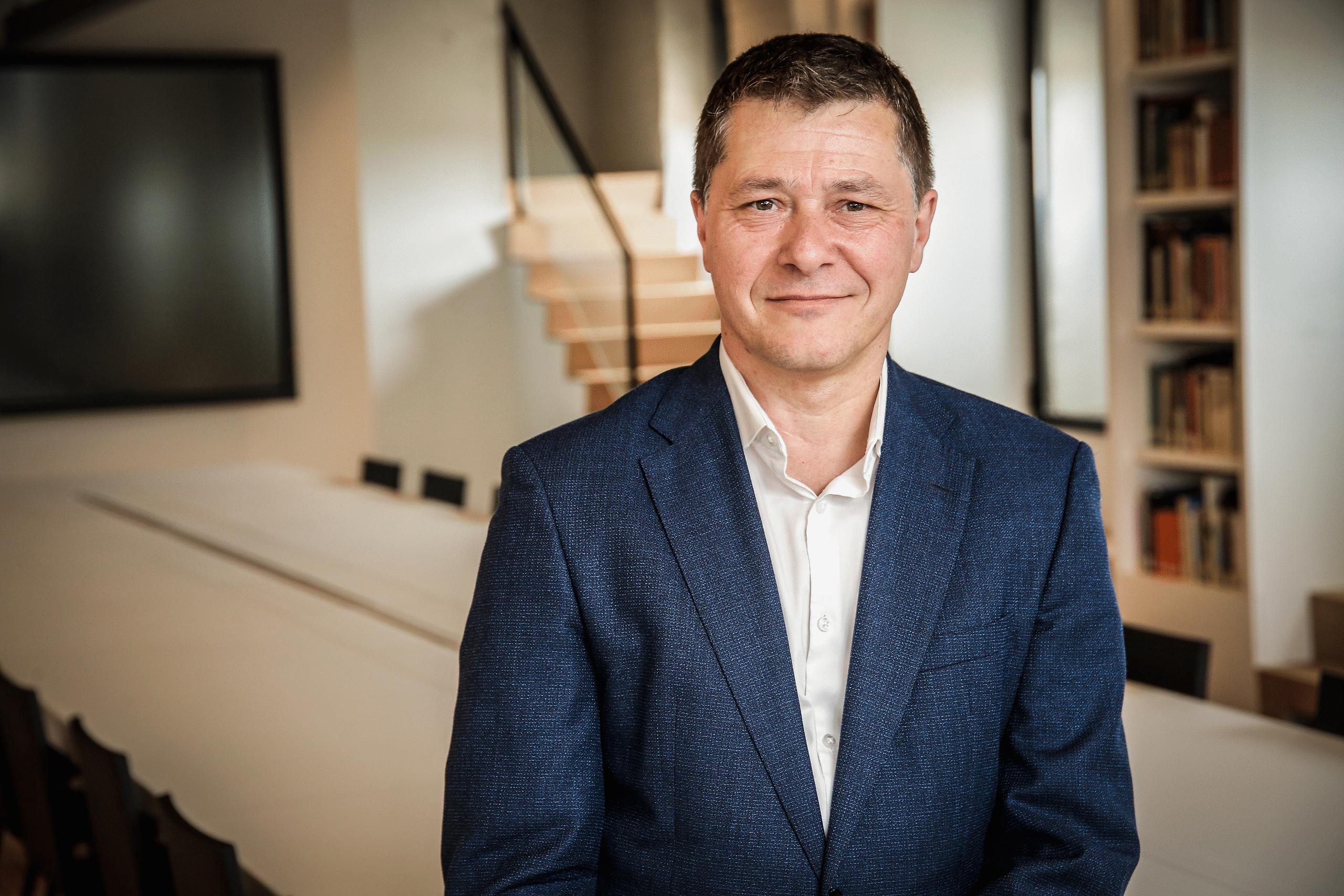
For more than three decades, the Flemish city of Antwerp has boasted a truly unique summer highlight: the Laus Polyphoniae Festival (In Praise of Polyphony)—the only festival in the world entirely devoted to polyphony, and especially to the Renaissance.
That choice seems almost natural in a city like Antwerp, where the old town—with its cathedral, the Rubens House, and various other heritage sites—still bears witness to the radiant Golden Age of Flanders in the 15th and 16th centuries, including the flowering of Franco-Flemish vocal polyphony. Most of the festival’s concerts take place in historic venues and churches, especially in Augustinus Muziekcentrum (AMUZ), a desacralized church that was transformed twenty years ago into a first-class concert hall.
But the Antwerp festival is also unique in terms of programming: instead of endlessly recycling the same mainstream hits of the repertoire in slightly different interpretations, audiences here are rarely offered a piece they’ve heard before. On the contrary, the ten-day festival—which also includes courses for children and amateur musicians, readings and lectures—presents almost exclusively rediscoveries and revivals (the fruit of years of research), all documented in a 700+ page program book.
A programming concept, then, that the average festival curator avoids like the plague. But lo and behold: the audience embraces this depth, bolstered by scholarly side events. Concerts have been so consistently sold out for years that some ensembles have spontaneously added second performances the same evening to accommodate the hopeful ticket-seekers waiting outside. How does Bart Demuyt, artistic director of Laus Polyphoniae, explain this success?

Passionate about early music and want to read this subscriber-only article?
If you are not a subscriber, join the international Total Baroque community. Subscribe here from 5.00€.
I subscribe
If you are already a subscriber, sign in.
I sign in 

You must be logged in to be able to post comments.
Sign in