


 Twin sisters Judith and Tineke Steenbrink, both 48, are Dutch musicians united by a passion for Baroque music. Their ensemble, founded twenty years ago, is called Holland Baroque. The name seems only natural. But for these two sisters, Baroque music never stays within its traditional boundaries for long: Handel meets gospel, Chinese musical traditions, and even an old Dutch dialect. In November, the sisters will be in Amsterdam for the modern-day revival of a concerto by Giovanni Benedetto Platti (1697–1763), alongside cellists Bruno Cocset and Amarilis Dueñas Castán.
 By Ines Pasz
 8 minutes


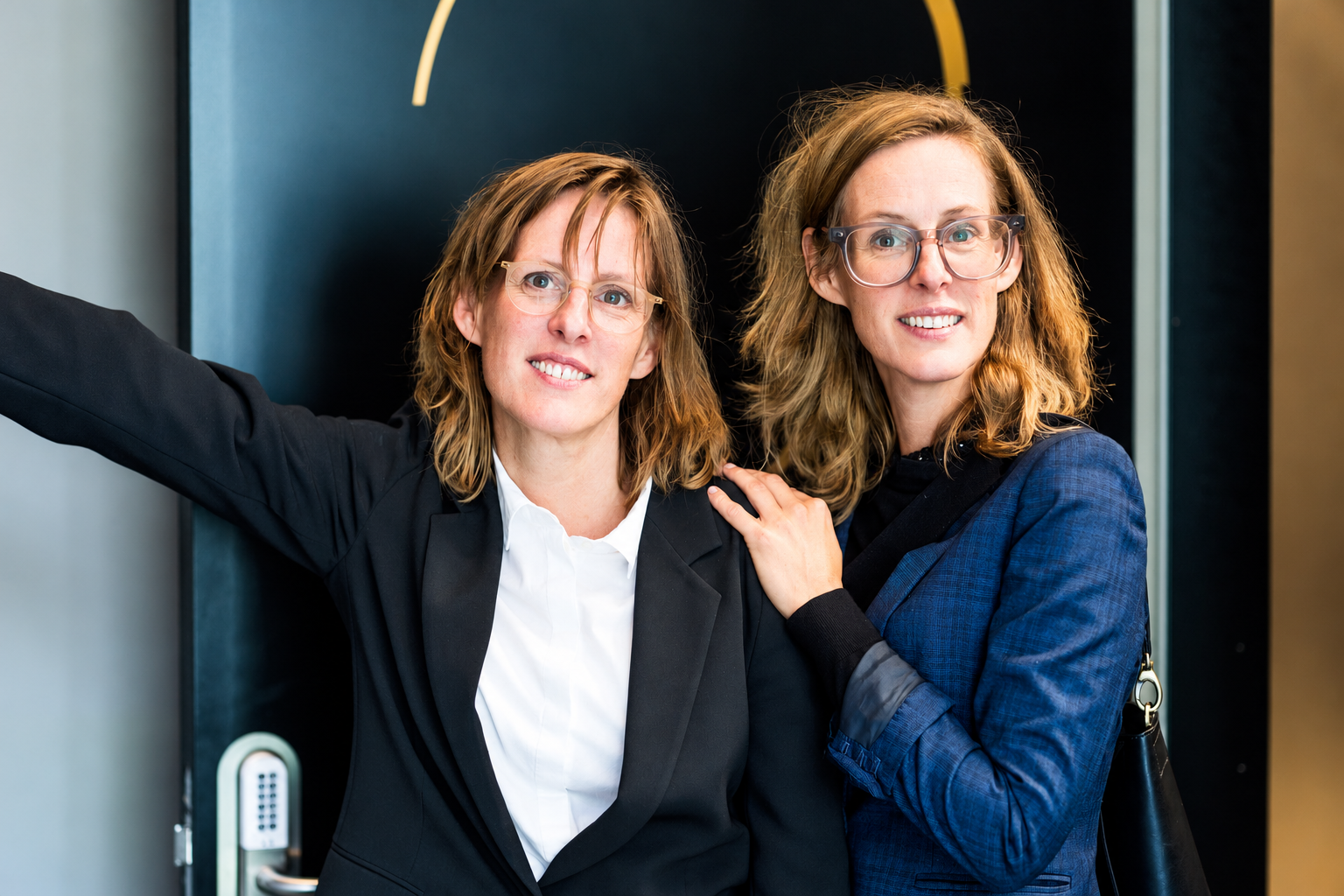
Some early music ensembles preserve the repertoire; others reinvent it. Utrecht-based Holland Baroque belongs to the latter category. Founded in 2006 by sisters Judith and Tineke Steenbrink, the orchestra has established itself over the past two decades as one of the most compelling ensembles on the European early music scene. Winner of two Edison Klassiek Awards and two REMA Awards, it has distinguished itself through collaborations with trumpeter Eric Vloeimans, conductor Reinbert de Leeuw, and, more recently, violinist Théotime Langlois de Swarte and soprano Julie Roset. Not only because it plays brilliantly, but also because it raises a fundamental question: what does this music still mean to us today? The answer: far more than we might think! To demonstrate this, Holland Baroque goes back to the sources, delves into archives, and readily treats the score as a starting point rather than an end in itself. This freedom never comes at the expense of rigour and is also enriched by encounters with gospel, jazz, and musical traditions from beyond Europe.
The Key Word
Curiosity! The word comes up frequently in conversations with twins Judith and Tineke Steenbrink. And curiosity permeates everything they do, if such a passion can even be called “work.” “When we undertake research,” explains Judith Steenbrink, “it requires an enormous amount of effort. But it is essential. That’s what we call enthusiasm.”
It was this enthusiasm that prompted the two sisters—Tineke is a harpsichordist and organist, Judith a violinist—to found their ensemble twenty years ago in Utrecht, the Netherlands. “We were very young,” Judith Steenbrink recalls, “and we were all very enthusiastic.” At the time, they met every two weeks or once a month. Today, Holland Baroque is a professional ensemble with an international outlook, constantly reassembling for different projects. Its musicians come from across Europe, gathering a few days before each project to rehearse, travel, and live together for a time—before returning to their respective countries.
This is what makes Holland Baroque both stable and flexible. “Our programmes are always very varied,” Judith explains, “as is the makeup of the ensemble. But what matters above all is a shared musical language, the ability to listen to one another and respond.”
That is why, at Holland Baroque, a project often does not begin at the first rehearsal with a finished or complete score. Some elements are fixed, while others emerge during the performance itself. The musicians respond to one another, discover musical possibilities, alter the course of the music, and develop its form together. This requires considerable mutual trust and a flair for improvisation. “We practise this within the ensemble,” explains Tineke. “Every musician must be able to improvise. But awareness of one’s role within the group is just as important: what should I contribute? What should I hold back? When should I take the initiative, and when should I leave space for others?”
Baroque Is Now!
Improvisation, flexibility, collective creativity: all are essential aspects of the ensemble’s artistic identity. But Holland Baroque wants to go even further, as its motto, “Baroque is now,” already suggests.

Passionate about early music and want to read this subscriber-only article?
If you are not a subscriber, join the international Total Baroque community. Subscribe here from 5.00€.
I subscribe
If you are already a subscriber, sign in.
I sign in 

You must be logged in to be able to post comments.
Sign in