


 Long consigned to the margins of the 15th century, Gilles Joye is finally reclaiming the singular place he deserves in the musical landscape.
  By
By 


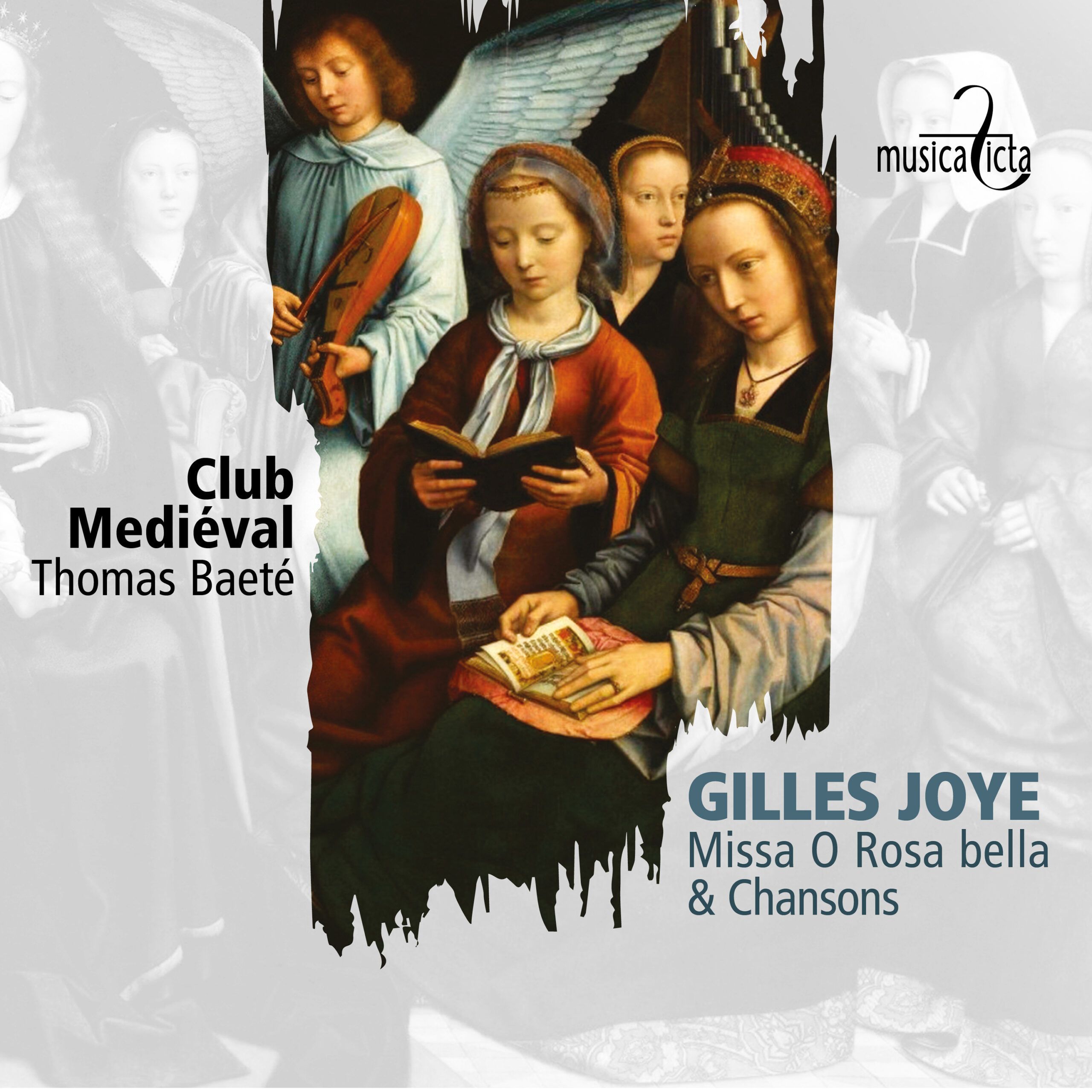
Composer, poet, and singer of the 15th century, Gilles Joye (1424/25–1483) was once a shining light of the Franco-Flemish school before falling into oblivion. Under the direction of Thomas Baeté, the ensemble ClubMediéval brings back to life his Missa O rosa bella, based on a song by John Bedyngham, and pairs it with all of Joye’s surviving secular songs. Sensual, ironic, and fervent by turns, this album revives a forgotten voice—one as free as it is moving.
Gilles Joye is a 15th-century composer who is now largely forgotten, although he enjoyed great fame during his lifetime. What prompted you to bring his music back into the spotlight?
Thomas Baeté: At the very beginning, it was something quite anecdotal: Joye is a fairly rare Flemish surname—and it’s my mother’s name. Her family and the composer’s are from the same region, around Kortrijk-Armentières. It’s quite possible that Gilles and I share common ancestors. That’s what first caught my attention. After that, it was the unconventional quality, the somewhat “other” nature of his musical writing and his choice of texts—especially when compared to contemporaries like Binchois or Dufay—that really intrigued me. Looking back, I realize my discography shows a strong interest in composers on the margins: unusual, hybrid, unconventional figures like Anthony Poole, Leonora Duarte, Paolo da Firenze—and now Gilles Joye.
This album includes songs by Gilles Joye as well as by John Bedyngham. How do these pieces relate to the Missa O rosa bella, and what guiding thread shaped your selection?
T. B.: The album contains all of Joye’s surviving secular works. The song O rosa bella, composed by John Bedyngham, served as the basis for two Mass settings attributed to Gilles by Reinhard Strohm. One of them, the Missa super O rosa bella, is featured on the album. Rosabella was also the name of his concubine—because yes, Gilles, although a canon, had a romantic relationship. The authorities of Saint-Donatian’s Church in Bruges forced him to end it; in response, Gilles hid the melody in the tenor part of his Mass (for which, to top it off, he was paid!). It was, in a way, a cheeky gesture toward his ecclesiastical superiors and their rigid authority. A fine example, in any case, of this singer-composer’s rebellious spirit!
Gilles Joye’s music—refined and sensual—resonates today with a kind of familiar strangeness. What kind of listening experience do you hope to evoke in a 21st-century listener discovering these works for the first time? Which piece would you recommend as an entry point into the album?
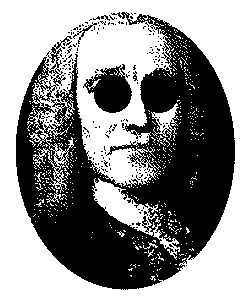
T. B.: For me, Joye’s music speaks more through the honesty of the emotions it conveys than through the architectural beauty of its polyphony. That’s what I asked the singers to embody for this recording; it is music grounded in the real world, animated by a tension between the sublime and the bawdy. Hans Memling’s portrait of Joye—meticulously crafted, rich in detail—shows a man marked by life. His music surely bears the same imprint… For its heart-wrenching melancholy, I’d recommend “Mercy, mon deuil.” And for something more carnal, toeing the line of disobedience, I’d suggest “Ce qu’on fait à catimini,” which opens the album. Two very different moods that capture the expressive richness of his writing.
 Press review
“With ClubMediéval, Baeté continues to build an ever-richer repertoire from the late Middle Ages, with particular attention to lesser-known masters such as Gilles Joye. Their performances are not mere reconstructions, but vibrant interpretations in which the spirit of the fifteenth century can, one hopes, be fully felt by today’s listener — allowing Joye at last to receive the recognition he deserves, as a composer, singer, and chronicler of a Burgundian age filled with splendour and passion.”
Gabrielle Claassen, Opus Klassiek
“Lovers of renaissance music should not hesitate to add this disc to their collection. It is a nice monument for a composer who should be known better.“
Johan van Veen, Musica Dei Donum

You must be logged in to be able to post comments.
Sign in