


 In Lyon, Franck-Emmanuel Comte and his ensemble Le Concert de l’Hostel Dieu explore original paths between early music and other artistic disciplines. A meeting with a conductor whose motto is: explore, reveal, share.
  By
By 


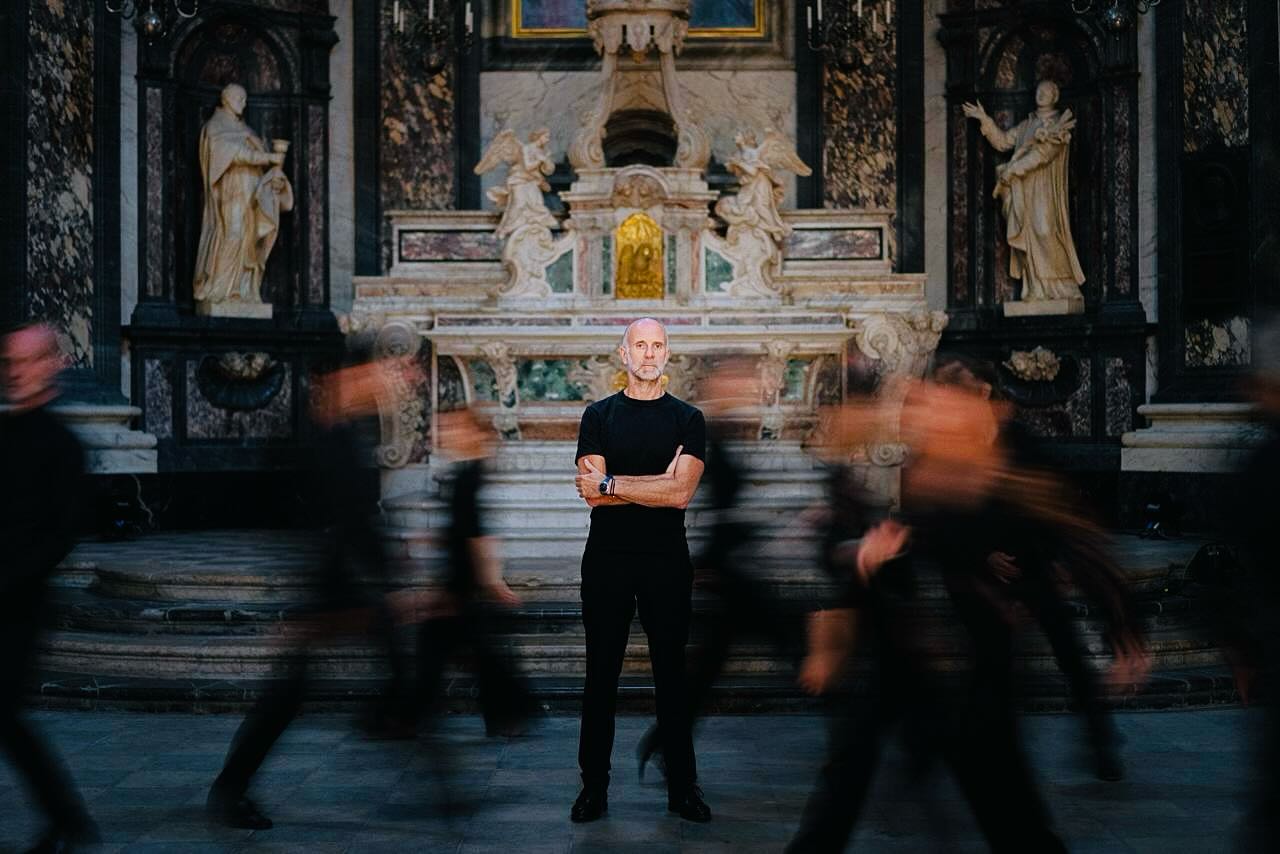
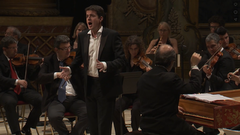
At the helm of Le Concert de l’Hostel Dieu for more than thirty years, Franck-Emmanuel Comte—conductor and harpsichordist—is an indefatigable mediator linking early music with other artistic disciplines, other aesthetics, other narratives. His encounters with choreographer Mourad Merzouki, his recordings with singers Roberta Mameli, Sophie Junker, and soon, Xavier Sabata have turned his ensemble into an artistic laboratory, while remaining faithful to Baroque fundamentals. From Lyon, his home base, to major international stages, the ensemble asserts a music that is engaged and connected to our time.
How would you define Le Concert de l’Hostel Dieu today?
Franck-Emmanuel Comte: The ensemble thrives on experimentation. We work on new concert formats, crossovers, hybrids, interdisciplinarity—while firmly grounding everything in the fundamentals of Baroque music: rhetoric, theatricality, expressivity, movement. These are basic parameters that I feel very strongly in early music. What interests me is connecting this heritage of three centuries of learned music with the contemporary cultural space. I start from a rich soil, but I try to create something that is rooted in our time.
Browsing your website, one sees just how diverse your activities are: productions, transmission, dissemination tools… a form of vertical integration that is quite rare.
F.-E. C.: I’d like to stress two points first. Our main job remains the production and dissemination of music—live performance. That doesn’t prevent me from paying close attention, for a long time now, to recordings, video, and short formats. Secondly, we are interpreters, certainly, but also transmitters. Our role is to pass on an ancient heritage to today’s audiences, whether seasoned music lovers or complete newcomers. Younger audiences in particular have one demand: not to be bored. They want to be thrilled, to feel emotions, even without having all the listening keys. Baroque music, with its organic, spontaneous, eruptive energy, can speak immediately to someone attending a Concert de l’Hostel Dieu performance for the first time.
Passionate about early music and want to read this subscriber-only article?
If you are not a subscriber, join the international Total Baroque community. Subscribe here from 5.00€.
I subscribe
If you are already a subscriber, sign in.
I sign in 


You must be logged in to be able to post comments.
Sign in