


 Since 2015, Berlin-based harpsichordist Elina Albach has been developing a highly personal approach to early music with her ensemble Continuum: Bach, Monteverdi, and Schütz meet contemporary creation, literature, video, and performance in formats that reshape works to reveal their architecture and dramaturgy in new ways. The aim is to restore the works’ dynamic energy, transcending the eras and frameworks that have frozen them in time. On November 11, she will be in Austria with the dance company laborgras for “A Masque for the Multiverse.”
  By Ines Pasz
 7 minutes


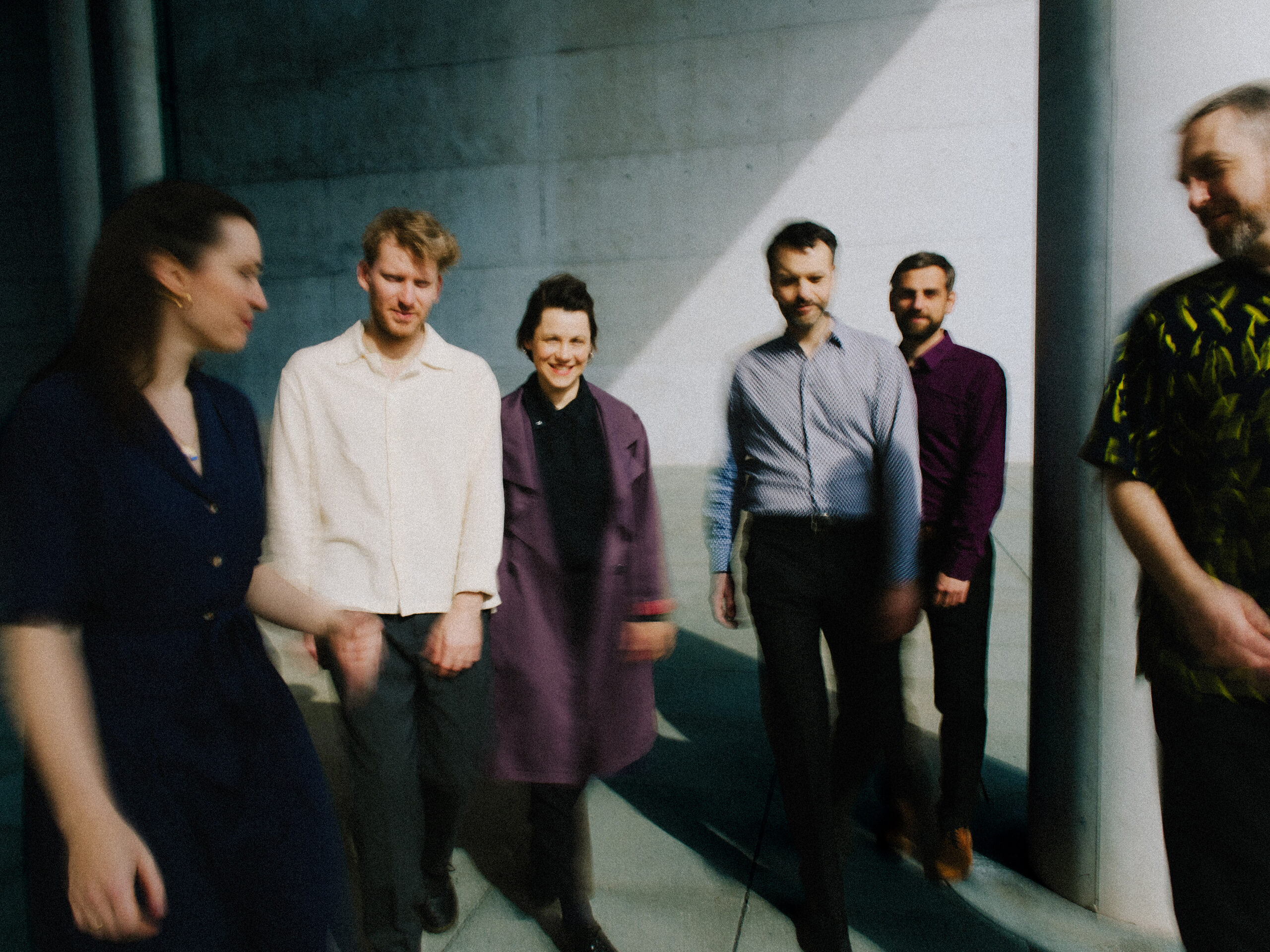
Founded in 2015 by Berlin-based harpsichordist Elina Albach, CONTINUU-M takes shape anew with each project, bringing together different singers and instrumentalists under Albach’s artistic direction. This flexibility allows the ensemble to treat works as material to be reconsidered, right down to their instrumentation and form. A Bach B Minor Mass reduced to thirteen performers, an Orfeo without singers, featuring cornett, viola da gamba, electric guitar, and accordion, or an Art of Fugue unfolding within an audiovisual installation: each project begins with the sources and historically informed performance practice to explore in concrete terms what a score can become today. We meet a musician who turns arrangement, reduction, and changes in instrumentation into genuine tools of interpretation.
The Aesthetics of Disruption
At first glance at Ensemble Continuum’s website, one thing is clear: this is not about comfort or pleasure. Like a digital disturbance, or a deliberate rupture, the site appears in flickering shades of grey and black; on the left is the word “Continuum,” and on the right, the name of its director, Elina Albach. Clicking on the ensemble’s name immediately reveals its essential message: “Continuum is the freedom to rethink early music in a completely new way, to present it innovatively.”
Rethink! But not only that. Act differently, feel differently, redefine. Take, for example, the question: what is an ensemble? A fixed group, a clearly defined repertoire, a firmly established aesthetic signature? Normally, yes. In Continuum’s case, that is not enough, because this musical collective deliberately eludes the usual categories. Less an ensemble in the conventional sense than an artistic concept: flexible, permeable, constantly evolving—that is perhaps the best way to describe it.
Rethinking Early Music
When Continuum performs Bach’s B Minor Mass in 2023 at the Ludwigsburg Palace Festival in southwestern Germany… only thirteen performers are on stage: two sopranos, two countertenors, one tenor, one bass, and seven instrumentalists. This large-scale sacred work is transformed into a “Missa miniatura,” enriched by poetic texts by Swiss author Jürg Halter on the depravity of our world and humanity’s lack of prospects in the twenty-first century. An adventure, not only for the audience, but also for the ensemble members. “Nothing was fixed in advance,” explains the ensemble’s percussionist. “Elina made suggestions, which we tested to see whether they worked sonically. Sometimes, even when something was already working well, we still tried other possibilities to discover how the instruments interacted with one another. That was really what made the work so exciting: we genuinely found many possible combinations.”
Passionate about early music and want to read this subscriber-only article?
If you are not a subscriber, join the international Total Baroque community. Subscribe here from 5.00€.
I subscribe
If you are already a subscriber, sign in.
I sign in 
You must be logged in to be able to post comments.
Sign in