


 Against the backdrop of war, the Kyiv Baroque Festival returns from November 12 to 22 for eleven days of concerts, encounters, and musical exploration, ranging from Gesualdo and the Mozart family to early medieval chants, 18th-century women composers, and contemporary music. Despite air raid alerts, power outages, and security restrictions, the passionate team behind this festival, founded in wartime, remains determined to bring people together, nurture creativity, and keep looking to the future.
 By
 12 minutes


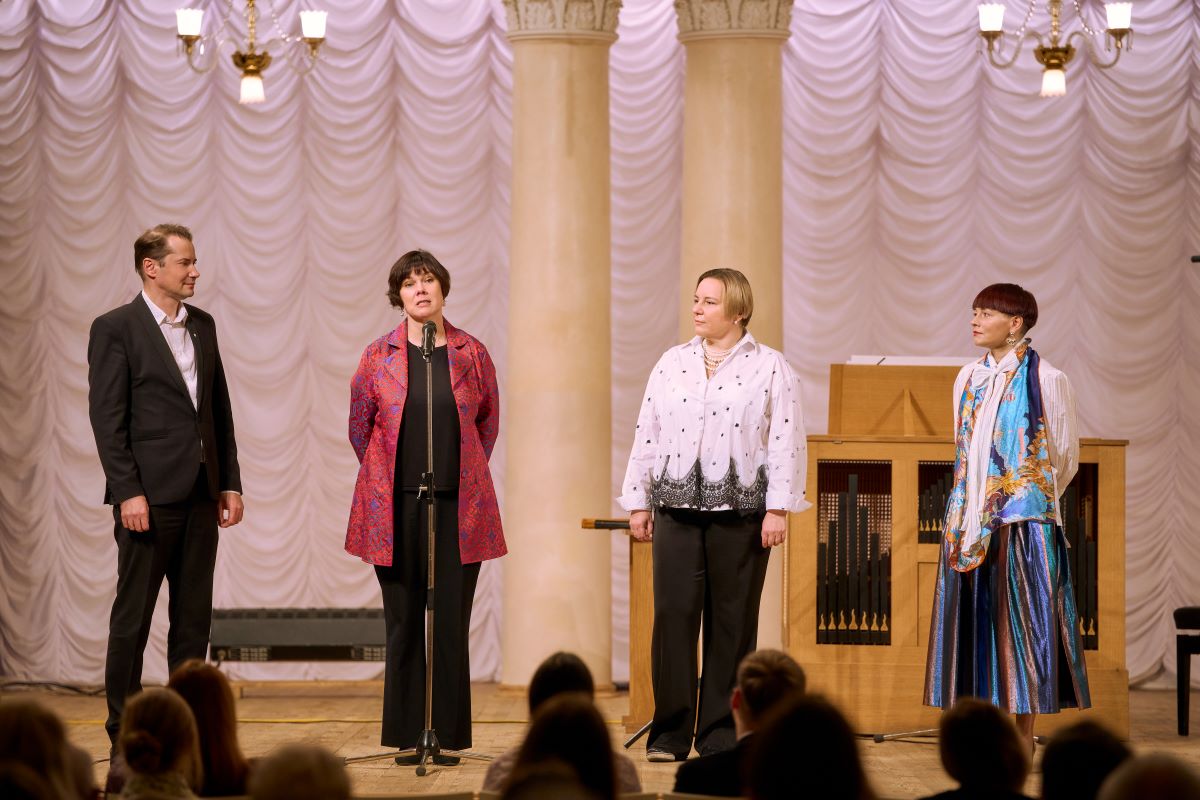
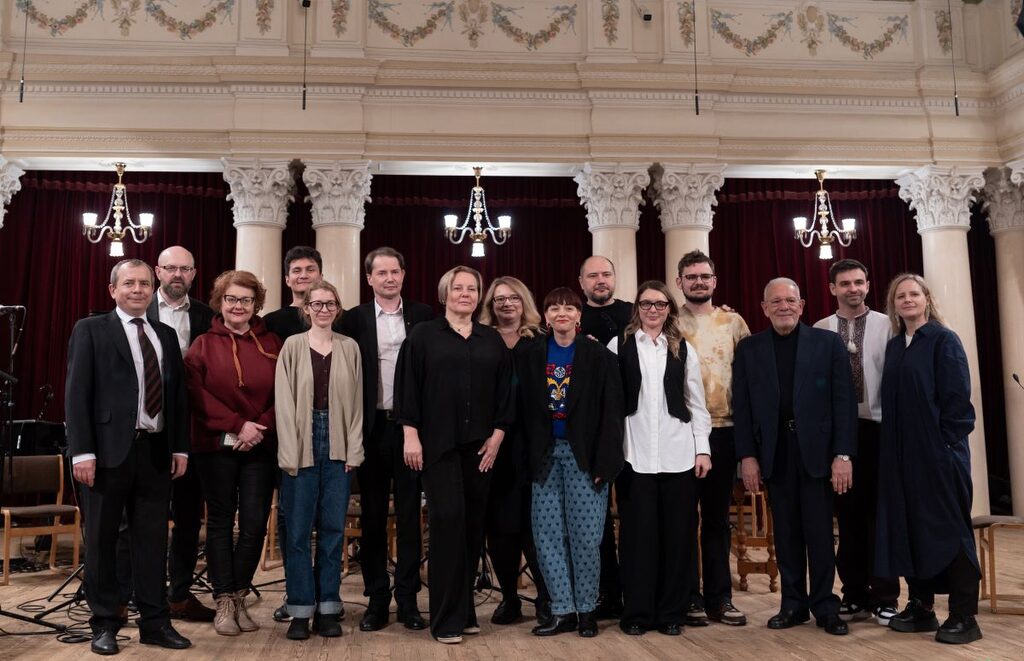
Russian air strikes day and night, the bombing of infrastructure and civilian targets, daily reports of deaths on the front lines: for four years, Ukraine has been enduring a terrible ordeal. Yet the country continues to resist the Russian aggressor with intelligence and ingenuity, while its people strive, as far as possible, to carry on with their daily lives. The Kyiv Baroque Festival is a striking testament to that resilience. Now in its fourth edition, it once again presents an ambitious, innovative, and carefully curated programme. Total Baroque Magazine met the people who make it possible: Anna Gadetska of Open Opera Ukraine, the festival’s programming director; Mykhailo Shved, director of the National Philharmonic of Ukraine; and Oleksandr Ostrovskyi of the National House of Music.
What is the theme of this year’s festival?
Anna Gadetska: It revolves primarily around two names: Gesualdo and Mozart. And not just Wolfgang: the entire family is involved, including Leopold, Wolfgang, Nannerl, and Franz Xaver. The second part of the theme is harder to put into words. I would describe it as something like “finding hope in the unfathomable,” or perhaps “finding hope in the incomprehensible.” Our world is in such an absurd state today… and yet we also see a form of hope in it. And with that comes the need to do something good, to create. Naturally, the festival also explores different historical and creative contexts, as well as experimentation. When Gesualdo was writing his madrigals, for example, he had no idea how audiences would respond to them—and we know today that his music was appreciated by only a small number of people. It was not really until the 20th century that his experiments began to attract widespread interest. Today, we are seeking to place all of this in context. Several threads therefore run through the programme: the Mozart family, the question of genius, women, sonic experimentation, but also connections between different periods, from early music to the present day. And over the festival’s eleven days, there will be more than just concerts: there will also be lectures, masterclasses, and public discussions with our guests. The concerts will not take place exclusively on the main stage, either: we will make use of several spaces within the National Philharmonic—the main concert hall, the chamber music hall, the music salon… The entire building becomes a concert venue. Of course, this also presents a real challenge, particularly because of the air raid alerts.
What concerts can audiences look forward to?
A. G.: We will begin with an opening concert devoted to Wolfgang Amadeus Mozart and Polish composers, whose works offer an interesting perspective on the musical context of his time. Marek Toporowski will join us as conductor and harpsichordist. Exploring the place of women in music, we have devised a programme devoted to Nannerl Mozart [composer, pianist, and harpsichordist, Wolfgang’s elder sister], as well as another consisting entirely of works for square piano and fortepiano written by 18th-century women composers, some famous, others far less well known. We have also put together a programme exploring the notion of genius and the child prodigy: relatively little-known works by Mozart, a Mozart we have yet to discover, in a sense, juxtaposed with works by other composers, including Erich Korngold. This programme will be performed by the chamber ensemble of the National House of Music. In the smaller hall, a concert will focus on Gesualdo’s experiments with temperaments and other explorations of sound. We will also welcome Sequentia, with Norbert Rodenkirchen and Benjamin Bagby: they will perform some of the oldest surviving chants, in a programme specially devised for the festival featuring repertoire from the eighth and ninth centuries. Jan de Winne will perform with us and with the National Philharmonic’s chamber orchestra. We will also be reunited with colleagues who now live abroad but are returning to Ukraine for the festival: Nataliia Stets and Natalia Ponomartschuk, both conductors. A great many Ukrainian artists from different backgrounds will also take part in the programme. One project, for example, will bring together traditional songs from different regions of Ukraine and Ukrainian sacred music, creating a kind of dialogue between Adam and Eve, almost like a mystery play.
Passionate about early music and want to read this subscriber-only article?
If you are not a subscriber, join the international Total Baroque community. Subscribe here from 5.00€.
I subscribe
If you are already a subscriber, sign in.
I sign in 

You must be logged in to be able to post comments.
Sign in