


 Long overshadowed by his nephew François, Louis Couperin here becomes the centre of an entire world. Ten CDs, five harpsichords, two organs and twelve hours of music make up the first complete recording to encompass all of his known works, including the pieces for small ensemble. A monumental undertaking, but also a deeply personal one: Couperin was the first composer Jean Rondeau encountered at the harpsichord, at the age of six.
  By
By 


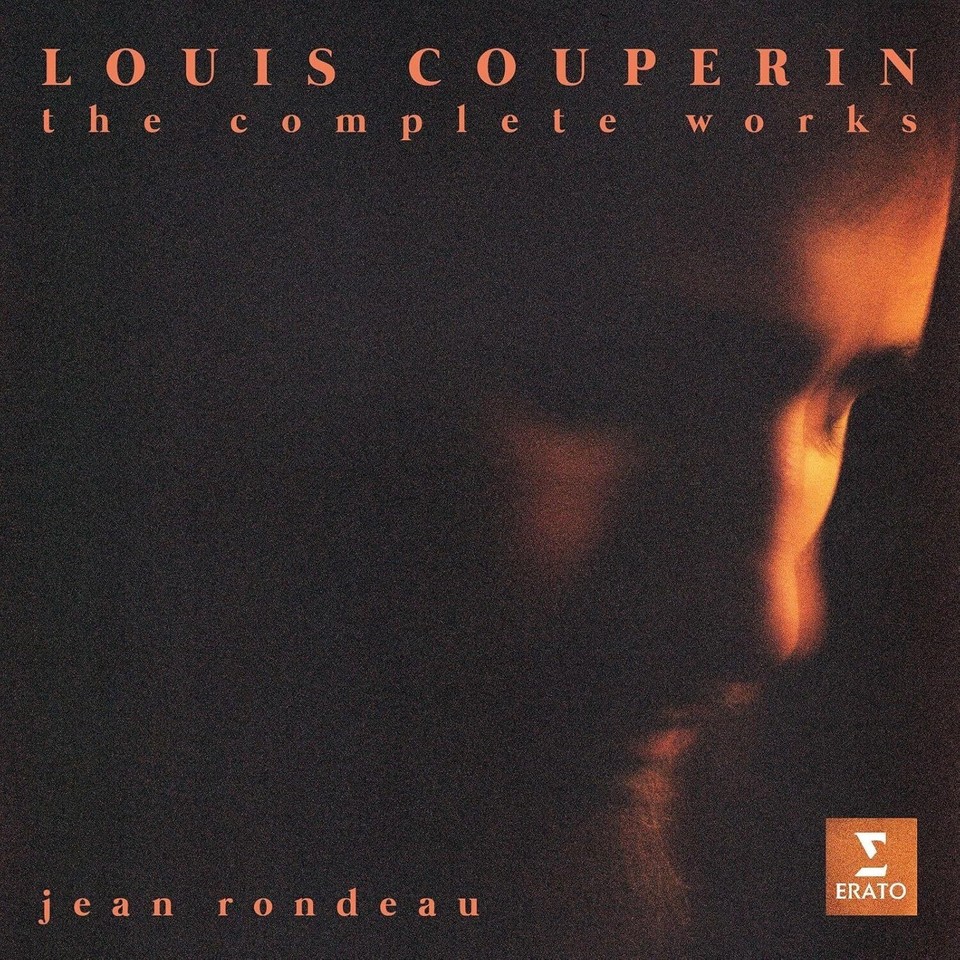
With Louis Couperin: The Complete Works, released by Erato on 14 November 2025 and named Recording of the Year at the 2026 Gramophone Awards, Jean Rondeau brings together Louis Couperin’s known works for harpsichord, organ and ensemble. The ten-CD box set is supplemented by a 66-minute documentary directed by Erwan Ricordeau, as well as pieces by composers who surrounded, preceded or followed Couperin, from Chambonnières and Froberger to d’Anglebert and Robert de Visée. The result restores not simply a catalogue, but an entire landscape of seventeenth-century French music.
Louis, before François
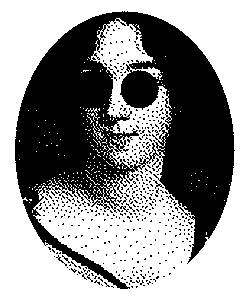
Louis Couperin died in 1661, at the age of just 35, several years before the birth of his famous nephew François. Having arrived in Paris in the early 1650s, he became organist of the church of Saint-Gervais in 1653, beginning a family association with its organ loft that would continue for several generations. More importantly, he belonged to a decisive moment in the history of the French keyboard: under the influence, notably, of Jacques Champion de Chambonnières, the harpsichord was assuming a new importance and gradually developing a language of its own.
Yet none of Couperin’s music has come down to us in a known autograph manuscript, surviving instead through several seventeenth-century copies. His output includes dances – allemandes, courantes, sarabandes, chaconnes and passacailles – as well as organ pieces and a handful of ensemble works, but also the celebrated unmeasured preludes, of which Couperin became one of the leading exponents: the notation specifies the notes far more precisely than their duration, leaving the performer a freedom close to improvisation. This is therefore music that requires choices; it truly takes shape only in the act of performance.
A passion born at the age of six
For Jean Rondeau, this music came before almost everything else. The first piece he worked on at the harpsichord, at the age of six with Blandine Verlet, was in fact an unmeasured prelude by Louis Couperin. Years later, when he began considering an album devoted to the composer, he quickly ran up against the problem of selection: how could he reduce to eighty minutes a body of work in which he considered every piece essential? The album therefore expanded to encompass the complete harpsichord works, before the organ music and ensemble pieces were added. Rondeau even gave up performing in concert for a year in order to prepare the project.
To give shape to this complete edition, the French keyboard player divides the repertoire between five harpsichords and two organs, including historic instruments in Colmar, Juvigny and Bolbec, allowing their individual timbres to play a part in shaping the journey. Pieces by Froberger, Chambonnières, Gaultier, d’Anglebert and Marais also reveal both what Couperin inherited from his time and what he passed on to the next generation. The complete edition is therefore not intended as a simple catalogue: Rondeau arranges the works, instruments and pieces by Couperin’s contemporaries so as to create a journey that unfolds from one disc to the next.
Louis, a living portrait
This is precisely where the project makes its strongest impression. Rondeau seeks neither constant virtuoso display nor speed: his playing takes the time to reveal the lines, the dissonances and, above all, the silences that structure this music. The phrasing remains highly free without losing its direction, the dances retain their individual character, and the preludes seem to take shape as they unfold. This flexibility gives music almost four centuries old a striking sense of immediacy.
The variety of instruments also prevents twelve hours of keyboard music from closing in on a single colour. Each harpsichord has its own grain, the two organs suddenly broaden the acoustic space, and Aline Blondiau’s recording gives them remarkable room to breathe, without harshness or artificial closeness. Jean Rondeau thus achieves something the word “complete” rarely promises: not simply to accumulate works, but to make us want to move from one to the next. Couperin emerges not magnified by the monumentality of the box set, but brought closer to the listener – freer, more varied and more unpredictable. A living portrait; a major recording achievement.

You must be logged in to be able to post comments.
Sign in