


 Marc-Antoine Charpentier’s “Médée”: In Lully’s Shadow? As he prepares to embark on a tour of France and Belgium for five concert performances of Charpentier’s only opera, Stéphane Fuget, music director of the ensemble Les Épopées, reflects on the work: it is time to stop viewing Charpentier solely through the lens of his powerful predecessor.
  By
By 


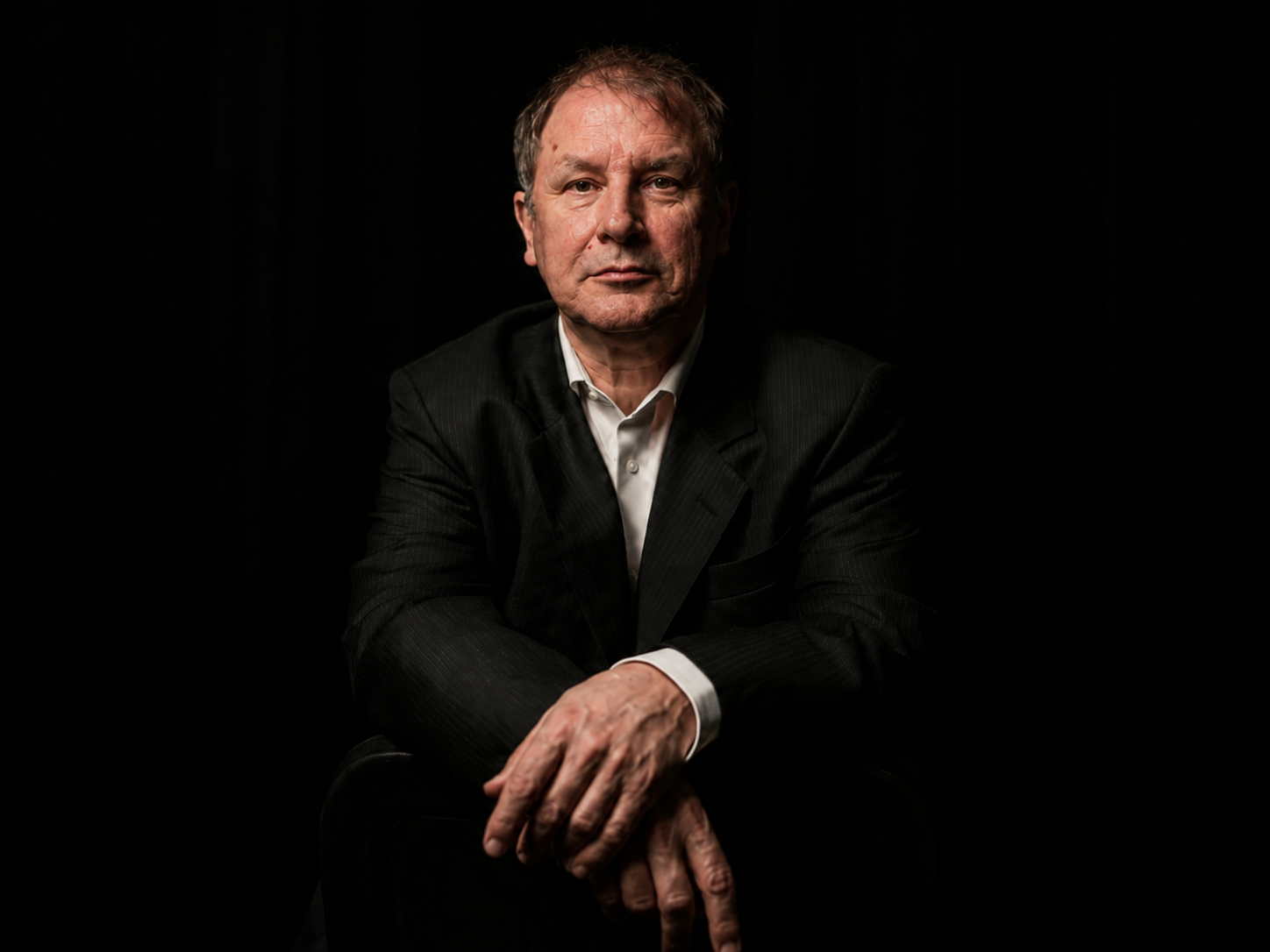
Premiered in Paris at the Théâtre du Palais-Royal on December 4, 1693, Marc-Antoine Charpentier’s Médée remains one of the pinnacles of French tragédie lyrique, and the only opera the composer was able to present at the Académie royale de musique, an institution dominated for decades by Lully and his legacy. For Stéphane Fuget, founder and music director of Les Épopées, it is precisely time to stop viewing Charpentier solely through the prism of his powerful predecessor. In Médée, his harmonic inventiveness, his taste for instrumental colour, and, above all, the exceptional prominence he gives to the orchestra reveal a wholly distinctive musical language.
People often refer to the “shadow of Lully” when discussing Charpentier’s only opera for the Académie royale de musique. How do you approach this legacy?
Stéphane Fuget: Charpentier is not a composer in Lully’s shadow. Of course, he follows the traditional framework—a prologue in praise of the king and five acts—but his writing displays an inventiveness and freedom that have nothing to do with the compositional technique of Louis XIV’s Superintendent of Music. For years, unable to write for the stage, he had to content himself with other genres, and that frustration fuelled an extraordinary outpouring of creativity. His music displays a mastery of counterpoint, daring harmony, and a much more varied orchestral palette than Lully’s. His modernity also lies in this ability to make the orchestra a fully fledged participant in the drama, rather than a mere accompaniment. Lully had imposed a style, a way of punctuating recitative, an almost restrictive musical grammar.
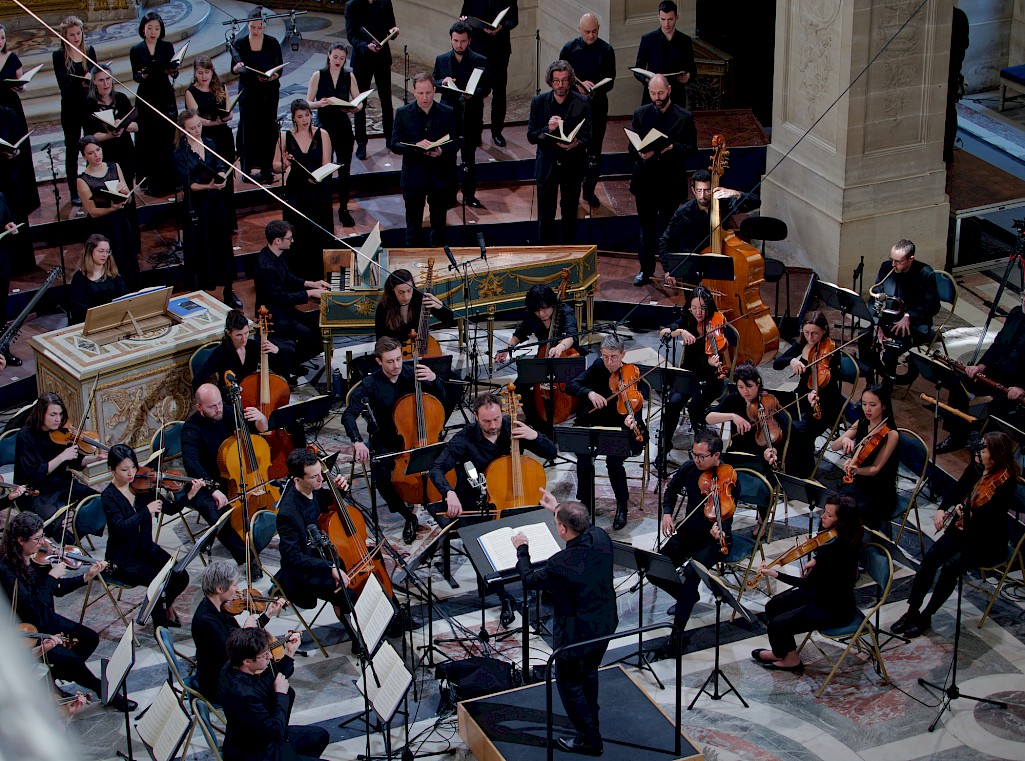
Charpentier, by contrast, opens up new possibilities: he allows the harmony to breathe, dares to use unexpected colours, and is unafraid of dissonance when the drama demands it. He is a composer who thinks in terms of masses of sound and contrasts of timbre, exactly like an organist playing on the three or four manuals and pedalboard of an organ. And this organistic way of thinking permeates all his writing. There is a modernity in the way he handles time: he knows how to suspend the musical discourse, create anticipation, and break symmetries. He is a musician who already anticipates some of the harmonic daring of the nineteenth century, without ever losing his sense of French declamation.
This production is presented in a concert version. How does this format enhance the listening experience and the dramatic intensity of the work?
S. F.: Concert opera offers a considerable advantage: the orchestra becomes a full participant in the drama. The battles, the furies, the moments of tenderness, the infernal dreams—everything unfolds within the orchestral sections, before the audience’s eyes. You see the music creating the action instead of simply accompanying it. Of course, this does not replace a staged production with costumes and sets, but our singers are theatre artists, accustomed to embodying their characters even without props or costumes. The format focuses attention on the substance of the sound, the beauty of the textures, and the alchemy between voice and orchestra. When you hear a love duet, you see the bows weaving the fabric, you perceive the breaths, the attacks, and the resonances. It is a purer, more vertical listening experience, in which the drama takes shape in our ears rather than before our eyes. And in a tragedy such as Médée, the words are so powerful, the text so strong, that concentrating on the language and musical expression can actually heighten the emotional impact.
Passionate about early music and want to read this subscriber-only article?
If you are not a subscriber, join the international Total Baroque community. Subscribe here from 5.00€.
I subscribe
If you are already a subscriber, sign in.
I sign in 
You must be logged in to be able to post comments.
Sign in