


 What is the connection between the Ars Nova—a musical revolution in the mid-14th century—and contemporary composer Steve Reich, one of the pioneers of minimalist music in the 20th century? Find out on September 4 at the Utrecht Early Music Festival, featuring Michele Pasotti and his Italian ensemble La fonte musica.
  By
By 


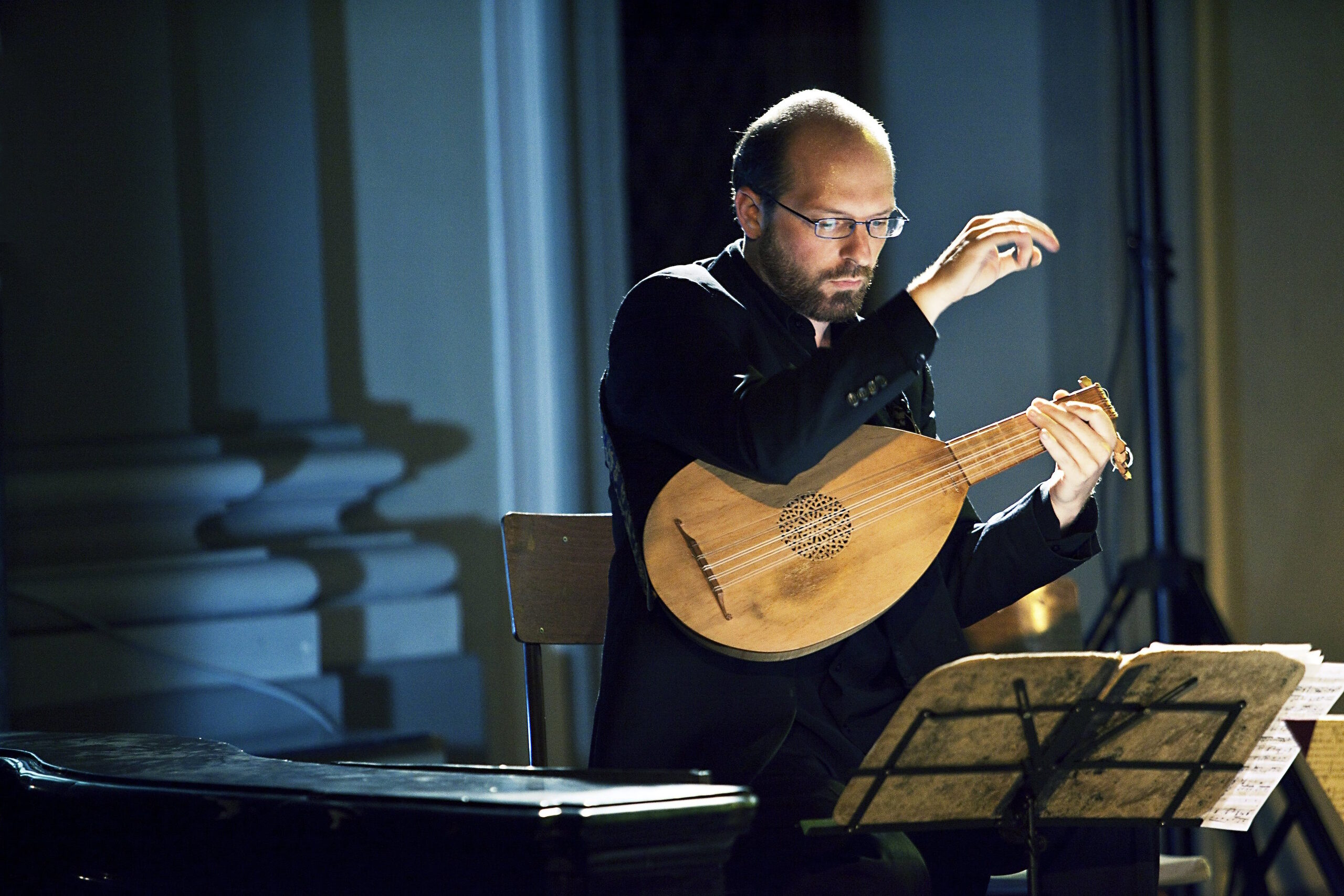
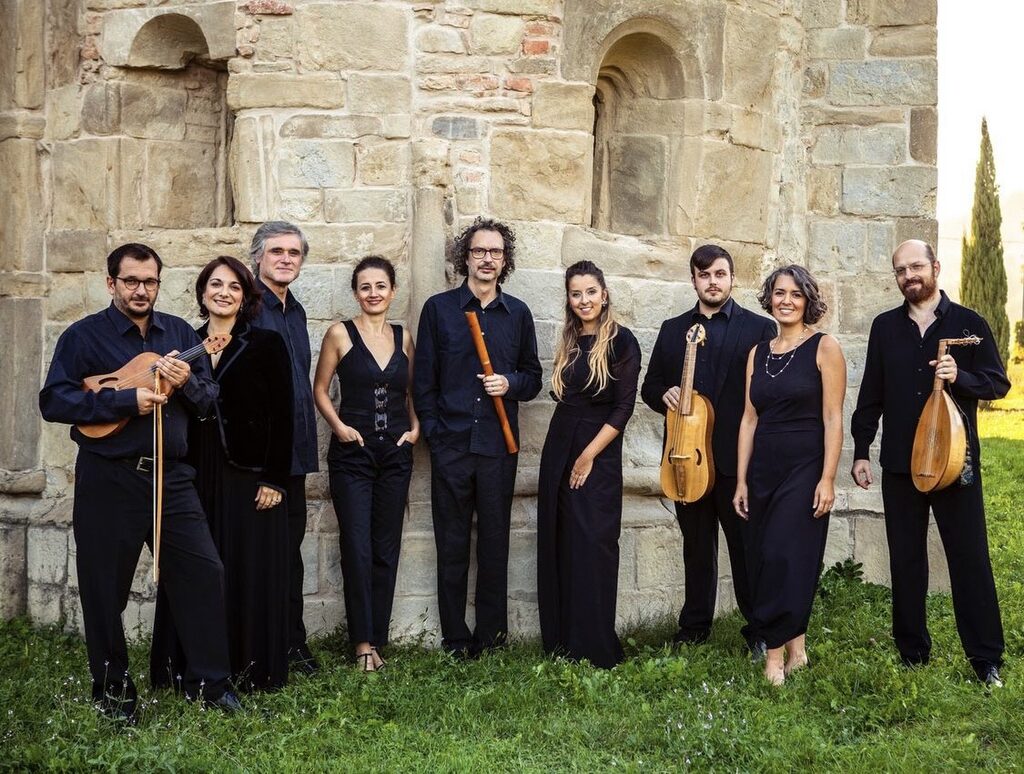
Founded by lutenist Michele Pasotti in 2006, the Italian ensemble La fonte musica has become a leading authority on the interpretation of the Ars Nova—the artistic flowering that, in the 14th century (from the 1320s to 1377), revolutionized musical notation and polyphony—before turning its attention to Monteverdi, creating original and innovative musical programs in strict adherence to historically informed performance practice. And even Steve Reich, whose work “Proverb” will be performed by La fonte musica at the 2026 Utrecht Festival. For Michele Pasotti, it is very important that music flow freely; indeed, the group’s name suggests the idea of going back to the source, to the origin of music, by creating as direct a link as possible between the present and the musical language of the past, giving the impression that musicians from the late Middle Ages, the Humanist era, and the Renaissance are our contemporaries.
How and when did you decide to create your ensemble, La fonte musica, which is celebrating its 20th anniversary this year?
Michele Pasotti: I had just graduated in lute with Massimo Lonardi, who was my teacher in Milan and a great performer with a passion for Renaissance music. But I had not explored with him what existed before the Renaissance. That is why I enrolled in Diego Fratelli’s classes at the Civica Scuola di Musica in Milan and, above all, in those of Kees Boeke, a legendary figure who, in my opinion, deserves a place among the great pioneers of early music, particularly thanks to his flute trio from the early 1970s, Sour Cream, formed with Frans Brüggen and Walter Van Hauwe. They really did groundbreaking things for their time, and among those was a great deal of late Ars Nova—referred to as Ars Subtilior because of its sophisticated nature—which is my first love. That’s what prompted me to seek out fellow musicians with whom to play this music and form the ensemble…
This Ars Subtilior, which, between about 1380 and 1420, pushed the boundaries toward abstraction, heralding the musical Renaissance. For you, the two movements—Ars Nova and Ars Subtilior—mark a transition toward Renaissance music, both in France and in Italy, characterized by increasing complexity and a shift from the sacred to the secular.
M. P.: Yes, the late 14th and early 15th centuries, and in particular the Italian Ars Nova, because, of course, as an Italian, I felt a sense of familiarity and ease with this repertoire, but also because the texts are in French; so it’s not a question of language, but of how to set a text to music. As I was saying, the original core of our group formed around the classes of Diego Fratelli and Kees Boeke. I had, in fact, already met Mauro Borgioni there, as he was also attending the Civica Scuola di Musica in Milan. We started out as a quartet under a slightly different name, which definitively became La fonte musica in 2006, exactly 20 years ago, with Gianluca Ferrarini, Efix Puleo, Francesca Cassinari, and Alena Dantcheva, who are still regular collaborators. Over time, Federica Bianchi, Teodoro Bau, then Massimo Altieri, and Mauro Borgioni once again joined us, and they form the main core of the ensemble today.
Passionate about early music and want to read this subscriber-only article?
If you are not a subscriber, join the international Total Baroque community. Subscribe here from 5.00€.
I subscribe
If you are already a subscriber, sign in.
I sign in 

You must be logged in to be able to post comments.
Sign in