


 The European Early Music Network (REMA-EEMN) is celebrating its 25th anniversary. With more than 180 members in 28 countries, the occasion is ideal for taking stock of early music in Europe.
  By
By 


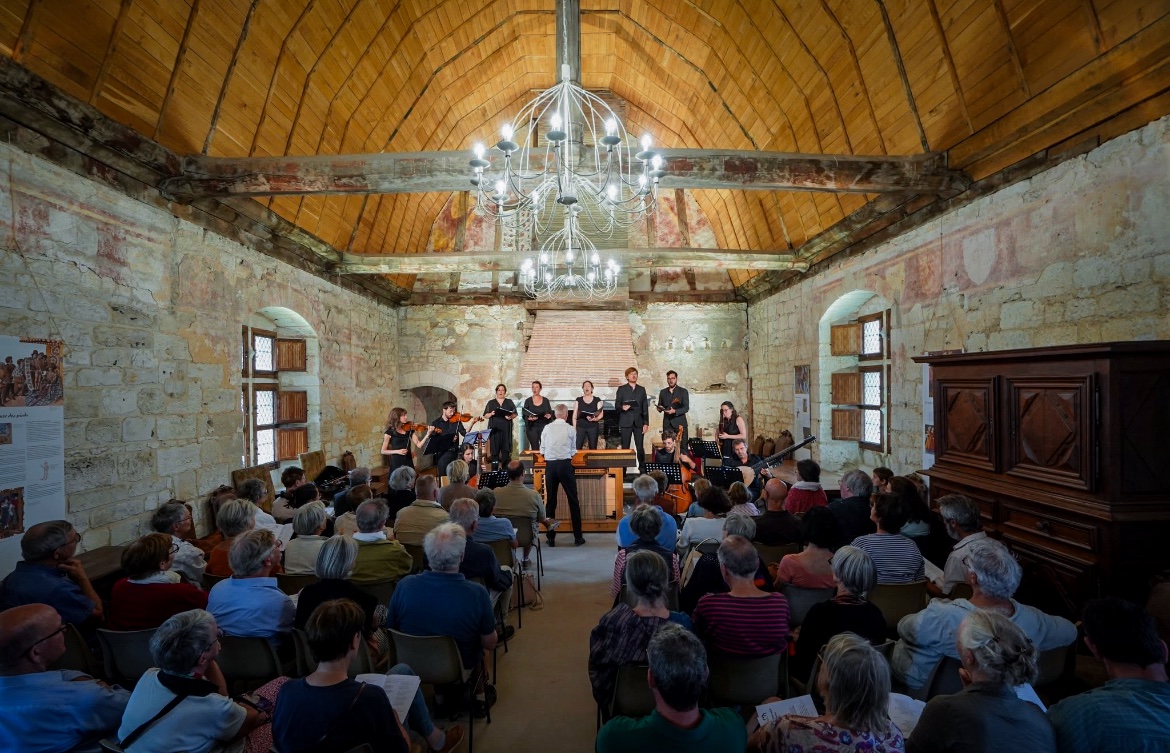
At the beginning of September, the world’s largest early music festival, the Utrecht Oude Muziek Festival—with 250 concerts attracting over 70,000 spectators in ten days—posed a slightly provocative question: is early music live performance or museum music? A partial answer can surely be found in this acronym: REMA-EEMN, European Early Music Network. With 182 members in 28 countries, REMA-EEMN is celebrating its 25th anniversary this year and provides a tangible response to the question of early music’s vitality in Europe today.
A European Dynamism
“Early music has emerged from the niche it occupied in the 1980s. ” declares Isabelle Battioni, the French president of REMA since spring 2025. “We have reached a period of maturity,” confirms in Paris Lorraine Villermaux, managing director of Les Talens Lyriques, one of Europe’s major baroque orchestras. “After the pioneering era from the 1960s to the 1990s, there has been an explosion of interest in this music over the past thirty years, accompanied by high-quality projects, new ensembles, and a new generation of top-level performers.”
In France today, there are around 90 baroque ensembles, and more than a hundred if one includes those devoted to medieval and Renaissance repertoires. This remarkable number, bolstered by more than 65 specialized festivals, is largely explained by the richness of the French repertoire of the 17th and 18th centuries and the vitality of public policies that have supported the “third pillar” of musical life in France and, until now, protected the special status of “intermittent” artists.
In Germany, Richard Lorber, journalist at public broadcaster WDR and artistic director of the Early Music Days in Herne, recalls in an article on the Deutsches Musikinformationszentrum (MIZ) website that the list “Early Music Ensembles” counts about 240 groups. Many are chamber music ensembles focused on the baroque repertoire. To this must be added some 60 festivals, often linked to composers’ birthplaces: Bachfest Leipzig, Telemann Festtage Magdeburg, Händel Festspiele in Halle—not to mention the strong presence of baroque opera at the Bayreuth Baroque Festival.
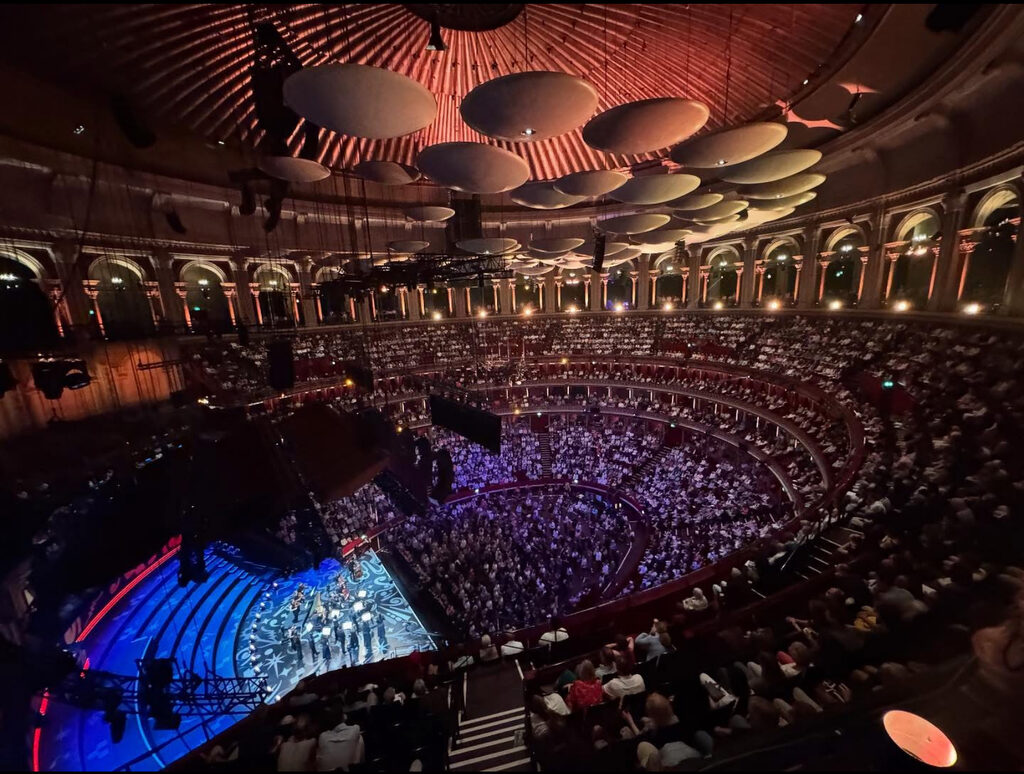
This summer, for instance, the young French ensemble Le Consort, led by Théotime Langlois de Swarte, performed at the Proms in London © Le Consort (Instagram)
Passionate about early music and want to read this subscriber-only article?
If you are not a subscriber, join the international Total Baroque community. Subscribe here from 5.00€.
I subscribe
If you are already a subscriber, sign in.
I sign in 

You must be logged in to be able to post comments.
Sign in