


 A conversation with the belgian musicologist, who invites us to rediscover the musical ferment of Renaissance Europe, at the crossroads of circulating ideas, aesthetic upheavals, and great personalities.
  By
By 


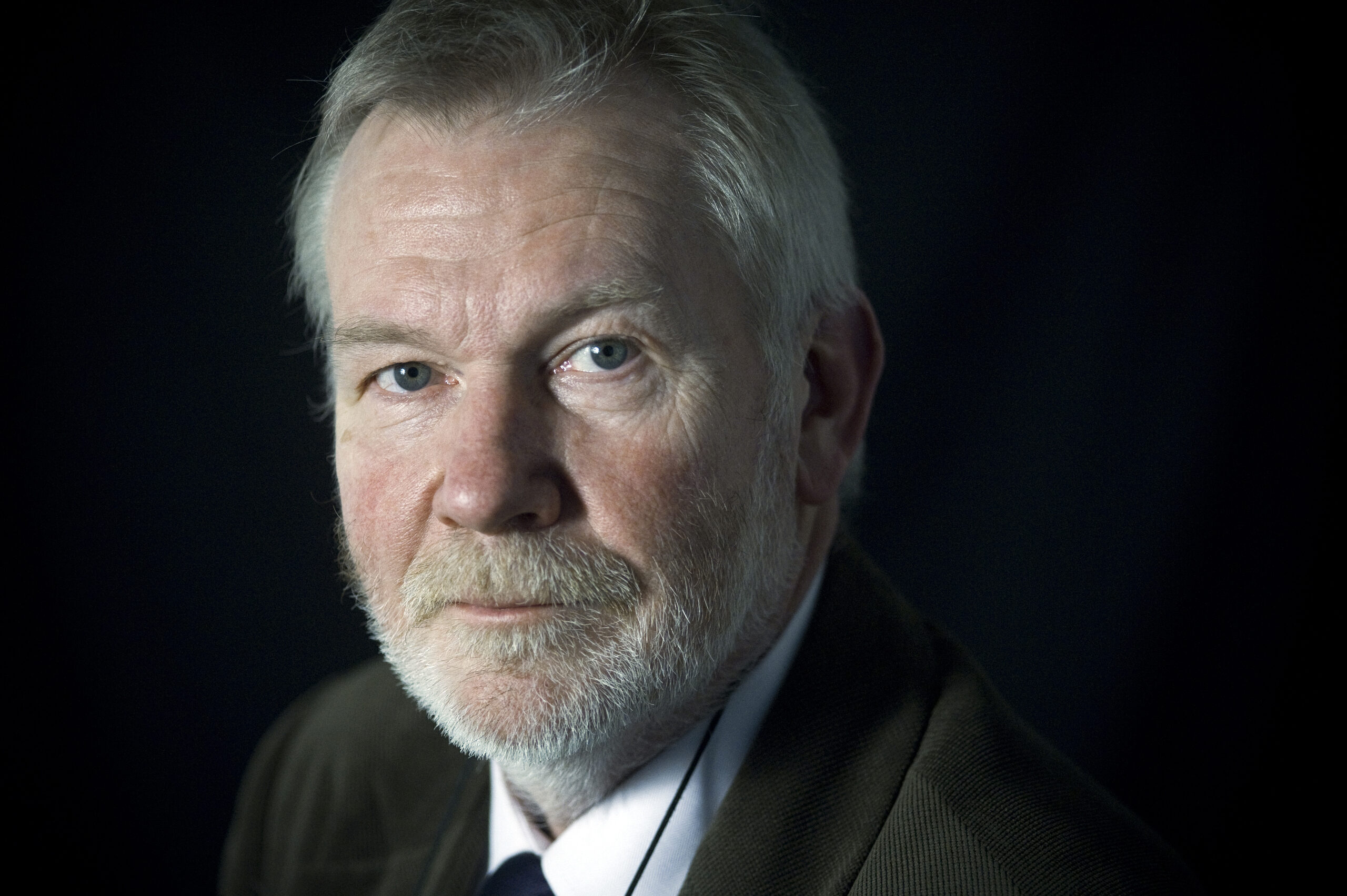
Starting next week, musicologist Jérôme Lejeune, director of the Ricercar label, launches a major four-part summer series for Total Baroque Magazine, dedicated to musical life in Renaissance Europe. As a prelude, he outlines the defining features of this vibrant century: the rise of polyphony, the circulation of works and musicians, and the decisive influence of Flemish composers. A fascinating foretaste of a musical journey not to be missed.
If you had to sum up the main characteristics of musical Europe during the Renaissance in just a few strokes, what would you say?
Jérôme Lejeune: The Renaissance is both a transitional and a highly creative period, of extraordinary richness. Of course, it is complex, but one can nevertheless identify a clear tipping point around the year 1500. By then, a number of musical elements had evolved sufficiently to mark the beginning of a new era: the era in which polyphony reaches a kind of stability, both in form and in structure. We see the clear emergence of four-part writing—soprano, alto, tenor, bass—which will remain the norm throughout the century.
It is at the heart of this period, which we call the Renaissance, that polyphony reaches its apex. It flourishes over the course of a full century, before being gradually dismantled by the emergence of new ideas—particularly that of accompanied monody—which begin appearing in vocal music in Florence at the end of the 16th century, initiating the birth of opera but also of solo instrumental music. That is where the transition to the Baroque begins, with a principal voice or instrument taking the spotlight, supported by a basso continuo. Broadly speaking, the Renaissance is a clearly defined century with a recognizable and coherent musical language.
Passionate about early music and want to read this subscriber-only article?
If you are not a subscriber, join the international Total Baroque community. Subscribe here from 5.00€.
I subscribe
If you are already a subscriber, sign in.
I sign in 
You must be logged in to be able to post comments.
Sign in