Ambassadors for REMA’s International Day of Early Music, the English musician Sarah Jeffery and the Dutch performer Lucie Horsch embody—between stages and screens—a new generation of recorder players capable of bringing early music to an international audience, far beyond the concert hall. One mobilizes a vast online community, while the other asserts her personality on the international stage. Two musicians who have each become, in their own way, new figures in the world of early music.
Trained in his native city of San Miguel de Tucumán in Argentina, then at the theatre school in Buenos Aires, countertenor Franco Fagioli now lives in Madrid. He speaks about his favourite opera houses, the unexpected discovery of his voice, and that persistent childhood dream: to become Mozart’s friend!
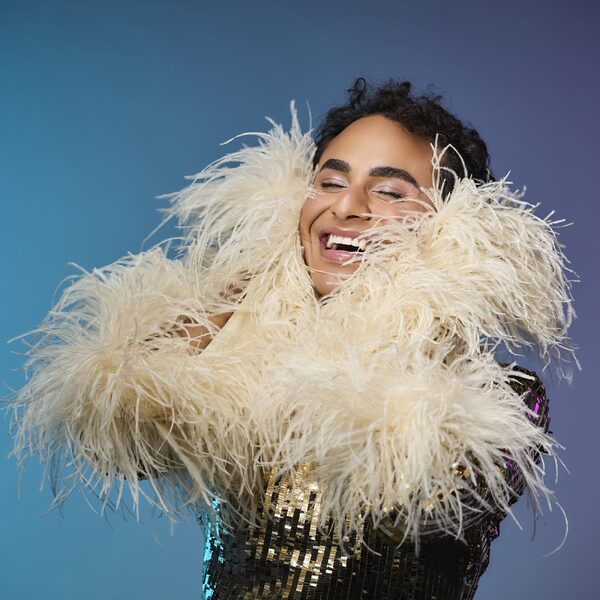
A sopranist since childhood, Bruno de Sá first stepped onto the stage at the age of two. He now tells us how, by defying gender stereotypes, he designs his own stage outfits and became the first man to sing many roles traditionally assigned to women.
Trained in Uruguay and then in Italy, countertenor Maximiliano Danta explores early music as both singer and multi-instrumentalist, while continuing, whenever possible, his commitment to working with underprivileged children.
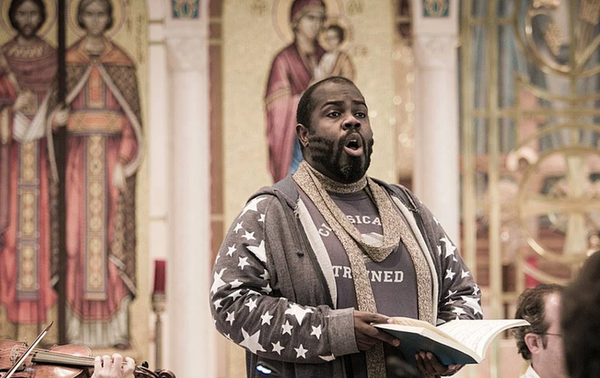
From Honduras to Europe’s leading stages, Dennis Orellana found his voice almost by chance, somewhere between trombone, choir, and symphonic metal. Fascinated by Bach and Handel and revealed by a visionary teacher, he recounts his meteoric journey—from his beginnings in Madrid to his discovery of Europe—and that overwhelming sensation of finally feeling “at home” on stage.
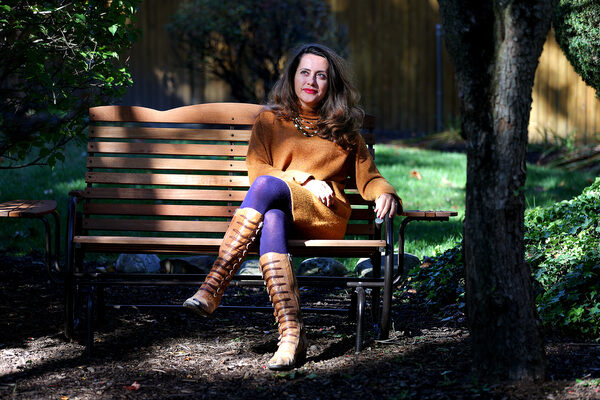
He performs on the world’s great opera and concert stages, while at the same time pursuing another career just as demanding: that of a physician. Here, the sopranist and countertenor Philipp Mathmann offers a deeply personal account of his daily life.
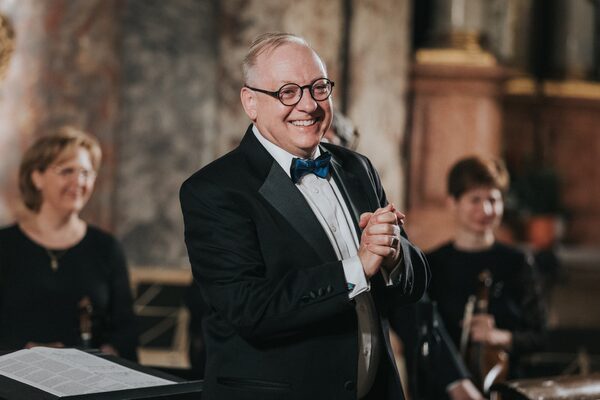
In Strasbourg, the Saint-Guillaume Choir has been resonating with the music of Bach for 140 years. Founded when Alsace was under German rule, it helped to rekindle Bach’s presence in France after 1918. Championed by Ernest, Fritz and Charles Munch, and courted by Honegger and Poulenc, it continues its journey today under the baton of 32-year-old conductor Étienne Ferrer.
At the helm of Cappella Mediterranea, Argentine conductor Leonardo García-Alarcón brings friends and partners into a sweeping saga that links libraries and stages, South America and Baroque Europe, record and video. And he insists: early music doesn’t exist. The moment it is performed, it becomes alive!