


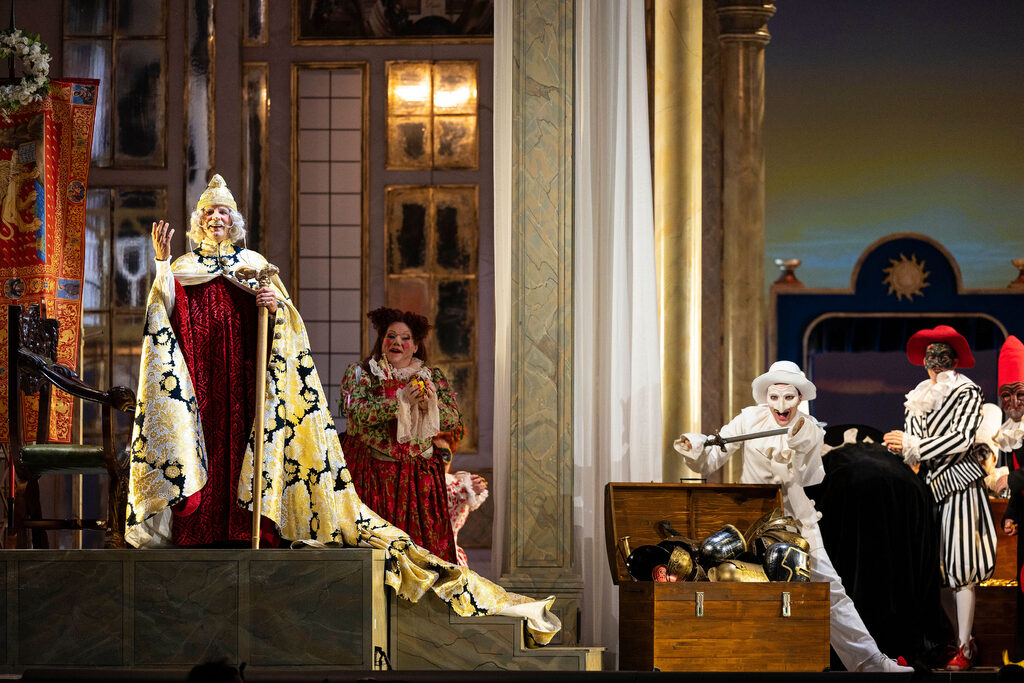
 In 1666, Cavalli premiered Pompeo Magno in Venice. However, a lack of public enthusiasm meant that it would be the last of his Venetian creations to be performed during his lifetime. In 2025, Max Emanuel Cenčić and Leonardo García-Alarcón revived this little-known work at the Bayreuth Baroque Festival. Watch the complete opera via livestream and learn about its history from Olivier Lexa.
  By
By 


Discover Pompeo Magno at the Bayreuth Baroque festival 2025 in full version (ArteTV) :
Author of around thirty operas, Francesco Cavalli, the most famous opera composer of his time, returned to his native city of Venice in 1662 after the failure of his Ercole amante at the court of Louis XIV in Versailles, where Lully and his ballets had stolen the show. Pompeo Magno is the third work in a series devoted to Ancient Rome. Olivier Lexa, stage director and author—notably of a biography of the composer published by Actes Sud—takes us back to this lavish creation, the last flourish of a career in decline.
Nicolò Minato and Ancient Rome
When Francesco Cavalli premiered Pompeo Magno at the Teatro Vendramin di San Salvatore on February 20, 1666, he had no idea that it would be the last opera of his to be performed in Venice during his lifetime. Having already written some thirty scores for the stage, he was the most prominent opera composer of his time. Pompeo Magno reflects his genius, his long experience in opera, and his desire to expand the vocal forces required on stage—a profusion of characters that makes the work difficult to stage and explains why it took three centuries for it to be revived.
Passionate about early music and want to read this subscriber-only article?
If you are not a subscriber, join the international Total Baroque community. Subscribe here from 5.00€.
I subscribe
If you are already a subscriber, sign in.
I sign in 


You must be logged in to be able to post comments.
Sign in