


 From Quebec to Spain, this horn player charts his course between teaching and curiosity, driven by a passion for historical instruments.
  By
By 


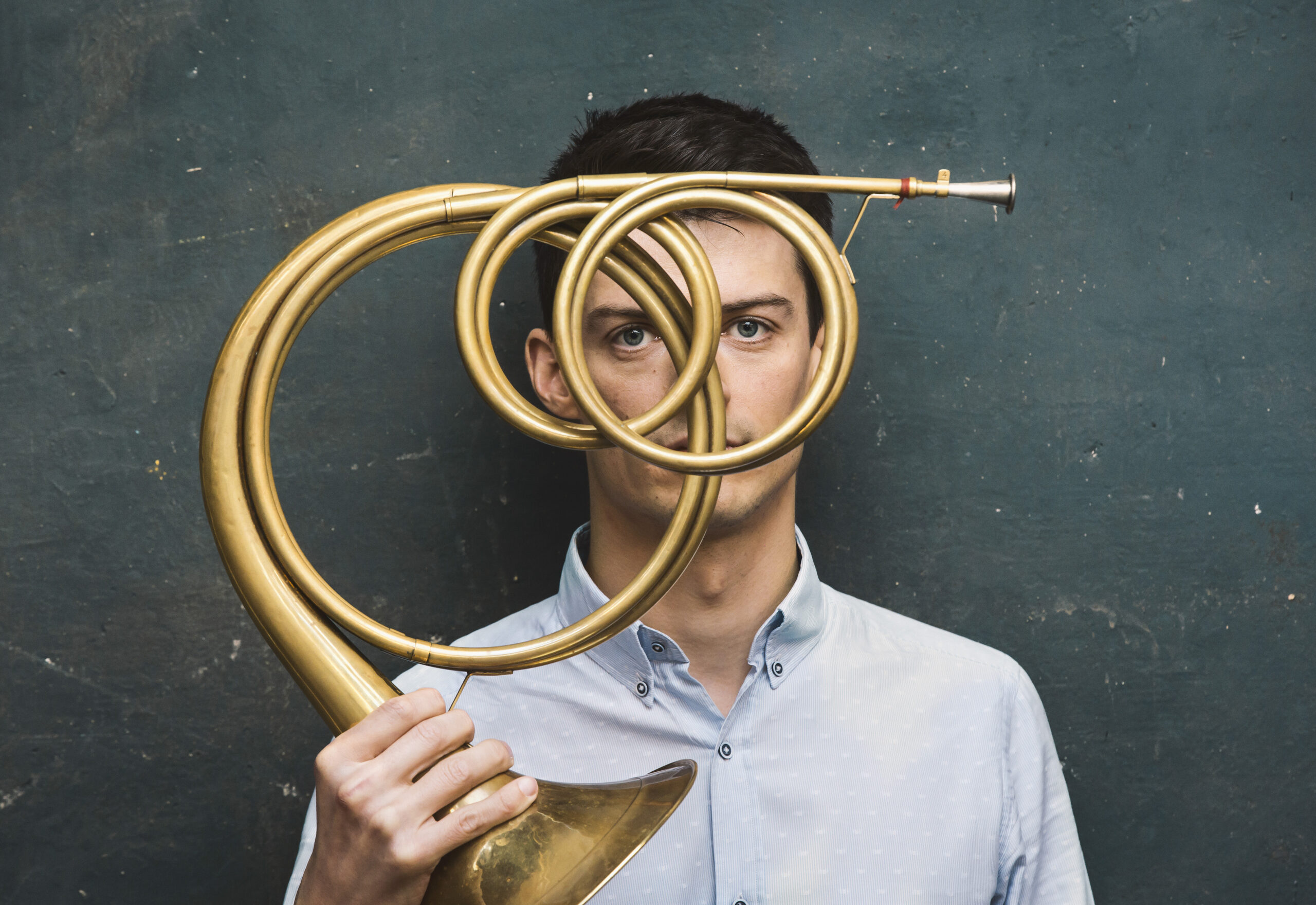
Born in Charlevoix, Quebec, and now based in Barcelona, Pierre-Antoine Tremblay leads a vibrant career as a soloist, chamber musician, orchestral performer, and teacher—one that takes him across the globe, deep into history, and into the world of rare instrument collecting.
The horn isn’t a very commonly played instrument. How did you come to it?
Pierre-Antoine Tremblay: I started playing piano at the age of five. In high school music class, I tried percussion for a while, but I never really found my musical groove. Then one day, the teacher mentioned that no one was playing the horn, so I volunteered. I knew nothing about the instrument but was up for the challenge. And just like that—love at first sight. I continued my musical studies with the horn, first in private lessons, then at the Conservatoire de Québec, and later at McGill University in Montreal. I never seriously considered doing anything else. Through the horn, I discovered a completely new sound world: the horn means ensemble music—friendship, collaboration, camaraderie. That really appealed to me, especially since playing piano is a very solitary pursuit. And learning the horn actually helped me rediscover the piano because I started hearing music differently: it added a whole new dimension. I began to hear the orchestration in my head and to play in a new way. Playing the piano, you essentially have an orchestra at your fingertips.
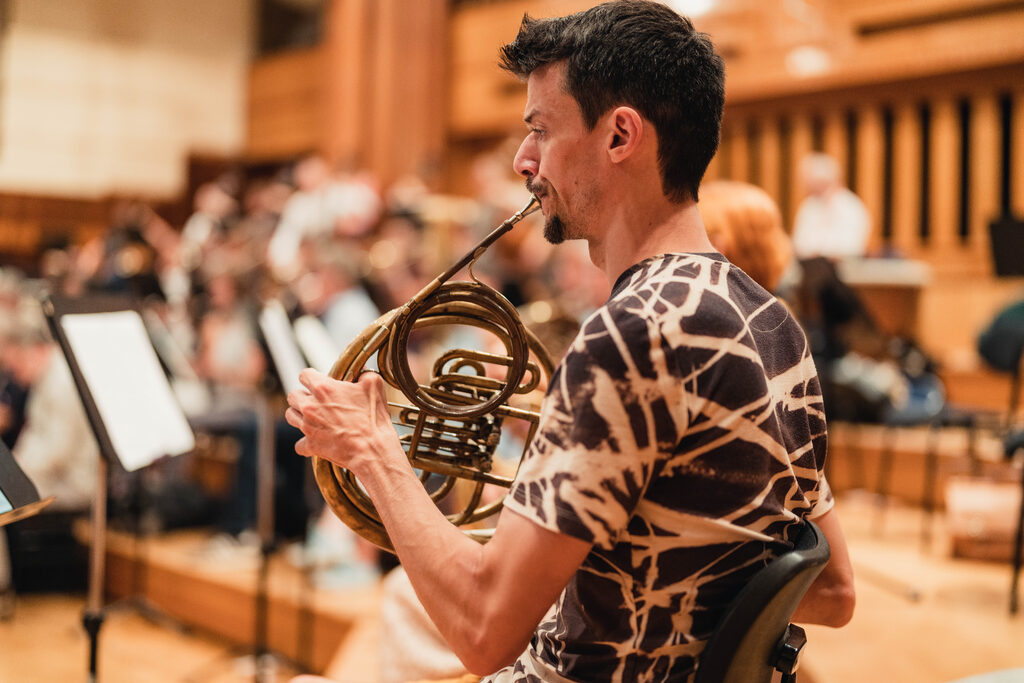
And why did you choose the natural horn? We know it’s a notoriously difficult instrument to master. What draws you to it?
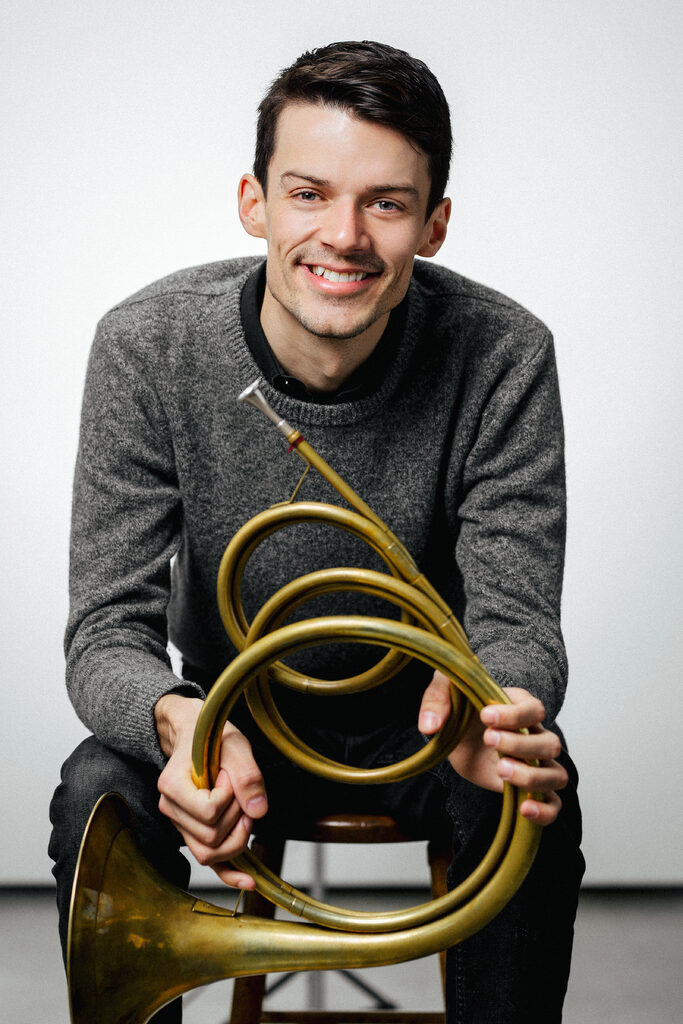
P-A T.: Julie-Anne Drolet, my teacher at the Conservatoire de Québec, once handed me an old horn—just as an exercise. “It’s important to try your instrument’s ancestor,” she told me, “to better understand the repertoire, to feel why the music is written the way it is.” And there it was: my second love-at-first-sight. You can’t separate early instruments from history—and I’ve always loved history. I suddenly realized that by playing the natural horn, I could immerse myself in the sound world of another era. For me, the horn isn’t just an instrument—it’s a time-travel machine.
Passionate about early music and want to read this subscriber-only article?
If you are not a subscriber, join the international Total Baroque community. Subscribe here from 5.00€.
I subscribe
If you are already a subscriber, sign in.
I sign in 

You must be logged in to be able to post comments.
Sign in