


 At the helm of Cappella Mediterranea, Argentine conductor Leonardo García-Alarcón brings friends and partners into a sweeping saga that links libraries and stages, South America and Baroque Europe, record and video. And he insists: early music doesn’t exist. The moment it is performed, it becomes alive!
  By
By 


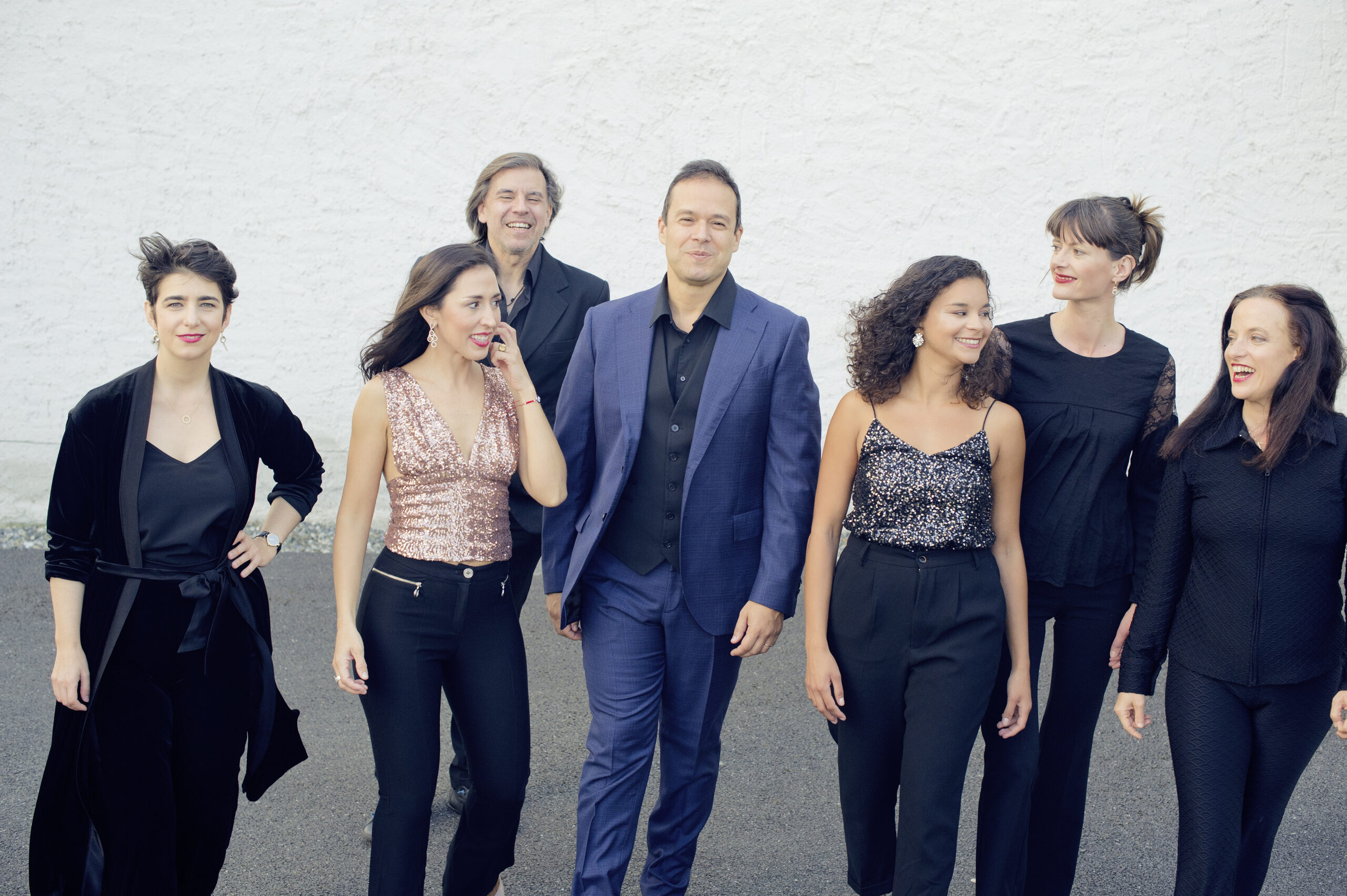
Twenty years on, and already a question: Was Cappella Mediterranea born in Lisbon in 2000, in Ambronay in 2005, or on that September evening in 2010 when Falvetti’s oratorio Il Diluvio universale was filmed at the last minute and subsequently gave the ensemble international visibility? In twenty years, a group has taken shape, and an ethos has emerged: inhabit manuscripts without mummifying them, embrace a Latin vitality, put the continuo at the service of flesh-and-blood theatre, and hold fast to the conviction that early music doesn’t exist: once it is played, it is of the present. Leonardo García-Alarcón, founder of Cappella Mediterranea, together with his long-time associates, soprano Mariana Flores and tenor Valerio Contaldo, here unspool a saga that connects libraries and stages, South America and Baroque Europe, record and video, fidelity and invention.
At the origins: Lisbon, Ambronay, a providential deluge
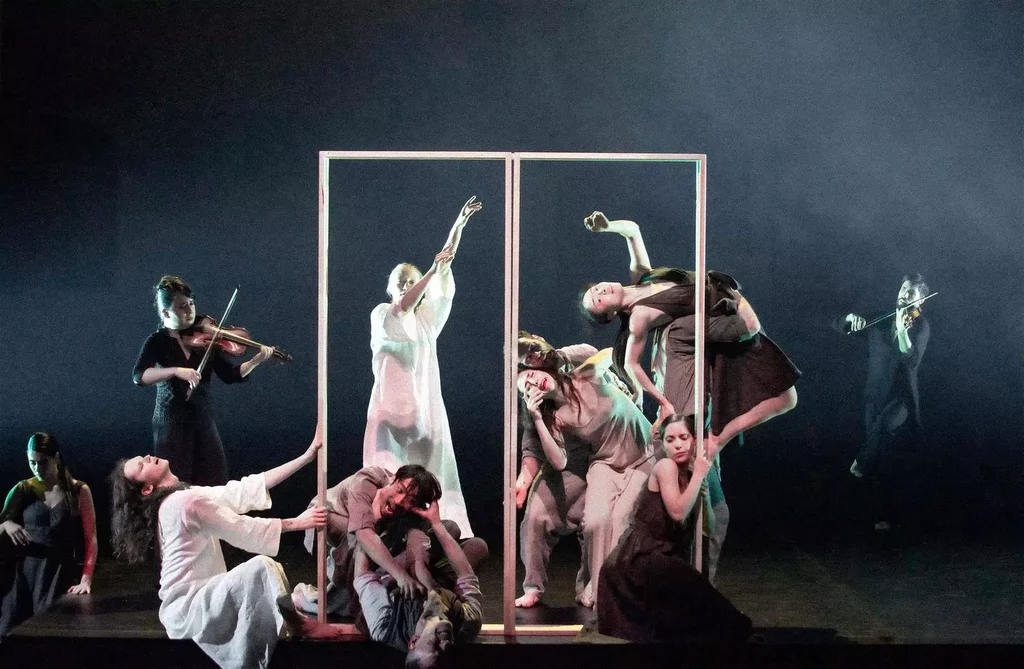
Chronology has its charm, but at Cappella Mediterranea it looks more like a crossroads. “In reality, Cappella Mediterranea was born from a concert in Lisbon in 2000,” Leonardo recounts. “I had to replace a program by Gabriel Garrido at the Gulbenkian Foundation: his ensemble Elyma couldn’t make it, and the invention of Cappella happened there.” The true founding moment, however, comes only in 2005, when Alain Brunet, director of the Ambronay Festival, offered a residency accompanied by two to three recordings per year: “We date the birth to that point, because the ensemble became structured, because suddenly a backbone appeared: schedule, administration, artistic strategy.” And then 2010: the oratorio Il Diluvio universale, filmed in extremis during a concert at the abbey church of Ambronay and which would become an international calling card. “Sometimes the artistic sparks something in the soul and the ecosystem follows!”
The Ambronay Festival and Meeting Centre provided not only stages and microphones; the abbey also served as a workshop. Leonardo first forged himself there as an assistant at academies, immersed himself in Monteverdi at the same time, and there learned, he says, “how to create a company,” gradually discovering how an ensemble becomes a professional structure: “Isabelle Battioni, then head of the Ambronay label, was decisive on the strategic and musicological side. Ambronay taught us to choose, to write, to speak.” A partnership that would last nearly ten years, time enough for the horizon to widen: Paris Opera, Aix Festival, Grand Théâtre de Genève… without extinguishing that initial workshop spirit.
The meeting: a conductor, two voices, a troupe
Cappella is twenty years old. On this September afternoon, Leonardo arrives with his two long-standing soloists at the Margravial Opera House, where the ensemble is “orchestra in residence” at the Bayreuth Baroque Festival. An oddity? Rather an obvious choice. “Valerio Contaldo is our Orfeo; a voice that has inspired me since the first time I heard him,” confides Leonardo. “On the female side, Mariana Flores is the muse of Monteverdi and Cavalli. She was singing Francesco Cavalli when our son Francisco was in her belly.”

Passionate about early music and want to read this subscriber-only article?
If you are not a subscriber, join the international Total Baroque community. Subscribe here from 5.00€.
I subscribe
If you are already a subscriber, sign in.
I sign in 

You must be logged in to be able to post comments.
Sign in