


 Born in 1738 to a singer and a stage designer, Anna Bon led an unusually nomadic life across the musical Europe of the eighteenth century alongside her parents. From the Venetian Ospedale della Pietà to the Esterházy court, she moved on to the vibrant musical circles of the Tsarina’s court in St Petersburg and that of the Margravine of Bayreuth.
  By Rashid-S. Pegah


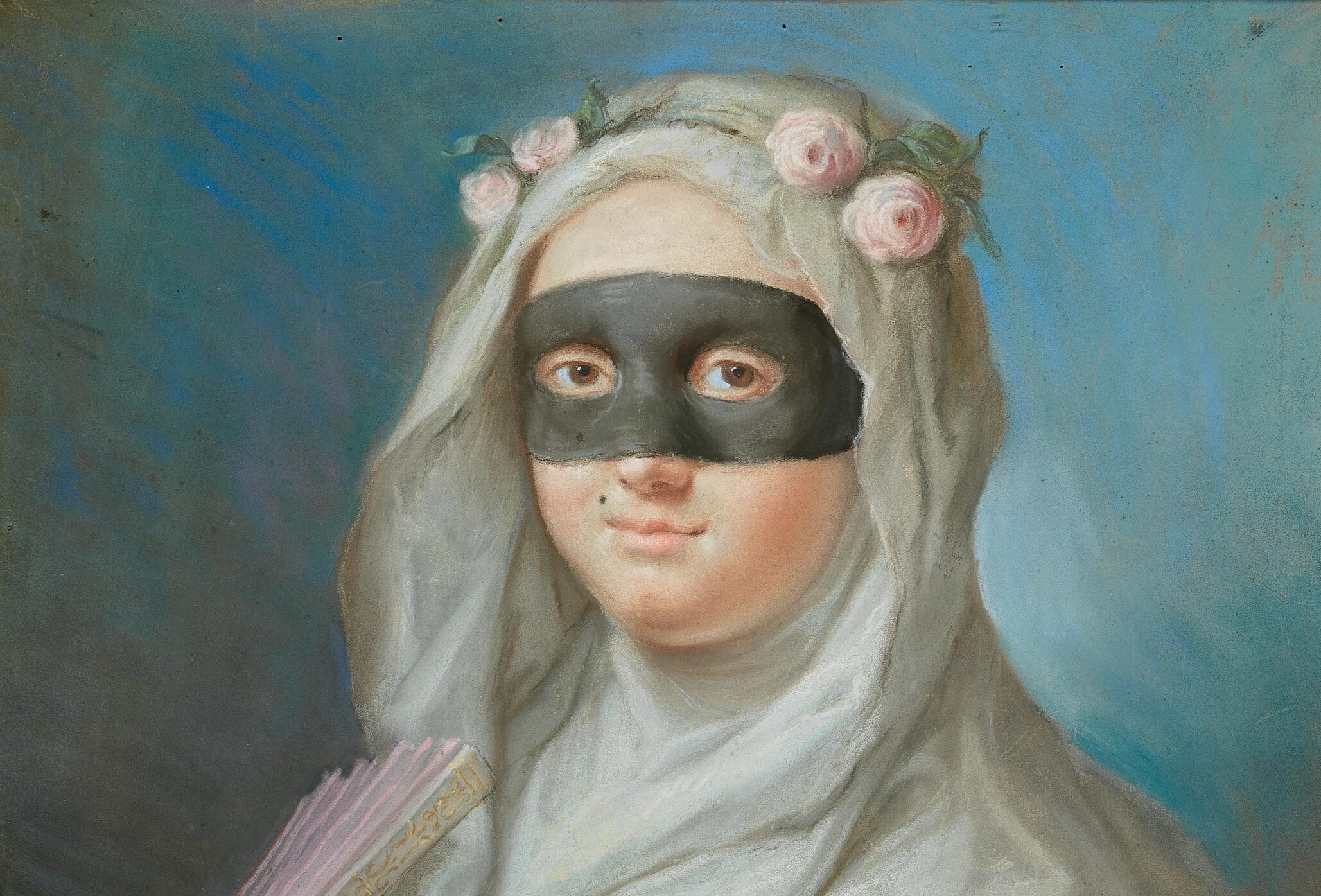
From Venice’s Ospedale della Pietà to imperial Russia, Anna Bon (1738–1767) grew up in a family devoted to opera, swept along by the whirlwind of Europe’s theatres. A harpsichordist and composer, she published her first sonatas in Bayreuth before joining the Esterházy court, where her path crossed that of the young Joseph Haydn. Here is a look into a life shaped by travels across eighteenth-century Europe—one that still retains its share of mystery today.
Andantino: a daughter in Venice; her parents in Russia
If Anna Bon was destined for a musical life, her birth carries the most auspicious signs. Her mother, the singer Rosa Maria Ruvinetti-Bon, gave birth to her on Sunday 10 August 1738 in Bologna. The father was named Girolamo Bon, and the child was baptised Anna Giovanna Lucia. Her godmother, Anna Guglielmini, was a renowned singer, as was the child’s mother, famous for her comic roles—especially intermezzi—and seldom appearing in serious repertoire. We do not know when or where Rosa Ruvinetti married Girolamo Bon (c. 1710–1773?). Perhaps in 1732, during a stay in Venice? In any case, in his native city, Girolamo was already working as a scenographer and theatre painter, collaborating with two of his maternal uncles to provide well-crafted sets for musical dramas, while cultivating poetry and music for his own pleasure. The couple was therefore perfectly prepared to join a troupe of Italian musicians, stagehands, dancers, and actors whom Tsarina Anna Ivanovna, passionate about opera, invited to St Petersburg in the spring of 1735. There, Girolamo designed sets for operas by Johann Adolf Hasse and Francesco Domenico Araja, the tsarina’s Kapellmeister, as well as for the intermezzi in which his wife Rosa—known as “Rosina”—performed weekly with her favourite stage partner, the baritone Domenico Cricchi. Three years later, the couple returned to Bologna as the tsarina’s health and finances declined, but they set off again for Russia at the end of summer 1740.
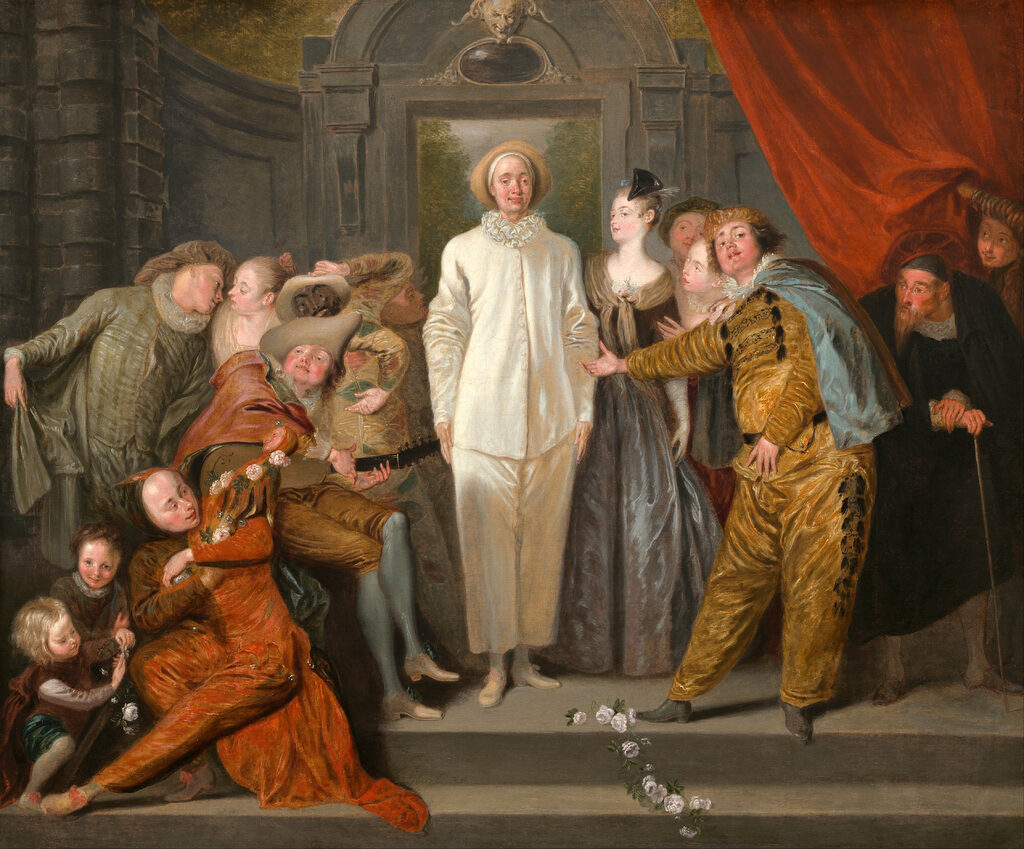
Their daughter, Anna Giovanna Lucia, was likely entrusted to relatives in Venice. At four years old, she entered the Ospedale grande della Pietà, one of the Serenissima’s four major institutions, where young girls received a complete musical education—in singing as well as in numerous instruments. On March 1, 1743, Anna—nicknamed “Anneta”—was placed under the tutelage of Candida della Violla. She played and taught the viol (which at the Pietà could mean the cello), but also the chalumeau; she was also a singer. Anna thus learned a great deal from her, even though she later emphasised: “[…] mentre essendo il mio Instrumento il Cembalo […]” (“[…] my instrument being the harpsichord”).

Passionate about early music and want to read this subscriber-only article?
If you are not a subscriber, join the international Total Baroque community. Subscribe here from 5.00€.
I subscribe
If you are already a subscriber, sign in.
I sign in 
You must be logged in to be able to post comments.
Sign in