


 Soprano Maïlys de Villoutreys kept a daily diary of Pygmalion’s four-concert tour of Mexico, conducted by Raphaël Pichon, last October. She shares the second instalment of her journal, from the Art Deco splendour of the Palacio de Bellas Artes to the vibrant colours of Guanajuato.
 By Maïlys de Villoutreys
 12 minutes


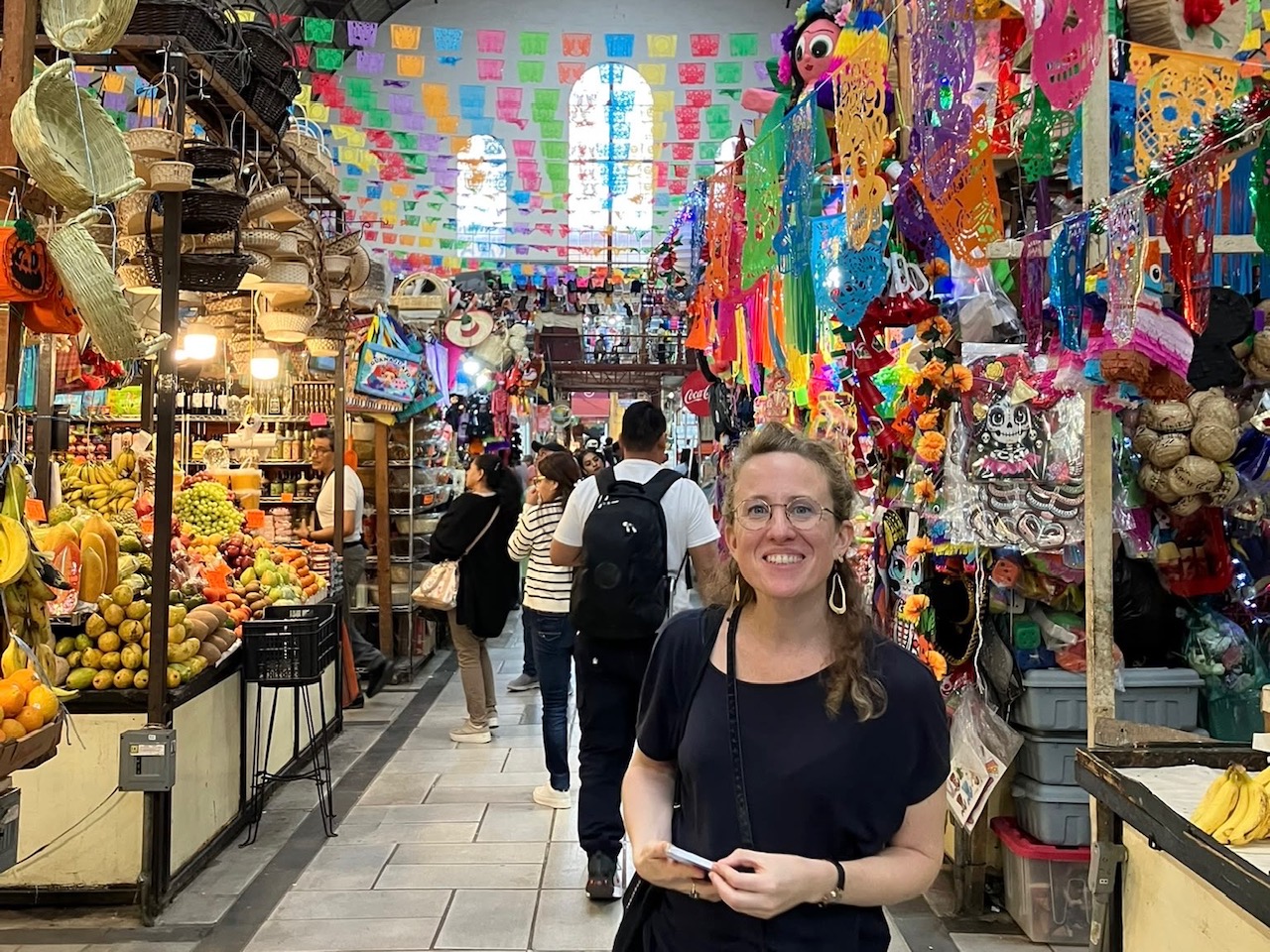
The Mexican tour of Pygmalion, directed by Raphaël Pichon, continues for soprano Maïlys de Villoutreys, who is performing with the ensemble in four concerts featuring the program Welt, gute Nacht. From Mexico City to León, via Guanajuato, she observes how the same music is transformed by very different venues, acoustics, and audiences. Between concerts come long hours on the road, discoveries of the country, and the shared experience of touring, which gradually strengthens the bonds within the group, allowing them to recreate, night after night, the collective sound that defines Pygmalion.
Friday, October 9 – First Concert at the Palacio de Bellas Artes
After another night disrupted by jet lag, I decided to take it easy at the hotel until early afternoon. But I couldn’t resist the urge to explore a little more of Mexico City before our first concert!
So, at around 1:30 p.m., I set off alone on foot toward the Palacio de Bellas Artes, where we were due to meet for our 4 p.m. sound check. I really enjoy these solitary walks through the cities we visit. They allow me to explore at my own pace, to stop, observe, and let myself be surprised.
The weather was rather gray, with a few showers, but the streets were bursting with life. The smells are extraordinary, especially those of grilled corn and freshly made tortillas, which Mexicans enjoy on the street with all kinds of sauces.
Then I arrived at the Palacio de Bellas Artes. What a building! This magnificent hall, inaugurated in 1934, boasts absolutely stunning Art Deco interiors. Even the areas reserved for performers have retained their original decoration. And we were in for a lovely surprise: unlike the usual arrangement, where solo singers often have individual dressing rooms while instrumentalists share, here every instrumentalist had their own dressing room, with their name on the door. We singers were grouped together in larger dressing rooms.
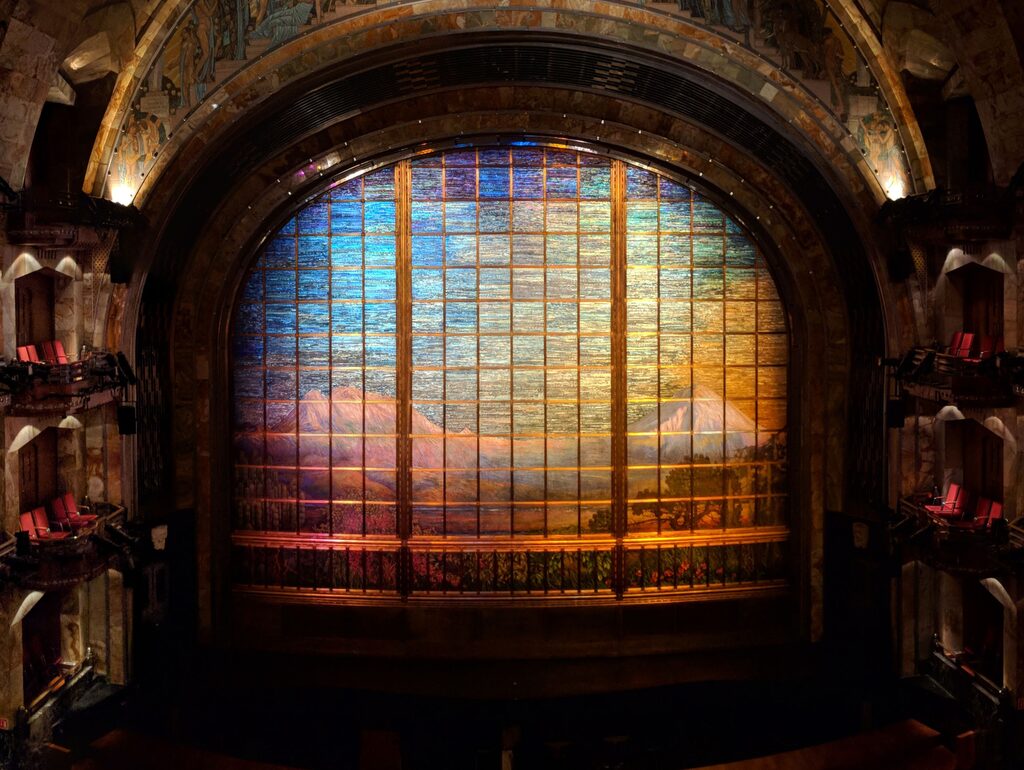
But the most beautiful discovery awaited us onstage. As the technicians were finishing the setup, an enormous glass curtain descended behind us. Made by the Tiffany studios in New York, this iridescent curtain depicts Mexican volcanoes. With its mountain silhouettes, it almost recalls certain Japanese prints of Mount Fuji. It is a spectacular backdrop that gives the stage a truly distinctive atmosphere.

Passionate about early music and want to read this subscriber-only article?
If you are not a subscriber, join the international Total Baroque community. Subscribe here from 5.00€.
I subscribe
If you are already a subscriber, sign in.
I sign in 

You must be logged in to be able to post comments.
Sign in