


 In mid-October, the ensemble Pygmalion, conducted by Raphaël Pichon, embarked on a four-concert tour of Mexico. Soprano Maïlys de Villoutreys kept a daily diary of the adventure. She shares her account with us, beginning with an eleven-hour flight, an eight-hour time difference, and instruments traveling in the passenger cabin rather than the hold.
 By Maïlys de Villoutreys
 11 minutes



In mid-October, soprano Maïlys de Villoutreys flew to Mexico with Pygmalion and conductor Raphaël Pichon for a four-concert tour featuring Welt, gute Nacht, a program devoted to seventeenth-century German music and Bach. Having performed with Pygmalion for eighteen years, she recounts the departure, the challenges of traveling with instruments, the time difference, the vocal adjustments following a series of performances of Monteverdi’s Vespers, and the first rehearsals in Mexico City. Together, these details reveal how an ensemble regains its musical balance while, from the very first hours, getting accustomed to a country, rhythms, and customs that are still unfamiliar.
October 7 – Every Cello Needs Its Own Plane Ticket!
This is it! We’re finally setting off on our four-concert tour of Mexico! It’s my first time there, and I’m obviously eager to discover the country. I arrived in Paris last night from Morlaix, in Brittany, where I live. Today, we’re meeting at the airport at 1 p.m. There are about a dozen of us traveling together. Other colleagues are already in Mexico: some took the opportunity to arrive a few days early and explore the country.
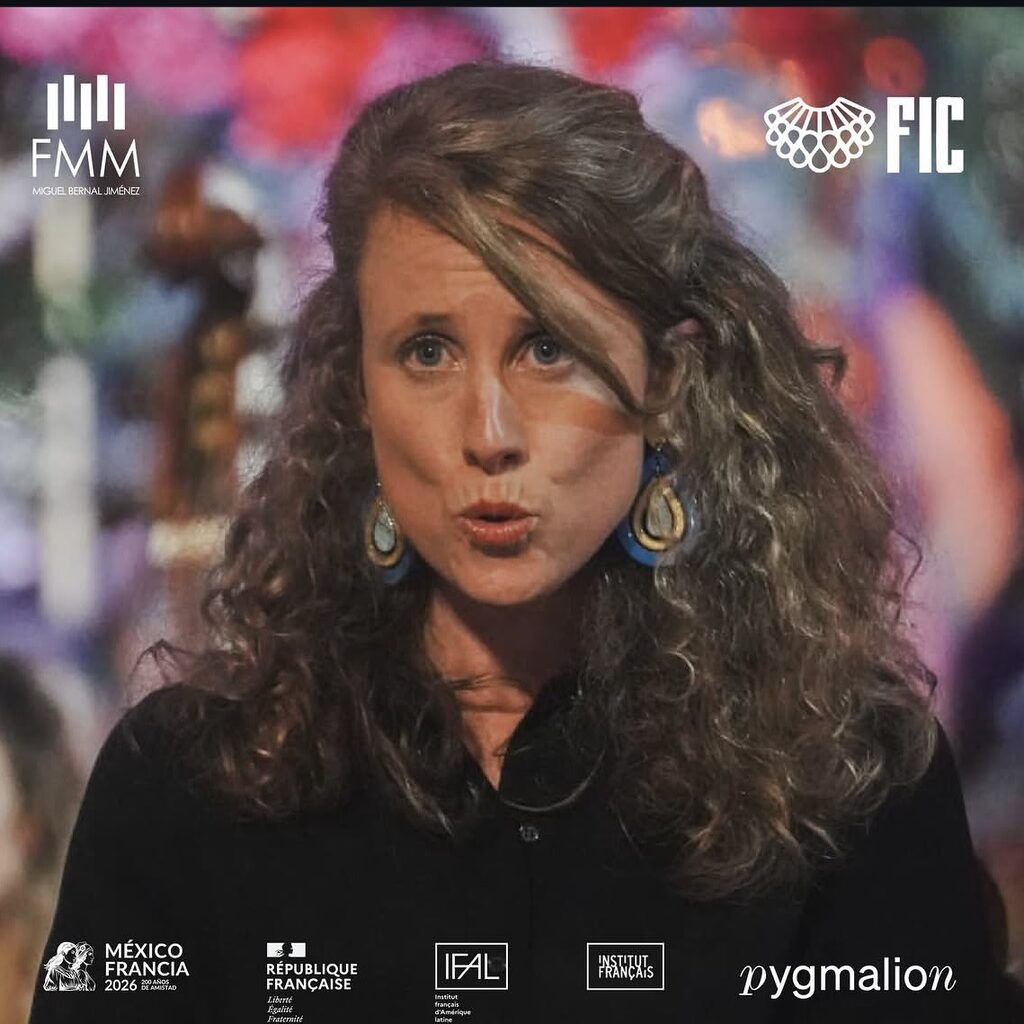
Traveling with an ensemble like Pygmalion requires an impressive amount of organization. There are the instrumentalists, the singers, the luggage, the instruments… And, above all, those precious traveling companions: Antoine Touche’s cello, Garance Boizot’s and Julien Léonard’s viols, and Thibaut Roussel’s theorbo. Each instrument gets its own seat on the plane! Yes, really, one ticket for the musician and another for the instrument. You can easily imagine the logistics and the cost. Going through security and boarding is always stressful for a musician traveling with an instrument. Some staff members demand that instruments be taken out of their cases and handled, or simply refuse to let them through. What follows is a real battle of wills between the musician, who is within their rights and is expected at concerts, and the airline, which can arbitrarily decide not to allow the instrument on board. Fortunately, this time, there were no problems on our Paris–Mexico City flight.
In that respect, being a singer has one undeniable advantage: my instrument travels with me, with no extra baggage fees. But it has its own demands. Eleven hours in the very dry, confined air of an airplane is hardly ideal for the vocal cords. So everyone has their little tricks: drinking plenty of water, wearing a mask to avoid catching a virus, using a personal humidifier… You have to take care of your instrument, even when you’re not carrying it in a case!
From Monteverdi to Bach: Different Music… Different Pitch
We know the program we’ll be performing very well: Welt, gute Nacht is devoted to seventeenth-century German music, to the composers who preceded Johann Sebastian Bach and helped shape his musical world. It ends with the deeply moving Cantata BWV 150, one of Johann Sebastian Bach’s most beautiful.
We’ll be performing with a small group: 10 singers and 13 instrumentalists. We’ve already performed the program many times, recorded it last February, and performed it in Australia with a different lineup. Even so, we always need to immerse ourselves in the music again, rediscover its colours and its vocal qualities.
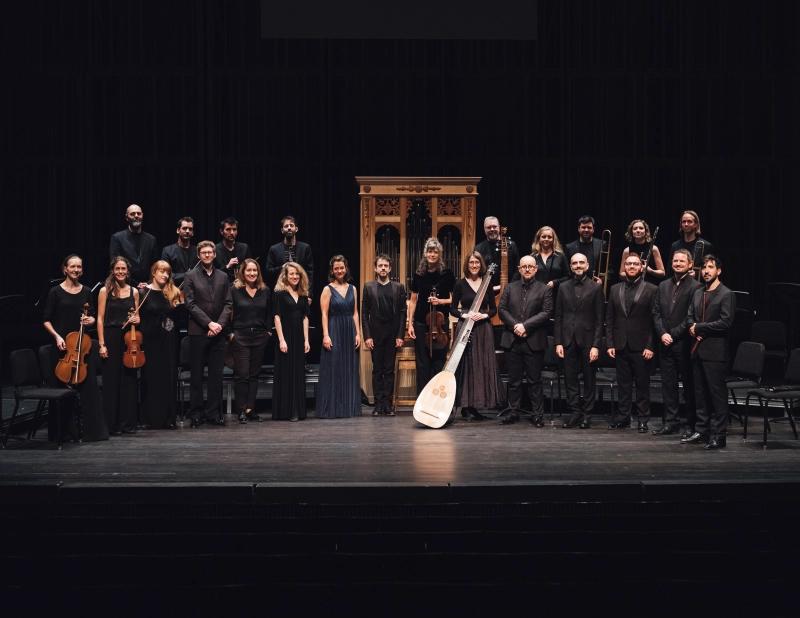
Just before this tour, I sang Monteverdi’s Vespers several times. The musical world is relatively similar, with its alternation between solos and small ensembles, but the physical sensations are not quite the same. One notable difference is the pitch: we were at 465 Hz for Monteverdi, compared with 440 Hz here.
It may seem like a minor detail, but for a singer, it matters. Our instrument is our body. We have to give it time to find its bearings again, to respond properly, and to adapt to a different way of singing. So, over the past few days, I’ve mainly tried to immerse myself in the music again and get some rest. With the journey and the time difference ahead, it’s best to set off in top form!

Passionate about early music and want to read this subscriber-only article?
If you are not a subscriber, join the international Total Baroque community. Subscribe here from 5.00€.
I subscribe
If you are already a subscriber, sign in.
I sign in 


You must be logged in to be able to post comments.
Sign in