


 Born 400 years ago, Christina of Sweden was 18 when she ascended the throne in Stockholm in 1644. The daughter of Gustavus Adolphus, the Lion of the North, she shared neither her father’s taste for war nor his passion for the lute. Yet she would turn Sweden into a cultural beacon. Over ten years of rule and thirty-five years of exile, she transformed music into a political language. French ballets, Italian cantatas, operas in Rome: Christina danced with the muses before reigning over them.
 By
 9 minutes


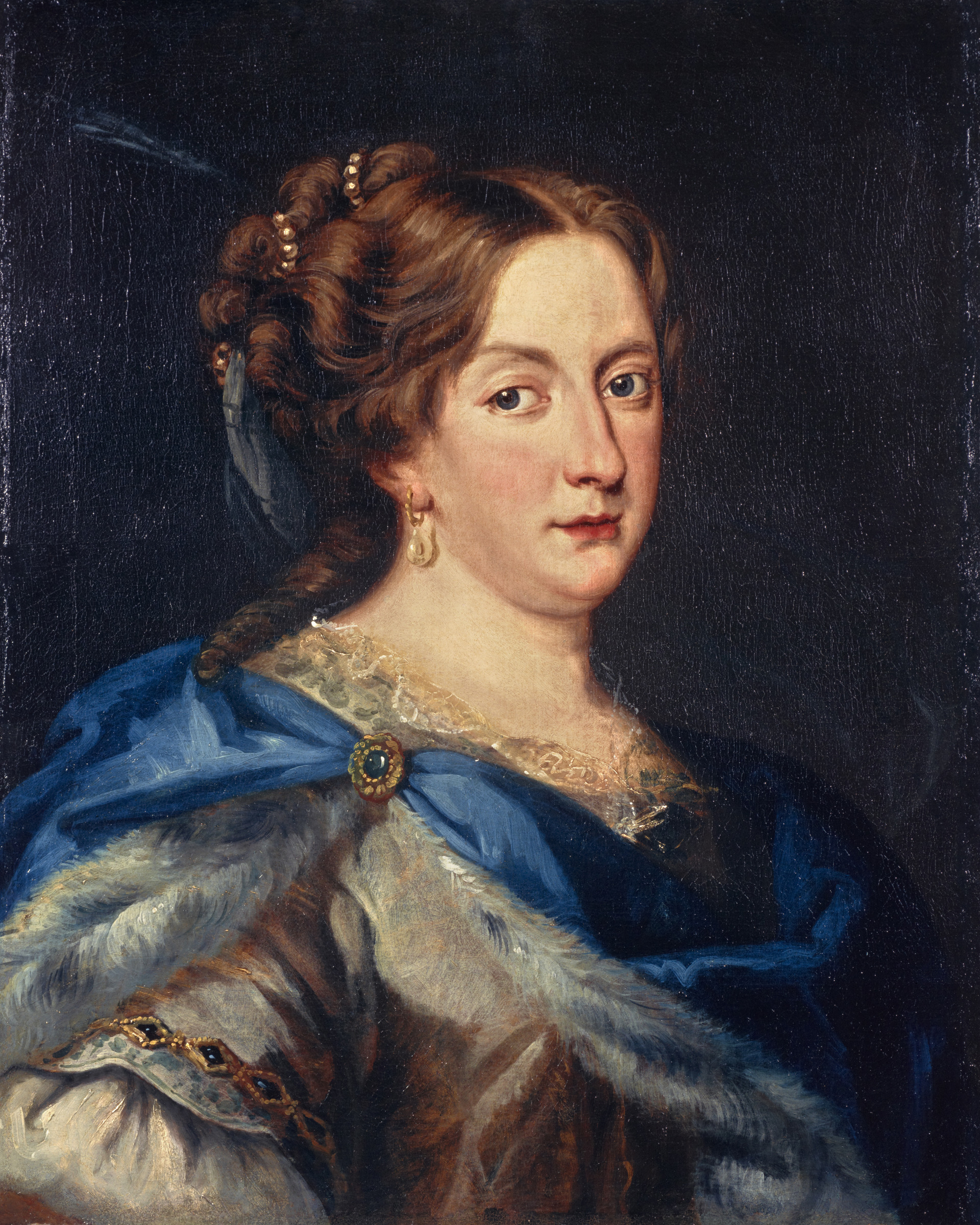
She gave up her throne at 27, abandoned the Protestant faith of her ancestors, and crossed Europe to settle in Rome. Christina of Sweden (1626–1689) certainly lived a life unlike that of any other queen! Raised to govern a warrior kingdom, this fiercely independent sovereign transformed her passion for culture into a new form of power. Over ten years of rule and thirty-five years of exile, she championed composers such as Carissimi, Cesti, Stradella, and Corelli, encouraged musical theatre, and championed the presence of female singers on Rome’s public stages. Four hundred years after her birth, we revisit the extraordinary life of a queen who relinquished her crown, but never her ambition to reign.
A Child Queen

Passionate about early music and want to read this subscriber-only article?
If you are not a subscriber, join the international Total Baroque community. Subscribe here from 5.00€.
I subscribe
If you are already a subscriber, sign in.
I sign in 




You must be logged in to be able to post comments.
Sign in