


 At the imperial court of Vienna, Maria Landini-Conti and Regina Schoonjans were the two most celebrated sopranos of the early eighteenth century. Rivals on stage and in the affections of composers and audiences alike, they embodied two distinct styles that soon became locked in competition. It was a matter of glory, rivalry, and power.
  By
By 


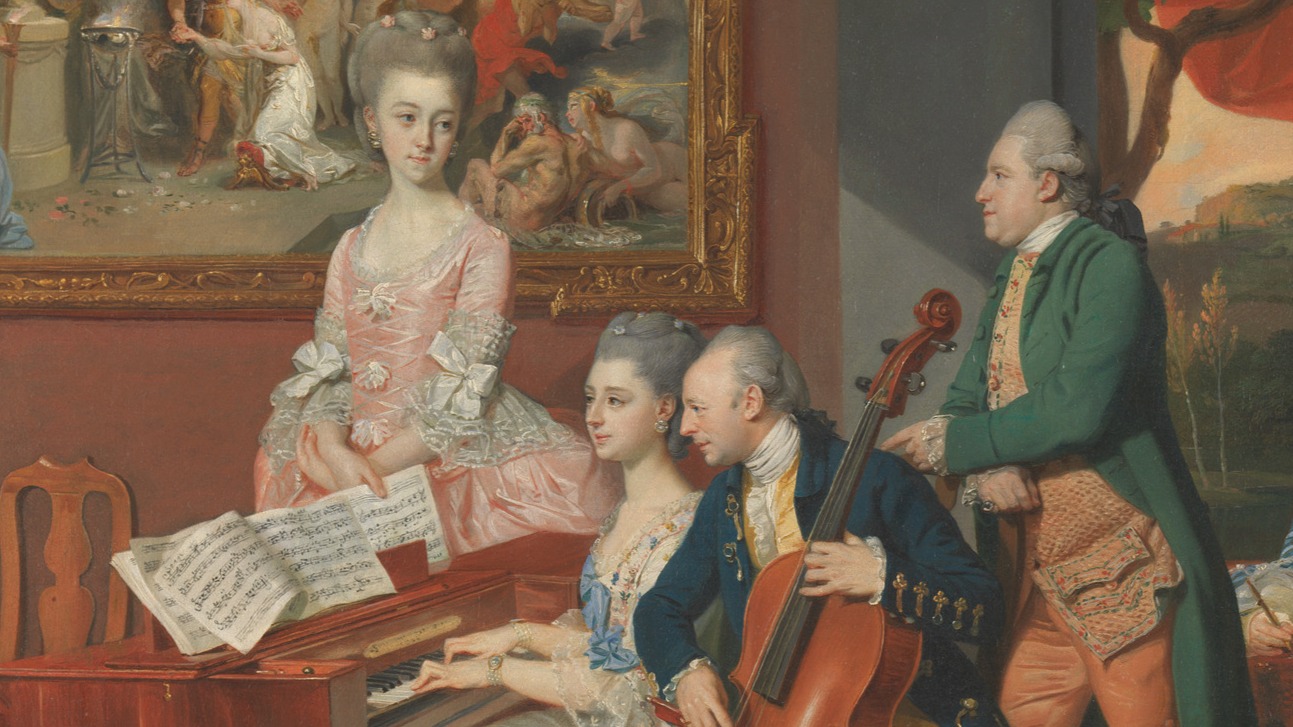
Before the waltz, eighteenth-century Vienna was one of the principal centres of baroque opera. Home to one of the most prestigious companies in Europe, the imperial court became the setting for a major confrontation between two of the most talented lyric artists of their time: Maria Landini-Conti and Regina Schoonjans. These muses of composers as illustrious as Bononcini, Caldara, Fux, and Conti left their mark on the entire body of Viennese operatic writing. Through a curious oversight, the importance and imperial musical splendour of the baroque era remain little explored. Long before Mozart, Haydn, or Beethoven, Vienna and the Habsburg court held a place as preeminent as Versailles in the realm of musical creation serving an institutional political discourse. Much more than King Louis XIV, the emperors of the Holy Roman Empire took part in writing and organizing performances, adding prestige and talent to their own image of power.
Maria Landini: The Incomparable
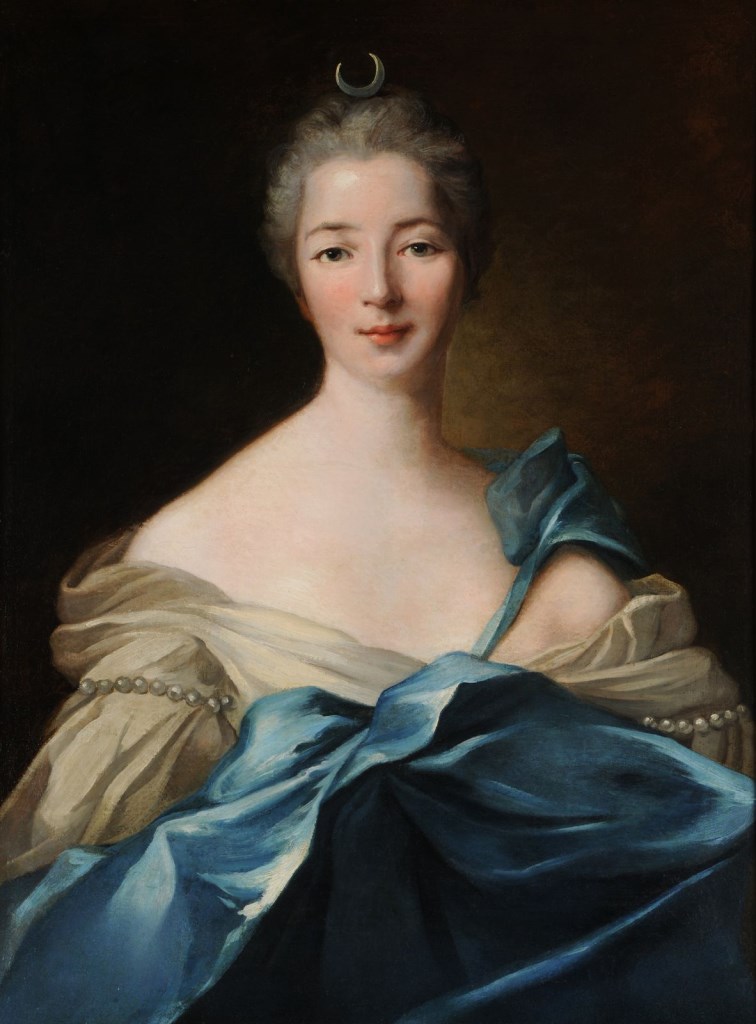
Maria Landini is said to have been born in the 1660s or ’70s. She was reportedly the natural daughter of Orazio del Monte, scion of the illustrious Florentine family descended from the mathematician Guidobaldo del Monte, an intimate friend of Torquato Tasso. Maria Landini and her sisters, owing to their mother’s position as lady-in-waiting, are said to have entered the court of Christina of Sweden at the Palazzo Corsini in Rome. The sovereign is believed to have taken Maria under her wing and even encouraged her to pursue singing. Her training at the highly musical court of Christina of Sweden and her likely participation in serenades and concerts by composers of the queen’s circle give some idea of her technical and vocal level. Upon Queen Christina’s death in 1689, Maria Landini appears in Hanover, at the brilliant court of Sophia, Electress of Hanover. In the electress’s palaces, she met her first husband, none other than the French actor Augustin-Pierre Patissier, known as Châteauneuf, father of the celebrated Mademoiselle Duclos of the Comédie-Française. She married him and remained in Hanover until 1696, where she sang several roles in operas by Agostino Steffani, excerpts of which were recorded in 2012 by Cecilia Bartoli on her album Mission, devoted to Steffani’s operas (Decca).
Maria Landini left Hanover in 1696. After several stops in Italy, including Venice, Landini was engaged by the Habsburg opera in Vienna beginning in 1711. In light of the roles she created, her voice possessed a fine range that enabled her to sustain dramatic parts, such as the Sposa in the oratorio Sant’Alessio by Camilla de Rossi, or to portray sacrificial nymphs such as Euridice or Dafne in Fux.

Passionate about early music and want to read this subscriber-only article?
If you are not a subscriber, join the international Total Baroque community. Subscribe here from 5.00€.
I subscribe
If you are already a subscriber, sign in.
I sign in 

You must be logged in to be able to post comments.
Sign in