


 Since 2017, the Kretinga Festival has become a summer highlight in Lithuania. The 2025 edition celebrates the 500th anniversary of Palestrina, three of whose students held prominent positions at the Vasa court in Vilnius.
  By
By 


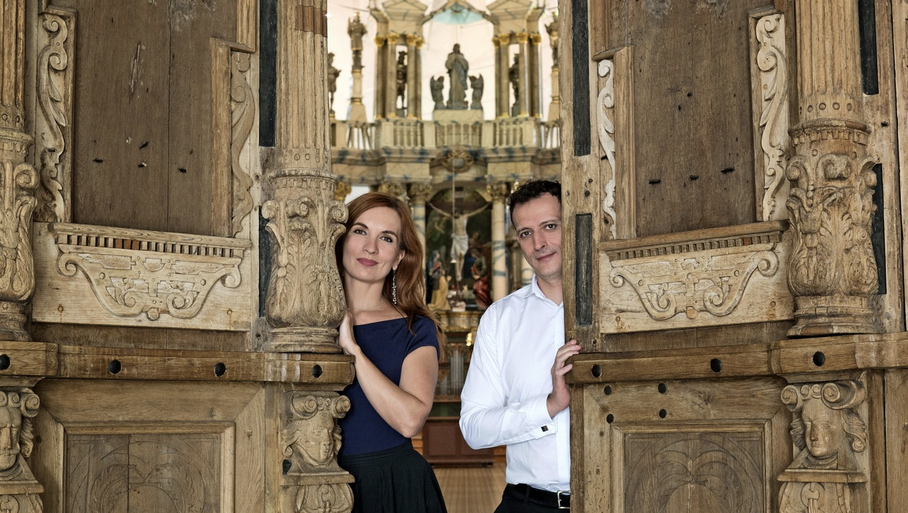
Founded in 2017 around an exceptional 17th-century organ rediscovered in the Franciscan Monastery of Kretinga, the festival has become a major early music event in the Baltic region. Initiated by cornettist and recorder player Rodrigo Calveyra and mezzo-soprano Renata Dubinskaitė, the festival brings to life the forgotten musical heritage of Lithuania’s Vasa court, combining artistic excellence, historical research, and accessibility—all concerts are free. In 2025, the festival will mark the 500th anniversary of Palestrina with a series of outstanding performances featuring Vox Luminis, Marc Mauillon, Christopher Lowrey, and Josué Meléndez, among others.
A Region in Search of Ancient Voices
In the early music landscape of Northeastern Europe, the Baltic countries occupy a complex position. Latvia, with its well-established festivals—particularly in Riga—and ensembles active for the past two or three decades, plays a leading role. Estonia, too, has made its mark thanks to groups like Hortus Musicus and various heritage projects in Haapsalu and Tallinn, affirming itself as fertile ground for the rediscovery of early music.
Lithuania, by contrast, has long lagged behind, lacking any formal structure for early music training. Musicians drawn to this repertoire must go abroad to study—and many remain abroad to pursue their careers. It was in this context that the Kretinga Early Music Festival emerged in 2017, founded by Rodrigo Calveyra and Renata Dubinskaitė.

Passionate about early music and want to read this subscriber-only article?
If you are not a subscriber, join the international Total Baroque community. Subscribe here from 5.00€.
I subscribe
If you are already a subscriber, sign in.
I sign in 

You must be logged in to be able to post comments.
Sign in