


 True to Rocamadour’s history as a major medieval pilgrimage site, the French festival has, for the past two decades, been dedicated to sharing and celebrating the sacred repertoire.
  By
By 


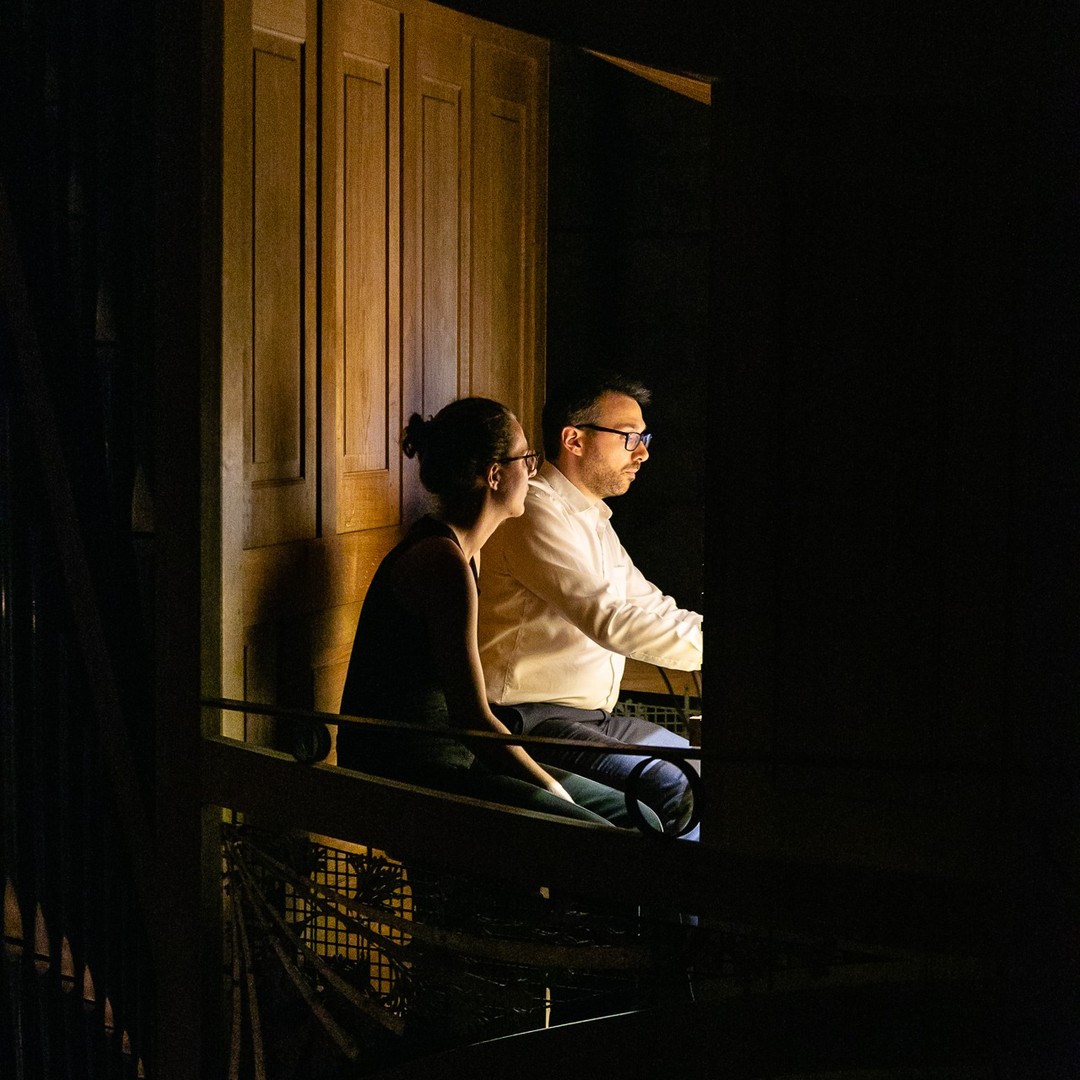
Located in the Dordogne Valley in France, surrounded by prehistoric caves including the famous Lascaux, the village of Rocamadour has attracted pilgrims since the Middle Ages, drawn by the revered Black Madonna. This village of fewer than 1,000 inhabitants now hosts each summer one of France’s most respected sacred music events: the Rocamadour Festival, celebrating its 20th anniversary this year. Emmeran Rollin, the festival’s general and artistic director, outlines the vision behind it.
The festival was born from the legacy of composer Francis Poulenc, who experienced a mystical revelation during a visit to Rocamadour in 1935—a moment that inspired his Litanies à la Vierge noire and a body of sacred works. Naturally rooted in sacred music, the festival inhabits iconic locations such as the Basilique Saint-Sauveur—which houses the famous Black Madonna statue—and the Alzou Valley. “Our ambition is to create a cultural institution in a rural setting—a space where young talent meets great international artists. While the programming has grown more diverse, sacred music remains at the heart of our mission,” affirms Rollin.

Passionate about early music and want to read this subscriber-only article?
If you are not a subscriber, join the international Total Baroque community. Subscribe here from 5.00€.
I subscribe
If you are already a subscriber, sign in.
I sign in 

You must be logged in to be able to post comments.
Sign in