


 The festival, now celebrating its 40th edition, remains true to its passion for early music—steering clear of trends and marketing gimmicks…
  By
By 


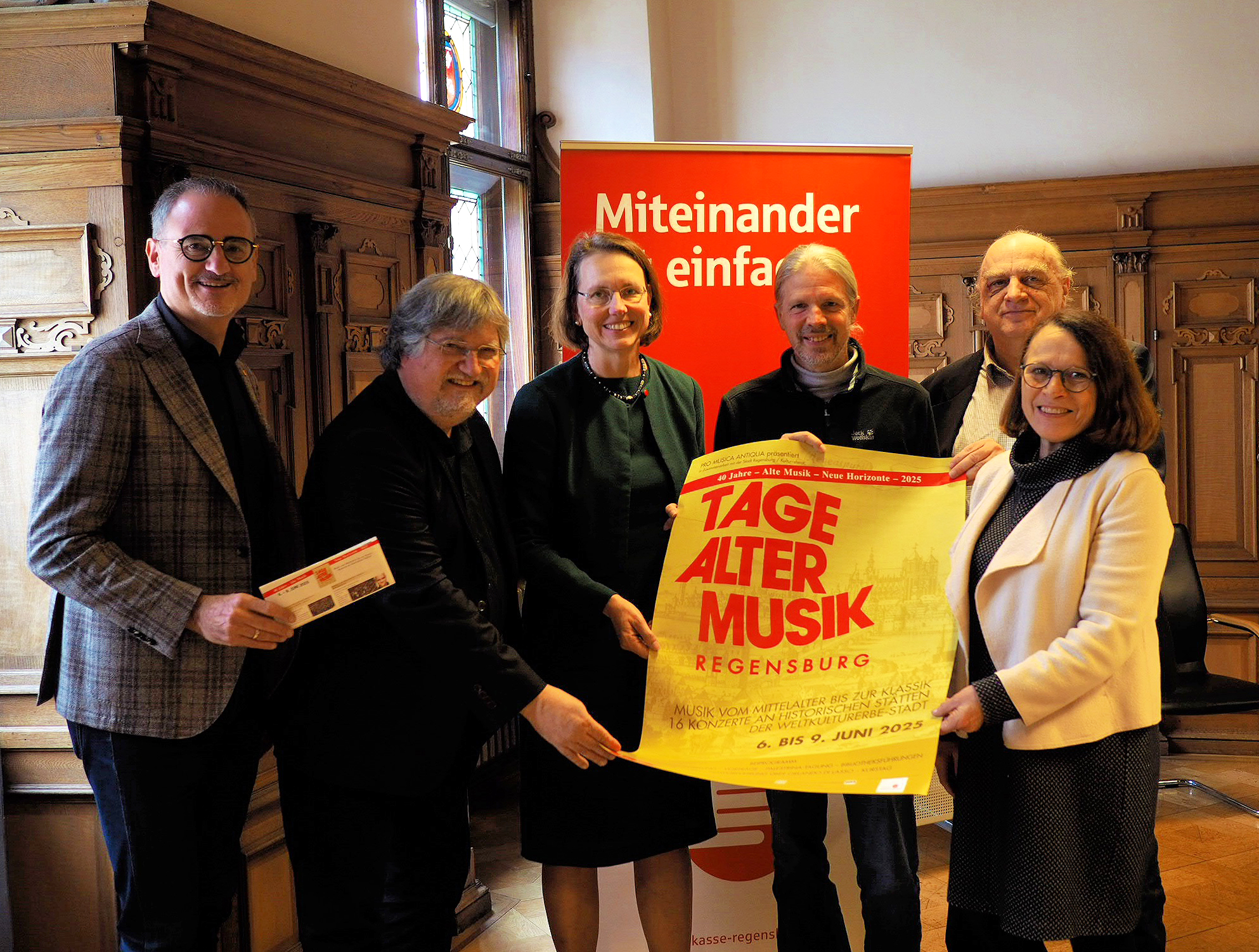
From June 6 to 9, the Regensburg Festival in Germany marks its 40th anniversary with a programme that reads like a manifesto against the commercialisation of early music—even if it means demanding a great deal from its audience… A conversation with the two founders and artistic directors of the festival.
For an early music festival in Germany, forty years is an almost biblical age. Tage Alter Musik Regensburg is marking this anniversary from June 6 to 9 this year with an especially lavish edition: from long-established names such as the Regensburger Domspatzen with La Cetra Basel, the Italian ensemble Zefiro, Austria’s Ars Antiqua Austria with the St. Florianer Sängerknaben, or France’s Le Concert Spirituel, to newer names on the early music scene like La Néréide, Into The Winds, or The Tunelanders, the birthday edition offers a program of unparalleled diversity and interest.
The Regensburg festival doesn’t rely on mainstream programming, big names, lavish opera productions, or cross-over formats in an attempt to convert segments of the population wholly uninterested in high culture with laboriously constructed mergers of hip-hop and Baroque music. The only concession that leans slightly towards the cross-over corner might be concerts held in an art gallery or a brewery, featuring dance or tavern music from earlier epochs—but even these, of course, are presented with scholarly rigour.
Visitors to Regensburg are likewise spared open-air concerts with fireworks, or hyper-intellectually inflated themes for each year’s edition—those that, upon reading the program notes, leave the audience somewhat perplexed, trying to figure out what aesthetic added value might possibly emerge from linking music of past centuries with, say, a current social issue, and how that might enhance their enjoyment.
Instead, over the past four decades, music enthusiasts here have likely witnessed more German or European premieres of new ensembles than anywhere else in the country. Admittedly, this hasn’t always gone off without a hitch in terms of quality: not every ensemble presented—hailing from more or less distant corners of the world—has suited the ears of audiences accustomed to the polish of studio recordings. Yet even such a concert is, of course, not without its own kind of insight.
Concerts are presented in various historic venues—a concept that sends ambitious listeners crisscrossing the picturesque old town of Regensburg over the long Pentecost weekend. The concerts usually sell out well before the festival begins, and guests travel from far and wide to experience a kind of idealism that has resisted the mainstream approach to this day.
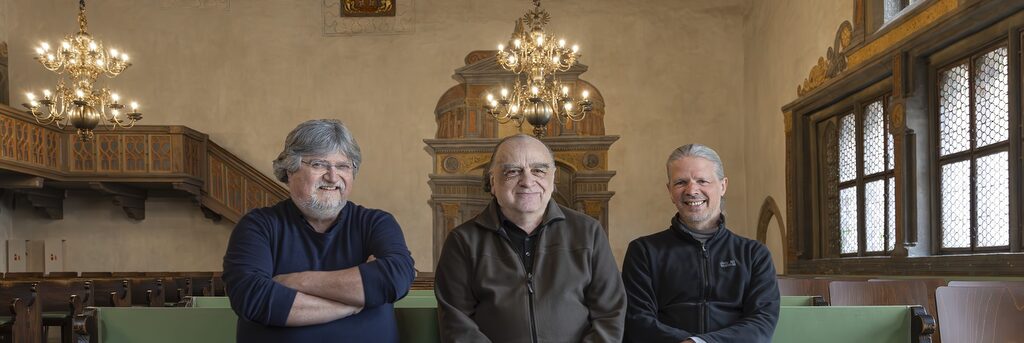
We spoke with Ludwig Hartmann and Stephan Schmid, the two founders and artistic directors of the festival, about why and how this success story has evolved.
Passionate about early music and want to read this subscriber-only article?
If you are not a subscriber, join the international Total Baroque community. Subscribe here from 5.00€.
I subscribe
If you are already a subscriber, sign in.
I sign in 

You must be logged in to be able to post comments.
Sign in